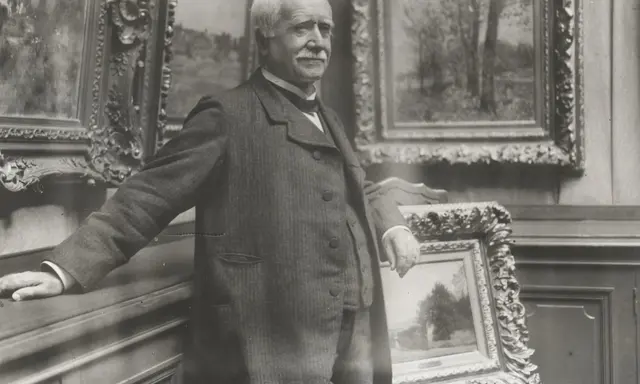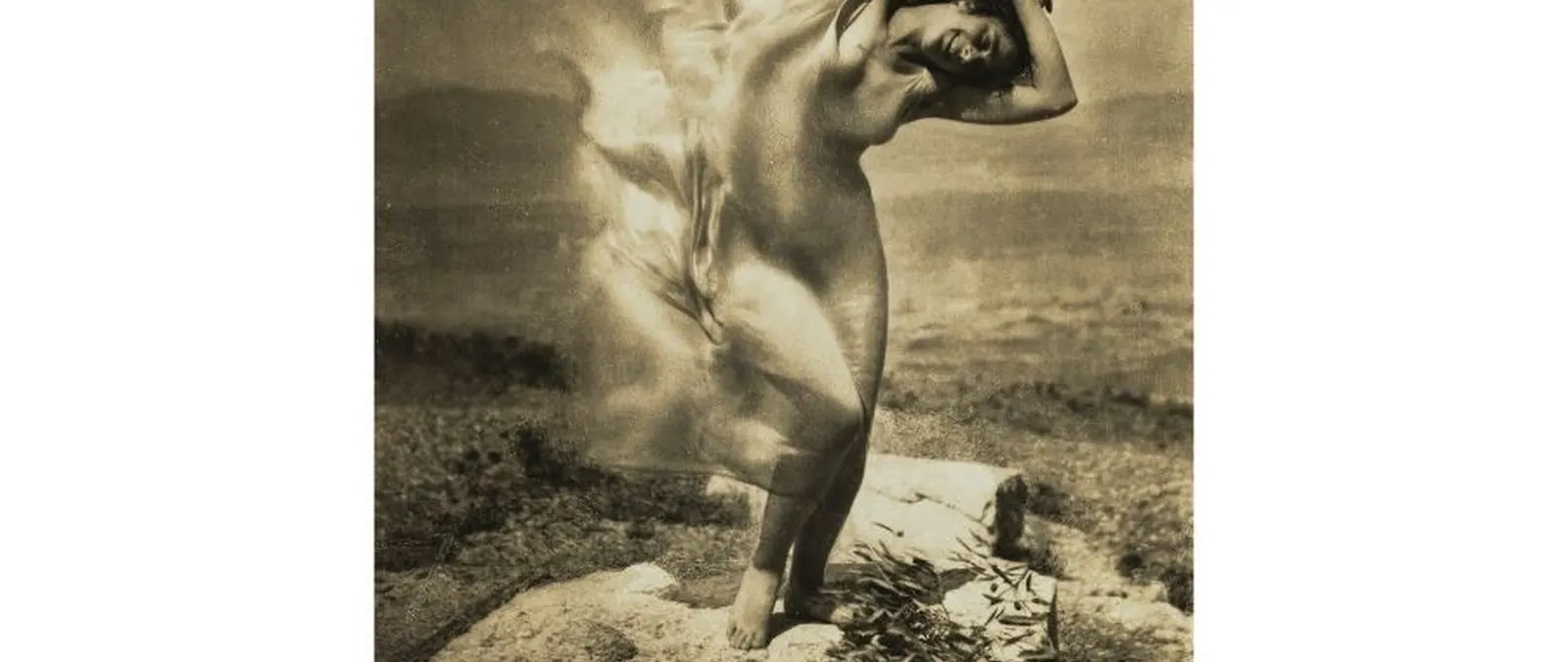
Christie’s will offer nearly 200 photographs from the personal collection of interior designer Vicente Wolf in New York, dividing the group between a live auction and an online sale in October. The collection was assembled over almost half a century and reflects the eye of a designer who treated photography as an essential part of how interiors acquire atmosphere and meaning.
Artists represented include Edward Steichen, Dorothea Lange, Alexander Rodchenko, Constantin Brâncusi, Man Ray, Lee Miller, Diane Arbus, André Kertész, Edward Weston, Francesca Woodman and Richard Avedon. The range moves across modernism, portraiture, documentary photography and more experimental approaches.
Interior design shaped the way Wolf collected
Wolf was internationally known for residential, hospitality and commercial interiors, and he approached photography with the same sensitivity to scale, contrast and visual rhythm. Art in an interior changes according to the furniture, light and architecture around it, something a professional designer experiences constantly.
This may help explain the breadth of the collection. Rather than building around one school, Wolf selected photographs that could create different emotional effects within space, from highly graphic modernist compositions to intimate portraits and documentary images.
Edward Steichen provides one of the collection’s major early works
Wind Fire – Thérèse Duncan on the Acropolis from 1921 is among the highlighted photographs. Steichen’s work demonstrates the transition between pictorialism and modern photography, combining atmospheric surface with increasingly direct formal composition.
Works of this period can be especially sensitive to print quality and condition. Collectors therefore pay close attention to date of printing, paper, tonal range and provenance, distinctions that can dramatically affect both scholarship and value.
A rare version of Migrant Mother adds documentary weight
Wolf collected an early print of Dorothea Lange’s Migrant Mother in which a detail later removed from the image remains visible. That difference appealed to him because it brought the photograph closer to the moment of original production and made a familiar image feel newly specific.
For photography collectors, variant prints can be important because the medium allows multiple physical versions of one negative. Small differences in cropping, retouching, paper or printing date can create significant distinctions between examples.
The collection spans icons and less obvious discoveries
Major names such as Avedon, Man Ray and Arbus sit beside photographers whose markets may be less familiar to general buyers. This balance reflects a collection built through personal interest rather than a checklist of auction records.
That is often where single-owner sales become most rewarding. Buyers can follow one collector’s eye into areas they might not otherwise explore, using the better-known works as reference points rather than the only reason to engage.
New York gives the collection a strong design and photography audience
The live sale takes place on October 22 with the online component running from October 8 to 22. A public exhibition from October 16 allows collectors to inspect the works before bidding and to see how the group functions together.
Once dispersed, the photographs will enter new private and institutional collections. Christie’s catalogue will preserve the connection to Wolf, documenting how one of America’s best-known interior designers built a photographic collection through decades of sustained looking.