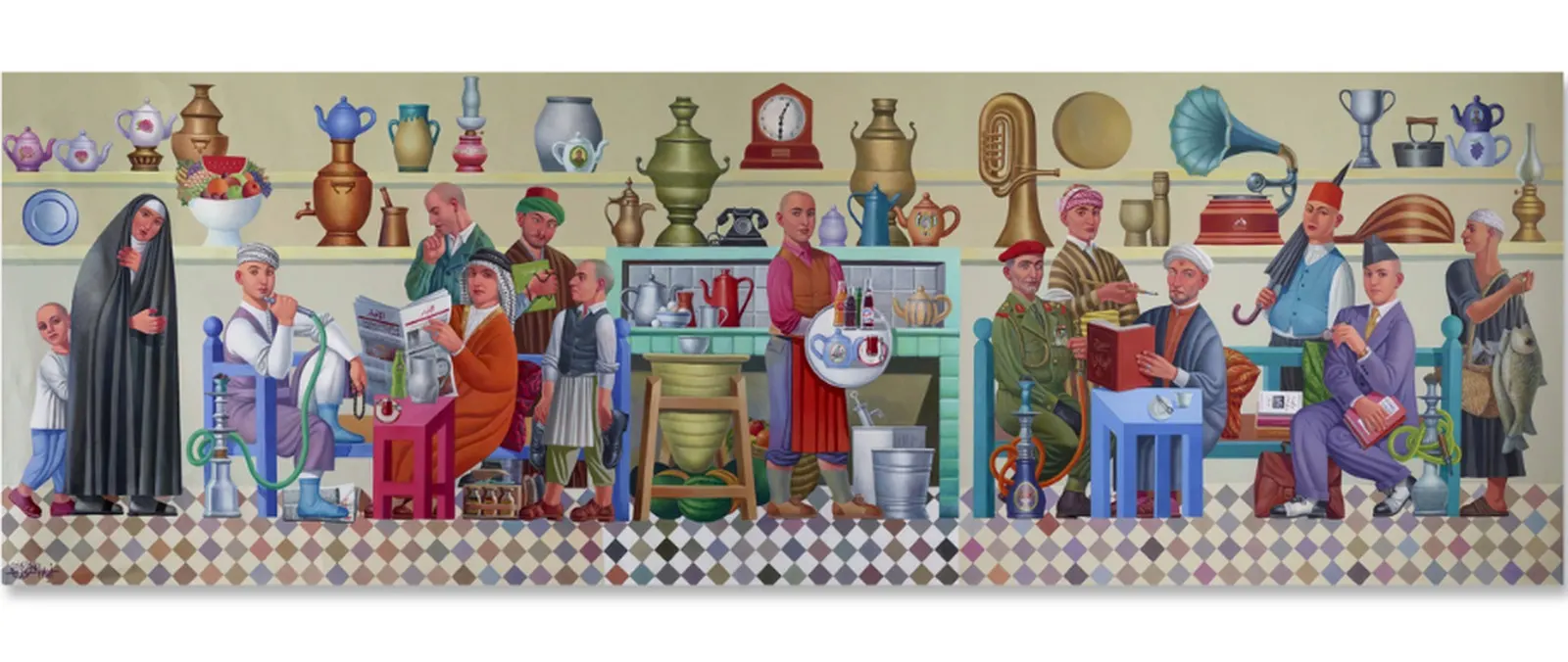
Christie’s is preparing its first fine-art auction in Abu Dhabi, a landmark move that places the emirate more firmly inside the international calendar for modern and contemporary art. The sale, titled MAWASIM: 20 Years of Modern and Contemporary Middle Eastern Art, will take place on November 1 at The Abu Dhabi EDITION following a public exhibition and programme running from October 28.
The auction brings together 70 works spanning nine decades of artistic production across the Middle East and North Africa. Rather than presenting the region through one generation or one market trend, Christie’s is using the sale to show the breadth of styles, histories and personal narratives that have shaped modern and contemporary art across the area.
Abu Dhabi becomes part of the live-auction circuit
The location is significant because Christie’s has operated in the Middle East for years, but this is its first fine-art auction in Abu Dhabi. The event extends the city’s growing cultural profile, already strengthened by museums, galleries, major exhibitions and long-term investment in arts infrastructure.
For collectors based in the Gulf, a live auction in Abu Dhabi reduces the need to travel to London, Paris or New York to participate in major regional sales. It also brings international collectors into the city, creating opportunities for local institutions, galleries and hospitality businesses around the auction itself.
The sale spans nine decades rather than one contemporary moment
Christie’s says the 70 works trace the richness and diversity of modern and contemporary artistic production across the Middle East and North Africa. That historical range is important because the category has developed through several distinct periods, from early modernism and post-independence art to internationally recognised contemporary practices.
Presenting these periods together allows collectors to understand the market as a connected history rather than a sequence of isolated names. It also gives newer buyers a way to compare works from artists whose reputations have been built over decades with those still shaping the current scene.
Baghdad Café is among the announced highlights
One of the works highlighted by Christie’s is Faisel Laibi Sahi’s 2016 painting Baghdad Café, estimated at $400,000 to $600,000. The work reflects the artist’s longstanding interest in urban life, memory and social space, themes that have made his figurative language widely recognisable within modern Iraqi art.
The inclusion of a substantial estimate for a regional artist demonstrates the level at which the auction house expects bidding to operate. It also shows how Middle Eastern modernism is increasingly being treated as a mature collecting field rather than as a secondary category beside Western post-war and contemporary art.
The public programme matters as much as the sale
The pre-sale exhibition runs from October 28 through November 1, giving visitors several days to see the works before the auction. That viewing period is critical for collectors who want to inspect condition, scale and surface in person, especially when considering works that may not have circulated publicly for some time.
For visitors who are not buying, the exhibition also functions as a short-term museum-style presentation. Auction houses increasingly use previews this way, creating public access to important works while building education and market confidence around a category.
Abu Dhabi is becoming a stronger meeting point for art and luxury
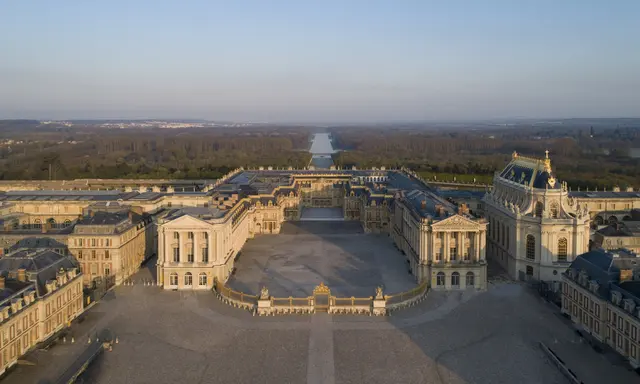
The choice of The Abu Dhabi EDITION places the sale inside a luxury-hospitality setting rather than a traditional standalone saleroom. That reflects the increasingly blended nature of high-end art, travel and private-client activity in the Gulf, where collectors often move between museums, galleries, hotels and private events within a single cultural programme.
For yacht owners cruising the Gulf or travelling through the UAE by private aviation, the auction adds another reason to include Abu Dhabi in a November itinerary. More importantly, it signals that the city is moving from being primarily a place to visit major institutions toward becoming a place where important art is also actively traded.