Castelsardo: a north-Sardinian arrival worth planning
Castelsardo sits on Sardinia’s northern coast, with its historic stone-built centre rising above a harbour that can be a practical stopping point for a 12–23.99-metre cruising yacht. Its attraction is the unusual proximity between working port facilities and a compact medieval town. An owner can approach the destination as both an operational stop and a shore visit rather than treating the marina simply as a place to replenish water and provisions. That combination is particularly relevant to a smaller professionally operated yacht or an owner-run motor cruiser, where the value of a berth is shaped by what guests can comfortably do without a lengthy transfer. The marina operator describes a year-round harbour, but neither year-round opening nor an online berth form guarantees a space on a particular night. A prudent itinerary begins with an actual confirmation and allows a captain to choose an alternative if the berth dimensions or conditions do not suit the boat.
What the marina publishes about its berths
Castelsardo Marina’s official harbour information lists a total capacity of 550 berths, with 380 on eight fixed piers and the remaining spaces distributed along quays and floating pontoons. It also gives a maximum depth of 4.5 metres and identifies a muddy seabed. Those are useful published characteristics, not a promise that every berth or every point within the approach has that depth. The maximum is especially easy to misread: a yacht drawing significantly less than 4.5 metres may still face local limitations at an individual berth or in the manoeuvring area. The marina publishes transient, seasonal and annual mooring arrangements, with a separate 2026 schedule of daily prices by vessel length and season. Owners should obtain a current quote for the exact length overall including platforms and appendages, confirm the available services and ask whether a suitable berth can be allocated to the planned dates. A price grid is not a booking confirmation.
Mistral winds and the practical approach
The marina’s own information identifies the mistral as the important crosswind. That matters because northern Sardinia is not merely a sequence of sheltered bays: an arrival from the Gulf of Asinara can require a different judgment from a calm-weather visit. Rather than copying a general approach description into a navigation plan, the captain should use current charts, official notices, weather forecasts and any marina instructions issued for the expected arrival. The marina lists the position as approximately 40 degrees 54 minutes north and 8 degrees 42 minutes east, and advertises VHF channel 9. These details make it easier to identify the intended harbour and establish contact, but the precise entrance track and safe approach are matters for navigation equipment and local harbour authorities. In particular, no berth should be treated as suitable solely because it looks accommodating in an online photograph. Confirm alongside arrangements, mooring assistance and the space available for an actual turn before entering.
Facilities that affect an owner’s time ashore
The operator identifies berthing assistance, refuelling, a harbour office, dry-dock facilities, supermarkets, laundry, food outlets and access to spare-parts suppliers among the services associated with the harbour. That does not mean a particular fuel type, engineer, haul-out slot or chandlery item is guaranteed on demand. For a yacht spending several weeks in the Mediterranean, the difference between a leisure stop and an operationally useful port often lies in precisely those details. A captain may need to arrange waste handling, replenishment, fuel and minor maintenance while guests explore the town. Questions about shore power, freshwater connection, access control and the timing of deliveries should be settled directly with marina staff. The published seasonal hours distinguish harbour mooring assistance from office administration. In the October-to-May period, the marina lists 08:00–19:00 for mooring service, with longer hours in summer; that information should be rechecked before a late arrival, when a call ahead is more useful than an assumption.
From the water to Castelsardo’s upper town
The town’s steep profile is part of its appeal. Looking landward from the harbour, visitors see a dense settlement climbing toward the Doria Castle, with narrow lanes and stepped passages rather than a modern waterfront boulevard. That makes Castelsardo rewarding on foot for travellers prepared for a little effort, but it also suggests allowing more time than a flat map may imply. Guests with limited mobility or travelling in strong midday heat should discuss a vehicle transfer and accessible alternatives instead of relying on a short straight-line distance. The old town rewards unhurried exploration: changing views of the coast, small workshops and places to stop for a drink create a different atmosphere from the high-season boutiques of more famous yacht destinations. This is a compelling addition to a northern Sardinia cruise precisely because the excursion can be scaled to the group. A walk up to the castle may be the centrepiece for some visitors; others may prefer a waterfront meal and a shorter visit.
Doria Castle and the Museum of Mediterranean Weaving
Sardinia’s official tourism information identifies the Doria Castle as the home of the Museum of Mediterranean Weaving. It explains that the museum displays traditional techniques and objects linked to everyday activities, including storage, fishing and herding. That focus distinguishes Castelsardo from destinations whose historic buildings are mainly picturesque backdrops. Craft has a practical connection to the region’s working life, and an interested visitor can consider how materials and skills developed alongside coastal trade and agriculture. The museum’s galleries extend across the castle’s interior, while the ramparts offer views toward the Gulf of Asinara. The exact ticket conditions, opening hours and the accessibility of particular historic passages may vary, so visitors should check the museum before heading up from the harbour. For a yacht group travelling with children or guests interested in design, the combination of technical craft exhibits and dramatic coastal setting creates a visit that can appeal to different generations without inventing an exclusive experience.
An old town shaped by craft and coastline
Castelsardo’s identity is tied to more than the castle. The marina’s own visitor information emphasises local artisan workshops, narrow streets, traditional restaurants and broad coastal views. Exploring these smaller spaces can be a refreshing contrast to an itinerary dominated by large beach clubs. The appropriate editorial approach is to recommend an area rather than promise that a particular workshop, restaurant or market stall will be open on an unconfirmed date. Guests who want to buy woven goods should ask about the materials, the maker and the work involved; a decorative souvenir is not necessarily handmade in the town simply because it is sold there. Restaurant plans deserve the same realism. Opening days, reservation arrangements and seasonal menus change, especially outside summer. A captain or concierge should confirm the practical details before committing the day’s schedule. The reward is the chance to experience a living settlement on its own terms, not a staged destination built solely around passing yachts.
The wider northern Sardinian context
Castelsardo can fit into a route along Sardinia’s north coast, but it should not be reduced to a fixed-distance leg between familiar names on a charter brochure. Passage length depends on the yacht’s present position, speed, wind, sea state and intended stopovers. The Gulf of Asinara and the northern coastline can be beautiful in settled conditions, yet their exposure makes weather choices consequential. For smaller 12–24-metre vessels, a comfortable arrival is often more valuable than holding a rigid timetable. The marina’s ability to provide a berth and its location close to town can make it an attractive planned pause, but a captain must still assess weather windows and local operating restrictions. When comparing potential stops, guests should consider not just where the yacht will be moored, but whether they can leave the boat securely and enjoy a worthwhile cultural visit without lengthy transfers or unnecessary transport arrangements.
How to plan a two-day stay without overpromising
A sensible first day leaves room for arrival and the yacht’s routine. Once the berth has been confirmed and the captain has completed the necessary checks, guests might make an easy reconnaissance walk along the waterfront and arrange dinner in town. The following morning could be reserved for a fuller ascent to the old centre, Doria Castle and the weaving museum, allowing time to enjoy the views rather than racing between attractions. That is a suggested rhythm, not a claim about admission slots or a pre-booked programme. Weather may make a shore visit more pleasant at one hour than another, and a crew managing an owner-run yacht must still attend to provisioning, fuel and technical tasks. A flexible plan leaves a margin for those realities. People who prefer a gentler day can enjoy the port surroundings and selected town viewpoints, while more energetic visitors can take the stepped routes upward. The marina remains the operational base, not the day’s only attraction.
Berth rates, paperwork and communication
The marina offers an official booking enquiry process and publishes 2026 rate tables. Its terms make clear that submitting a request does not itself form a binding mooring agreement; acceptance is subject to available space and any documentation or payments requested. This distinction is important for visiting yacht owners who may be working from an itinerary prepared weeks in advance. Confirmation should state the actual vessel details, dates and services rather than refer only to a generic price category. The marina lists its front office at frontoffice@marinadicastelsardo.com and its general office at info@marinadicastelsardo.com, alongside VHF channel 9 and published telephone contacts. These addresses are taken directly from the operator, not inferred or constructed. They provide a practical route for checking the current situation, including shore power, mooring assistance and late-arrival arrangements. Payment terms, cancellation policy and berth position remain matters for the marina to specify directly.
What to verify before including Castelsardo on an itinerary
The right questions are simple but specific. Can the marina accommodate the yacht’s true length overall, beam and draft? What arrival window is realistic given the weather and staffing? Is fuel available in the required grade, and will routine services be accessible during the intended stay? Does the crew need to arrange waste disposal, provisions or repairs in advance? For guests, the important questions are how best to reach the upper town, whether the castle and museum will be open, and whether the group is comfortable with steep streets. Castelsardo is appealing because a working port and an atmospheric historic destination sit close together; the best visits treat both sides with equal care. This article is a destination guide based on published harbour and tourism material, not a statement of live berth availability or a substitute for nautical charts. Reconfirm operating details with the marina and local authorities before departure.
Official sources and photograph
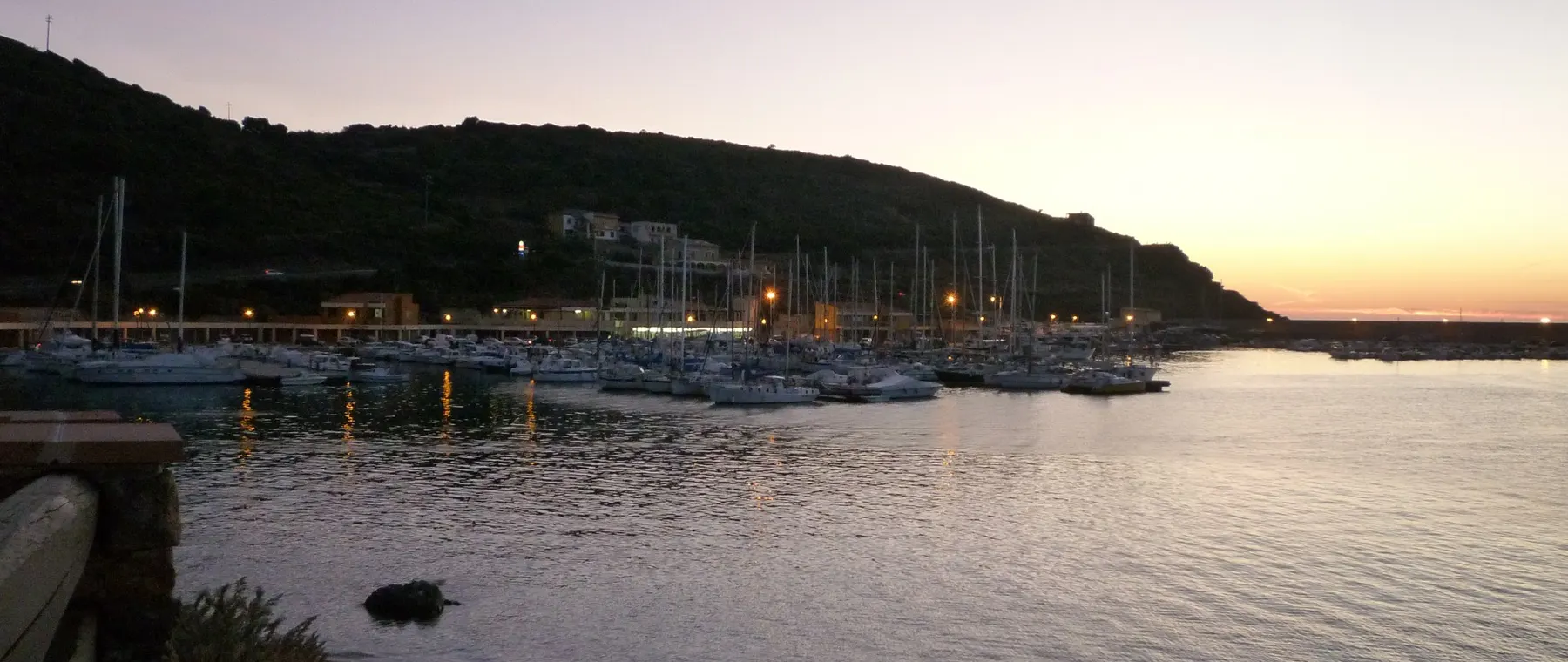
Berth numbers, maximum depth, weather exposure and operating information: Castelsardo Marina official harbour information. Services and town overview: Castelsardo Marina. Transit pricing and booking categories: 2026 marina rate tables. Cultural interpretation: SardegnaTurismo, Doria Castle and the Museum of Mediterranean Weaving. The hero shows the actual Castelsardo harbour in a 2010 photograph by Gianni Careddu / Wikimedia Commons, under CC BY-SA 3.0; resized for web display. It illustrates the destination, not berth availability today.