A rare BMW supercar finds a buyer
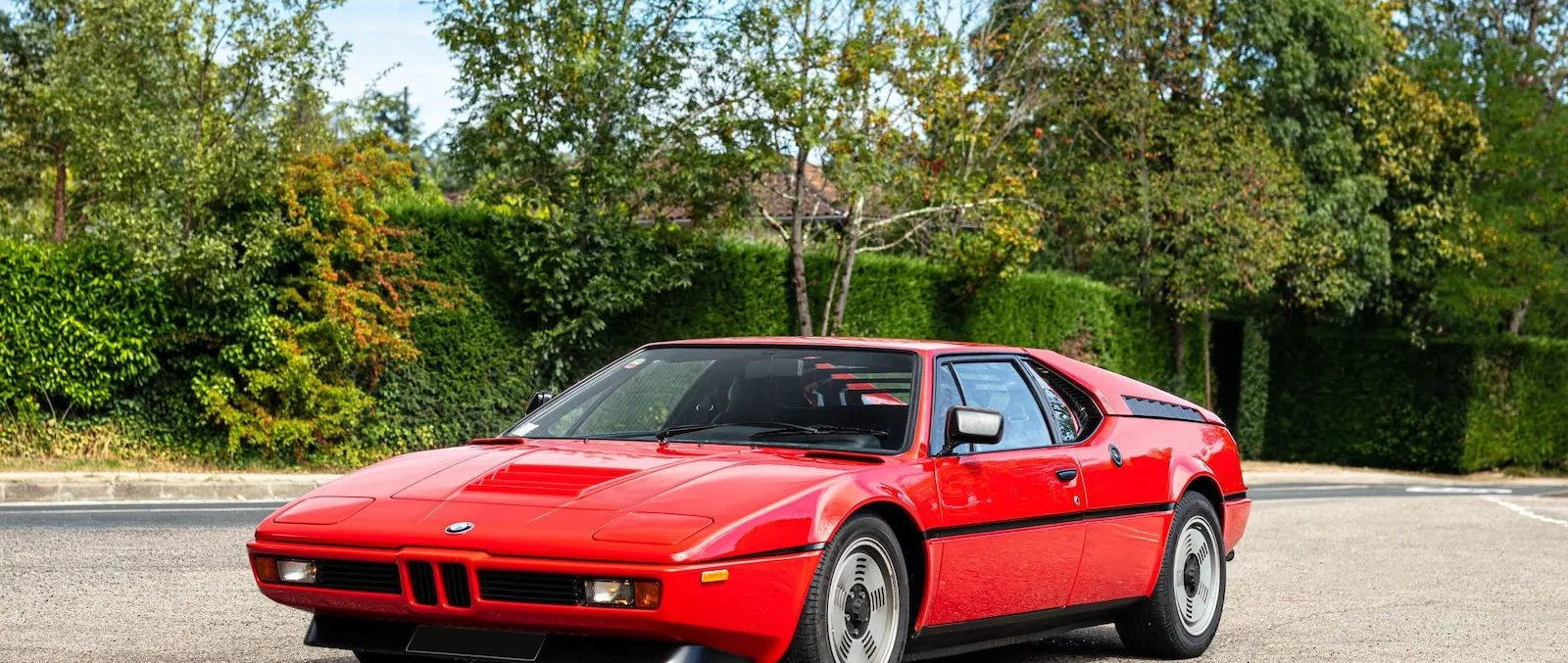
The BMW M1 remains one of the most distinctive collector cars of its period, and a recent Belgian auction result provides another point of reference. This development is relevant to owners and guests who pursue luxury motoring, hospitality, private travel or collectible objects alongside their yachting interests.
The auction house describes the M1 as one of around 450 produced and records that this vehicle was delivered new in Germany. Its current French registration and an engine rebuild completed approximately 6,000 kilometres ago form additional parts of the published history that a serious buyer would want documented.
A racing project turned into a road-going icon
The BMW M1 was developed during a period when the manufacturer’s Motorsport division wanted a dedicated mid-engined competition platform. The aim was to expand beyond the successful front-engined racing cars of the preceding era, with a low sports-car body and mechanical arrangements intended to serve ambitious motorsport plans.
BMW’s Jochen Neerpasch played a central role in the programme, while the wedge-shaped body became one of the most recognisable designs associated with the marque’s performance history. Limited production and the project’s complicated development are important reasons why the M1 occupies a distinctive position in BMW collecting.
Unlike a regular executive model upgraded with a powerful engine, the M1 began as a fundamentally different sports-car concept. For collectors exploring the evolution of mid-engined supercars, it provides a German perspective alongside models such as the Lamborghini Miura and Ferrari’s early Dino family.
Mechanical history is central to this example
The lot description records an engine rebuild roughly 6,000 kilometres before the sale. A prospective buyer should establish when that work was performed, which components were replaced and what testing or subsequent servicing followed, since the distance covered alone does not reveal the overall condition of the powertrain.
Chassis documentation, body inspection and any evidence of accident repairs are also central to assessing a rare production car. Specialist service knowledge may be less readily available than for mainstream BMW models, and replacement parts can require planning well in advance of intended use.
The car’s German delivery and French registration suggest a European ownership history, but these facts should not be used to infer a complete unbroken provenance. A sound assessment would be based on the records available for this particular chassis and what independent inspection can establish today.
Reading the €437,000 result
Bonhams reports €437,000 including buyer-related premium, making this a verified auction result rather than a speculative advertised figure. It offers a useful indication of interest in a specific M1 but must be considered in the context of the vehicle’s condition, specification, service history and the circumstances of the sale.
Collectors who wish to drive an M1 should approach preparation as they would any specialist historic performance vehicle. Tyre age, cooling, fuel delivery, electrical systems and brake condition deserve attention even when the car appears to have been maintained and stored carefully.
The Zoute result adds another transaction to the history of an unusually rare BMW. Beyond the price, the M1’s appeal reflects a time when a manufacturer used a low-production sports car to define its racing ambition and create an enduring object of fascination for enthusiast collectors.
For readers combining cruising with international travel or collecting, the announcement provides a useful reference point when planning a private itinerary or acquisition. Individual costs, access and conditions should be verified with the company concerned before making a commitment.