Byblos at Four Seasons Hotel Bahrain Bay has completed the third edition of Arabian Horizons, a culinary collaboration designed to explore the relationships between food traditions across the Arab world. The three-night event took place from 12 to 14 November 2026 and brought together Byblos chef Tony El Khoury and Egyptian chef Shehab Medhat for a ten-course tasting menu inspired by Lebanon and Egypt. Four Seasons described the dinner as a sequence of individual interpretations by the two chefs ending with a shared dessert. Although the event has already finished as of 22 November, its underlying idea remains relevant to luxury lifestyle readers: a restaurant can use a temporary collaboration to create dialogue between regional identities rather than turning every dish into a generic international composition.
A third edition suggests an ongoing idea
Arabian Horizons III was not presented as a one-off themed dinner without context. The Roman numeral in its title reflects the continuation of a series through which Byblos invites culinary perspectives from beyond its immediate Lebanese identity. A recurring series can give a restaurant the opportunity to develop relationships with guest chefs and introduce visitors to different techniques. However, the hotel has not announced a complete timetable for future editions in the source release. The November event therefore should not be described as a permanent menu, and interested diners should not assume that the ten-course programme can still be reserved. Its importance is the creative exchange documented during the completed three-night run.
Byblos supplies the Lebanese point of reference
The restaurant's regular culinary identity is associated with Lebanese flavours and contemporary interpretation. Chef Tony El Khoury draws on traditional recipes and ingredients while working within an international hotel setting. This gives Arabian Horizons a clear starting point: a guest chef can bring another perspective without the host restaurant abandoning its own character. Lebanese cuisine includes a broad range of dishes and regional histories that cannot be reduced to a few instantly recognisable items. Byblos' presentation is an individual chef's approach rather than a definitive account of all Lebanese food. Recognising that distinction makes it easier to appreciate the collaboration as an exchange between experienced professionals.
Shehab Medhat brings an Egyptian perspective
The visiting chef, Shehab Medhat, was identified by Four Seasons as the winner of MBC Top Chef Arab World 2025, season eight. The release also reports that he represented Egypt at Bocuse d'Or Africa in 2022 and reached the regional finals of the S.Pellegrino Young Chef Academy Competition. These are useful career details, though awards and competition results do not guarantee how a particular dish tastes. They show that the chef has attracted attention in different professional settings and has experience presenting his work under scrutiny. His role in Bahrain was to draw on Egyptian heritage and broader regional influences within a contemporary collaborative menu, rather than simply replicate familiar tourist-facing dishes.
Lebanon and Egypt have distinctive culinary histories
The two cuisines share ingredients and broader regional influences, yet their traditions are not interchangeable. Food is shaped by agriculture, trade, migration, family knowledge and social occasions. A restaurant describing a conversation between Lebanon and Egypt should preserve those differences rather than merge them into a generic Middle Eastern label. Four Seasons presents each chef as drawing on personal memory and cultural identity. That approach can help guests consider why a particular ingredient or preparation matters. At the same time, a ten-course dinner cannot fully represent either country's vast culinary landscape. It is a curated experience and should be assessed as such.
A ten-course format creates structure
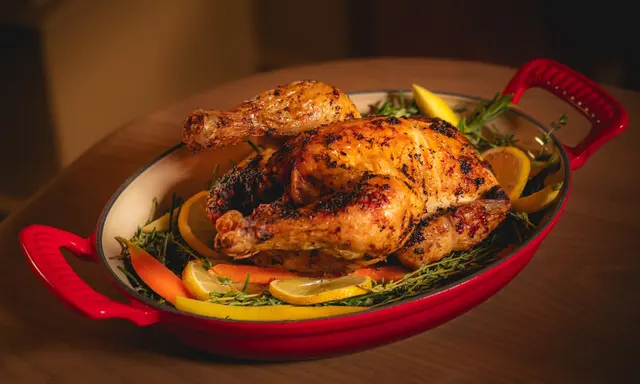
The collaboration was arranged around ten courses, giving the chefs a sequence within which to express different ideas. Multi-course dining can make relationships between preparations more visible than a single main dish, but the number of courses is not itself a measure of quality. Pacing, portion size, temperature and progression matter greatly. The official announcement explains the structure without publishing a complete dish-by-dish menu or independently verified descriptions of flavour. A responsible retrospective should not invent what was served. It can report that individual dishes were developed by the two chefs and that the menu was intended to explore their respective cultural approaches.
The final dessert was collaborative
Four Seasons singled out a dessert conceived together as the closing expression of the meal. That detail is notable because a collaboration can otherwise amount to two separate menus presented in succession. A genuinely shared final course offers a symbolic conclusion to an event built around dialogue. The release does not identify the dessert's precise ingredients or technique, so any more detailed description would be speculative. The culinary significance lies in the act of creating a dish together, where each chef has to negotiate flavour, preparation and presentation. The result may encourage visitors to think about how different traditions can inform one another without requiring one to dominate.
Storytelling needs to remain connected to food
Both chefs described the event through language about memory, tradition and personal narrative. These ideas can give meaning to a menu when they are linked to genuine choices in ingredients and technique. They can also become empty marketing language when the meal itself receives less attention than its explanatory text. Arabian Horizons provides a useful example of the challenge: the story of Lebanon and Egypt must eventually be communicated through dishes, service and hospitality. The source expresses the chefs' intentions rather than an independent review of their execution. A reader can appreciate that ambition while recognising that the event's actual flavours have not been assessed in this article.
Ingredients carry different associations
Lebanese and Egyptian cooking both make use of grains, vegetables, herbs, pulses and other ingredients, but the combinations and methods vary by place and household. A contemporary chef may draw on those associations through modern presentation or changing techniques. The hotel release does not provide a verified supplier list or detailed recipes for the November collaboration, so it would be wrong to claim every ingredient came from one particular region. The stronger editorial approach is to recognise the value of cultural context without filling gaps with assumptions. Diners interested in provenance can seek information from the restaurant and the chefs themselves when comparable events are announced.
Techniques can travel between kitchens
A guest-chef collaboration can be valuable for the professionals involved as well as the diners. Cooking together requires discussing preparation, scheduling and how different methods fit within one service. Restaurant kitchens are practical environments where ideas need to be translated into repeatable actions. Differences in terminology, preferred equipment or the sequence of preparation can create challenges that also lead to learning. The Four Seasons release does not document the internal development process, so those observations are general rather than claims about a particular rehearsal or recipe. What is confirmed is that the two chefs created a common ten-course experience and presented their culinary perspectives in Bahrain.
A waterfront setting changes the atmosphere
Byblos is located within Four Seasons Hotel Bahrain Bay, a setting associated with water views and contemporary hospitality. The waterfront contributes to the sense of occasion, particularly for travellers who enjoy destinations where urban life meets the sea. But the bar or dining room is not a maritime service simply because it overlooks water. The announcement contains no yacht-specific access arrangements or marina package. Its relevance is the way a restaurant uses place alongside cuisine to create an experience. The location may be memorable, yet the quality of the meal and personal service remain central to whether the evening is satisfying.
Bahrain as a gathering place for different cultures
Bahrain's position in the Gulf gives it a long history of exchange, commerce and movement between communities. A collaboration between Lebanese and Egyptian chefs fits naturally into a wider conversation about cultural encounters, though the dining event should not be treated as a complete illustration of Bahrain's own food heritage. Local Bahraini cuisine deserves attention in its own right. Travellers visiting the kingdom can enjoy international hotel restaurants alongside independent places that reflect regional traditions. Arabian Horizons was a specific creative project at Byblos, and its value is greatest when understood as one part of that larger culinary landscape.
Restaurant events are not permanent menus
The official dates, 12–14 November 2026, are now in the past. This article reports on the announced collaboration retrospectively and does not invite readers to book a completed dinner. The hotel has described Arabian Horizons as an evolving series, but it has not confirmed that these particular chefs or dishes will return on a specific date. Future editions should be checked separately through the operator. This distinction is important in lifestyle journalism because a story can remain culturally interesting after tickets or reservations are no longer available. The continuing relevance lies in the culinary ideas, not a misleading impression of current availability.
Award references should be attributed accurately
Shehab Medhat's competition record is an important part of the official biography, but awards have specific titles, dates and contexts. Four Seasons identifies him as winner of the 2025 MBC Top Chef Arab World season and describes his involvement in other competitions. That does not mean all those events conferred the same distinction or that every associated organisation has endorsed this particular dinner. Readers deserve clarity about what was won, what was participated in and what is a present professional role. Accurate biographical details strengthen the credibility of a story without turning it into promotional exaggeration.
Hospitality depends on teamwork
A high-profile collaboration may focus publicity on two named chefs, yet a ten-course dinner also depends on the wider kitchen, front-of-house and service teams. Different preparations need to arrive at the right temperature and pace, while guests require clear information about ingredients and dietary restrictions. The announcement does not list every member of the teams, but their contribution is implicit in a complex restaurant service. A thoughtful editorial account should not assume that two people physically prepare every course. Collaboration works through shared planning and coordinated execution, not simply through a photograph of the headline participants.
Cultural exchange is not the same as fusion for its own sake
The idea of bringing two cuisines together can sometimes encourage a superficial mixture of ingredients in the name of novelty. Arabian Horizons' stated approach is more nuanced, with individual dishes preserving each chef's perspective before a final shared creation. That structure recognises the differences between traditions while allowing an encounter. Whether individual plates achieved that balance would require direct tasting, which has not been undertaken here. The lesson for interested diners is to ask how a collaboration relates to the techniques and histories it references. A creative menu should enhance understanding rather than imply that cultural distinctions disappear when chefs work together.
A broader interest for luxury yacht travellers
Owners and guests of 12–24-metre luxury yachts may seek distinctive dining experiences during visits to the Gulf. A waterfront hotel restaurant hosting chefs from across the region may appeal through culinary craftsmanship and the opportunity to encounter different traditions. The event does not constitute a yacht charter, private-vessel service or marina arrangement. Its lifestyle relevance is therefore cultural, not operational. Travellers interested in international food can use the story as a prompt to explore Bahrain's wider restaurant landscape while recognising that this specific dinner has already concluded.
What Arabian Horizons III established
Four Seasons' 27 October announcement documented the third Arabian Horizons collaboration at Byblos, held from 12 to 14 November 2026, with Tony El Khoury and Shehab Medhat presenting a ten-course dialogue between Lebanese and Egyptian culinary ideas. The hotel identified the guest chef's competition history and a collaboratively created dessert as notable features. It did not provide an independent evaluation of the dishes or a confirmed future date for the same experience. For luxury lifestyle readers, the completed event is a useful case study in how skilled chefs can create cultural encounters through the structure of a meal while respecting the traditions that make their work distinctive.
Sources and image credits: Four Seasons Hotel Bahrain Bay, official 27 October 2026 release, Arabian Horizons III Brings the Culinary Traditions of Lebanon and Egypt Together at Byblos, with first-party restaurant event press photography. Career details and event format attributed to Four Seasons; independent culinary context and retrospective analysis by Luxury Yacht Guide.
Sources and image credits
Reporting based on Four Seasons Hotel Bahrain Bay 27 October 2026 Arabian Horizons III official press release.
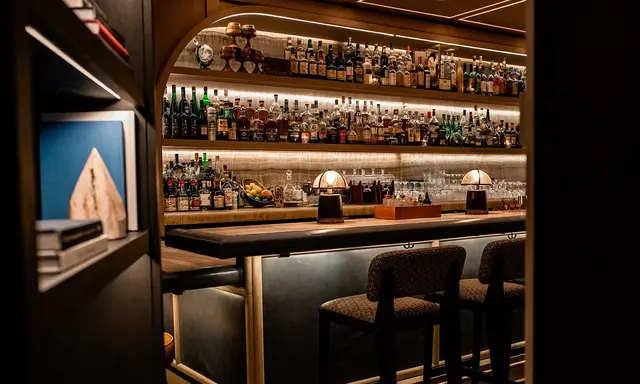
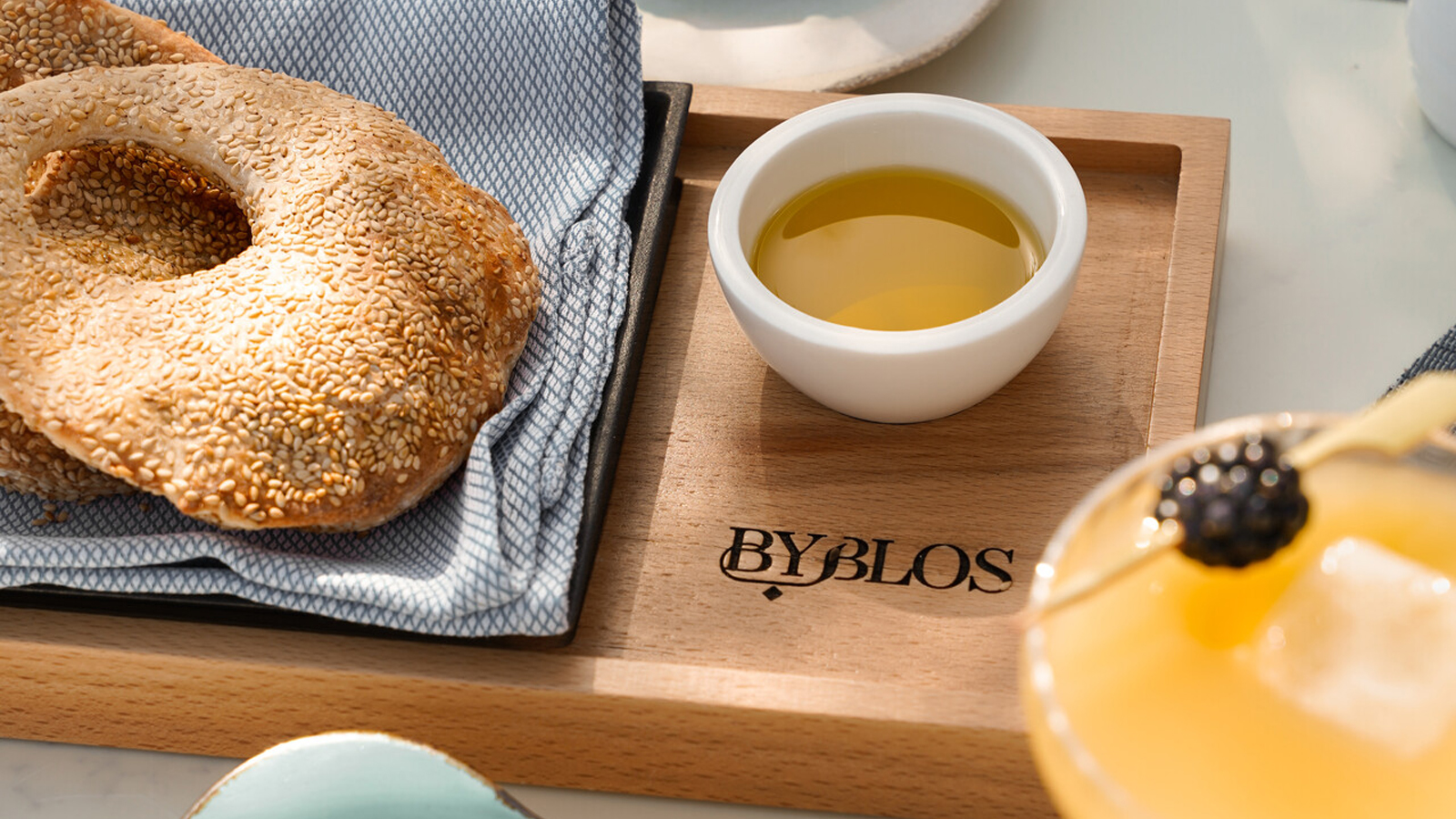
Lead photograph: Bahrain's Arabian Horizons III Brings Lebanese and Egyptian Chefs to One Table — credited first-party original official press photograph. Image: Four Seasons Hotels and Resorts, original official press photograph of Byblos restaurant at Four Seasons Bahrain Bay. Illustrative photograph of the host restaurant, not an image of the specific visiting chef collaboration. Original official image source.