Southampton International Boat Show will host a discussion on pollution from everyday leisure boating on Friday 18 September 2026, with Wave International managing director Paul Gullett among the speakers. The session starts at 14:15 on the Boating Stage and addresses contaminants that can enter the water without owners deliberately discharging harmful substances.
The announcement is relevant to operators of luxury yachts below 24 metres because the issue extends beyond exhaust and engine efficiency. Ordinary activities such as operating bilge pumps, washing decks and maintaining painted surfaces can generate unwanted residues, making prevention and appropriate disposal important parts of a vessel's operating routine.
Pollution can begin with routine activities
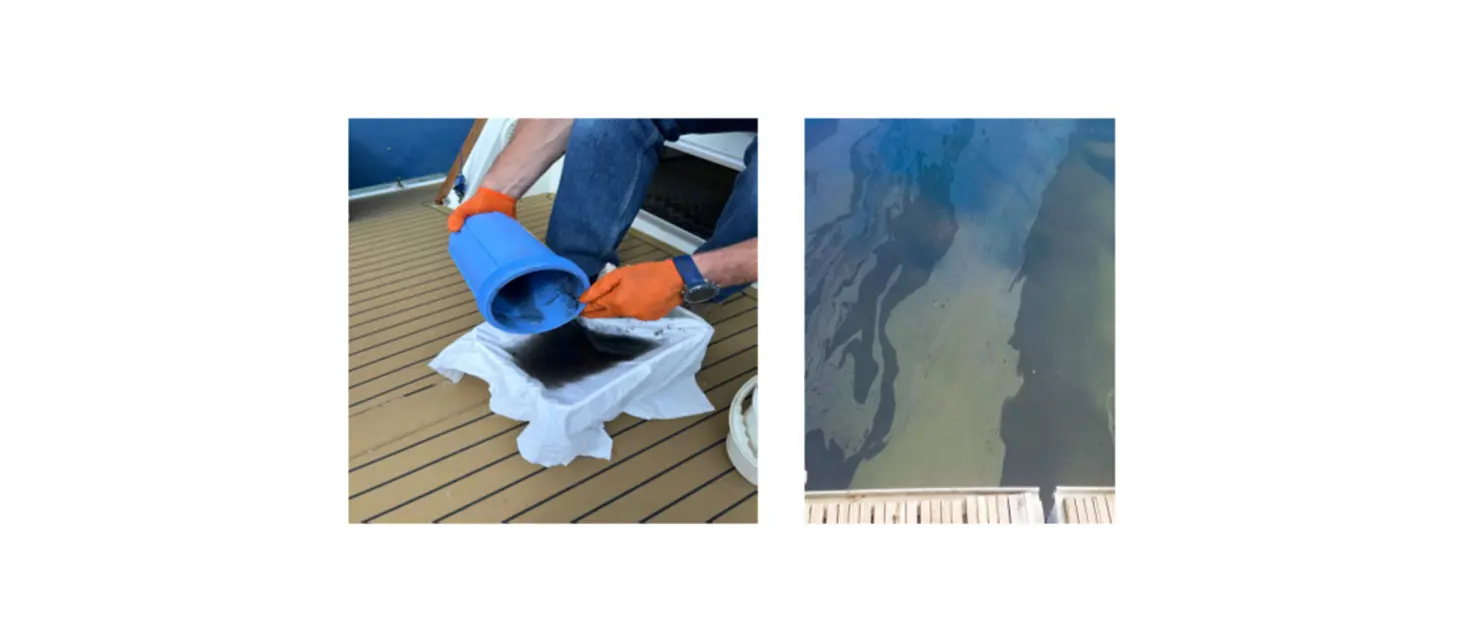
The event announcement identifies contaminated bilge water, wash-down water, oil, diesel, microplastics, microfibres and paint particles as potential sources of pollution. These substances do not necessarily arrive in one dramatic incident; small amounts can accumulate during normal operation and may be moved overboard when water is pumped or surfaces are cleaned.
For owners and crew, the practical question is how to identify and manage contaminants before they reach surrounding water. A clean-looking discharge is not proof that it is free of pollutants, so maintenance procedures and the condition of drainage equipment deserve attention rather than being treated only as housekeeping.
An expert panel will examine responsibilities
Gullett is scheduled to join Peter Wallbank, technical director of August Race, who will chair the discussion. Insurance participants named by the organisers are Mike Wimbridge of Pantaenius UK and Alan Wilkins of Mercari Risk Management, giving the programme operational, environmental and insurance perspectives rather than focusing solely on a single product.
The advertised title asks what global anti-pollution legislation means for boaters, and the panel is expected to discuss MARPOL alongside potential liability. Rules depend on vessel characteristics, activity and jurisdiction; a conference announcement is not itself legal guidance, and owners should check requirements applicable to their particular vessel and cruising area.
Bilges deserve a specific procedure
Bilges can collect water alongside traces of fuel, lubricants and cleaning products, particularly when equipment is serviced or leaks occur. An effective onboard procedure should distinguish relatively clean water from contaminated mixtures and identify how collected material is handled, without assuming that operating the pump automatically makes the discharge acceptable.
The planned discussion puts attention on the source of contamination as well as the final discharge. Keeping machinery in good order, spotting leaks early and arranging appropriate waste collection at suitable facilities are operational issues for owners to evaluate with their captain or service provider, rather than promises of a universally applicable technical solution.
Cleaning and maintenance also matter
Wash-down activities and coating maintenance feature in the organisers' list of potential pollution sources, broadening the subject beyond the machinery space. The risk can vary with the products being used, the work performed and the containment measures in place, so crew should identify the particular job before deciding where residues and used materials belong.
This is especially relevant for yachts undertaking seasonal preparation, repairs or frequent guest turnarounds. The session is intended to discuss practical responses, but its programme does not establish that any named cleaning method or treatment system is suitable for every boat; claims should be checked against manufacturer instructions and local requirements.
Insurance is part of the conversation
The inclusion of two insurance specialists reflects the possibility that contamination incidents raise questions beyond the immediate clean-up. The panel is expected to address potential insurance and liability implications, although the organisers have not published conclusions or announced any change to policy wording in advance of the event.
An owner should not assume that a general yacht policy covers every pollution scenario simply because it covers the vessel. Coverage, exclusions, notification obligations and geographical limits are contractual matters best clarified with the relevant insurer or broker before a problem occurs, rather than inferred from an industry presentation.
Southampton provides an industry forum
The show runs from 18 to 27 September, and this pollution discussion is scheduled for its opening Friday afternoon. It brings manufacturers, service specialists and insurance representatives into the same programme at a time when the industry is also displaying new boats and promoting alternative propulsion and equipment.
The session's more useful distinction is between reducing emissions from engines and managing contamination generated elsewhere aboard. Both can matter to a yacht's environmental footprint, but the measures and responsibilities are different, and a propulsion upgrade alone does not settle questions about bilge water or wash-down practices.
What owners can take from the announcement
The panel has not yet taken place, so any discussion outcomes and proposed solutions remain to be reported after 18 September. In the meantime, owners can review where water leaves the vessel, what maintenance products enter the system and which marina facilities accept waste generated by their operation.
Luxury Yacht Guide will treat this as an announced industry discussion, not as evidence that any particular owner has breached a rule or that a new international obligation has just entered into force. The verified news is the forthcoming session and its named subjects, which offer a timely starting point for informed questions about everyday yacht management.