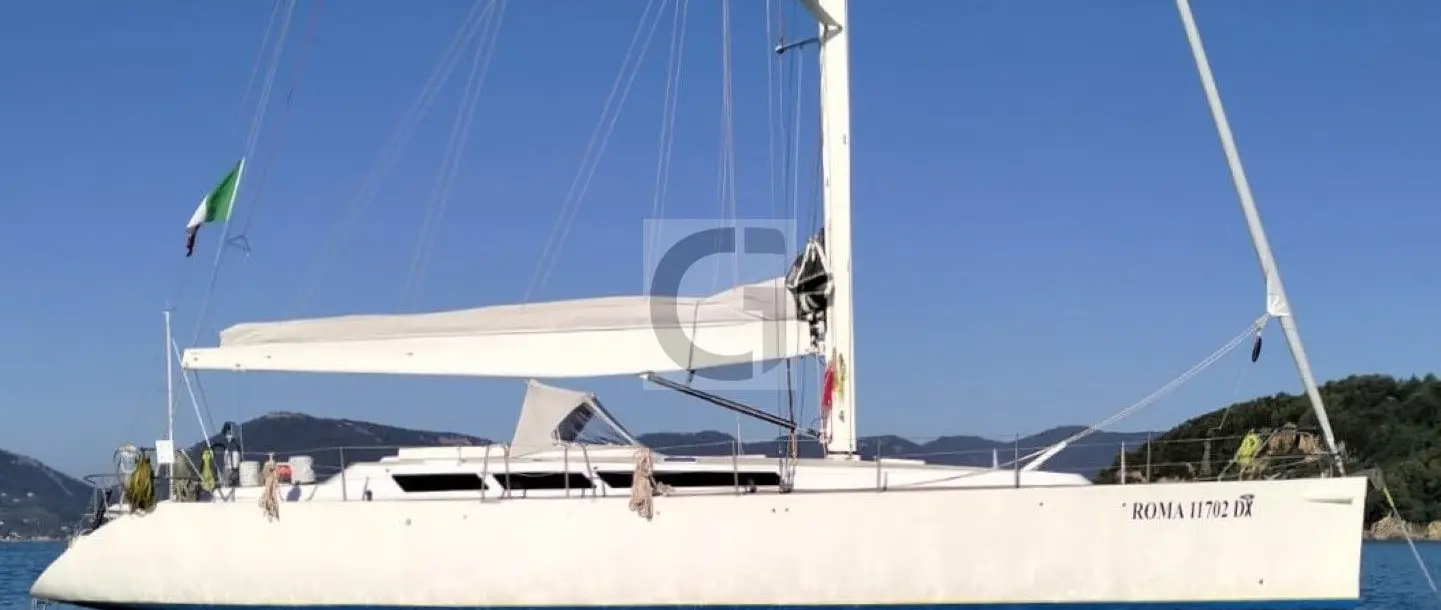
A confirmed sale announced on 4 November
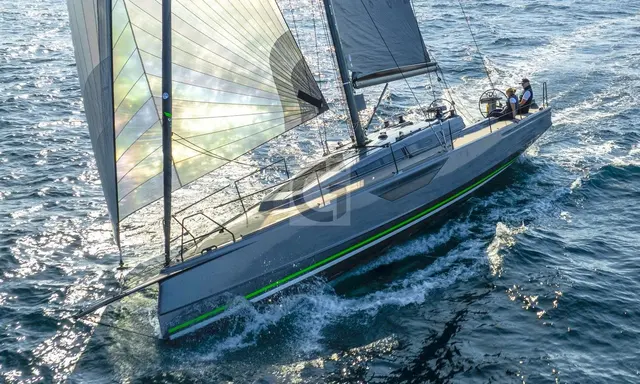
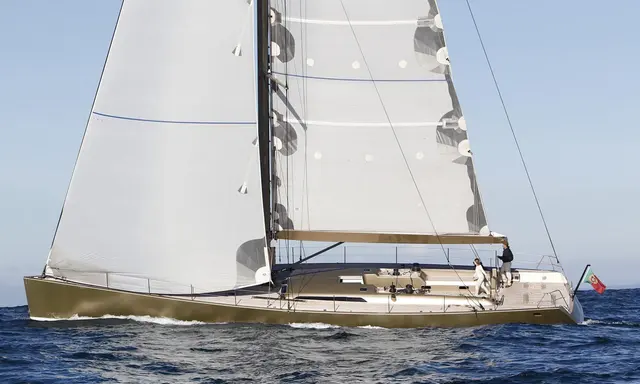
Grabau International has announced the sale of AURORA III, a Starkel 54 sailing yacht launched in 2010. Its notice, posted on 4 November 2026, identifies the vessel as a custom project built by Cantiere DOD and designed by Roberto Starkel. The brokerage confirms a completed sale but does not disclose a transaction price or identify the new owner. Those omissions should be respected; a sale announcement is not a basis for inventing financial terms or adding details about parties who have chosen to remain private.
The yacht occupies a specialist part of the 12–24-metre market, where established composite and timber-based designs can attract owners seeking individual character rather than the latest production model. A successful sale in this segment is interesting because buyers must evaluate material condition, rigging and the vessel's history alongside accommodation and aesthetics. It does not establish a price trend for all similar yachts. The transaction instead highlights continued interest in distinctive performance cruisers from respected design and construction backgrounds.
Custom construction with a mahogany foundation
Grabau describes AURORA III as cold-moulded mahogany reinforced by carbon and stainless-steel structures. The method combines a traditional timber material with engineered reinforcement, which gives the yacht a different construction identity from a conventional glass-reinforced production hull. The builder followed the success of the earlier Starkel 60 semi-custom series with this individually commissioned design. That lineage helps explain why the 54 was positioned as a serious custom project despite being smaller than some of the yard's other work.
Materials must be understood in their actual maintenance context. Cold-moulded hulls can offer strength and attractive finish, but competent surveys should address moisture management, coatings, bonding and any historical repairs. Carbon structures and stainless fittings bring their own inspection requirements. A buyer should evaluate documented maintenance rather than assuming that an unusual construction method is automatically superior or problematic. The yacht's continued ability to serve an owner depends on careful care of all these interacting components.
A powerful rig with accessible controls
The sale notice identifies a keel-stepped MaxSpar carbon mast, a carbon Park Avenue boom and a sail-control system led aft to the cockpit. Hydraulic or electrohydraulic winches assist with loads that would be demanding to handle manually. Grabau also lists a fully battened mainsail arrangement, a Magic Trim mainsail system, and a recently replaced main and genoa wardrobe. Together, these features point to a yacht intended to combine rewarding sailing performance with equipment that supports a small, skilled crew.
Efficient control systems can simplify routine manoeuvres, but they do not remove the need for maintenance or sound judgment. Hydraulic components, standing rigging and winches should be tested according to their operating history. A carbon rig deserves careful checking of fittings and load paths, while sail-handling arrangements should be rehearsed for the crew likely to sail the vessel. Good design and sophisticated hardware are most valuable when they make difficult tasks safer and more predictable at sea.
A three-cabin arrangement plus crew space
AURORA III's interior is finished in teak and arranged with an aft owner's cabin, two forward guest cabins with bunks and a further crew berth in the forepeak. The broker lists separate heads facilities for guests and crew, a feature that supports longer passages with more than one couple aboard. On deck, a twin-cockpit arrangement includes a central guest cockpit and working controls further aft. This separation can make it easier for passengers to enjoy the sailing experience while keeping the main handling areas available to the crew.
The usefulness of such a layout should be judged during a realistic passage, when storage, access and comfort at heel matter as much as photographs of the joinery. A performance cruiser cannot devote every metre to accommodation, and AURORA III reflects that balance. The cabin plan is not intended to imitate the volume of a multihull or an equivalent-length motor yacht. For an owner who enjoys sailing, a more purposeful interior can be an acceptable exchange for a distinctive rig and outdoor working space.
Machinery and onboard systems
The equipment list includes a 75-horsepower Yanmar diesel engine, a Whisper Power generator rated at 3.5kW, air conditioning through an inverter arrangement and Raymarine Axiom chartplotters replaced in 2023. Grabau also mentions Solimar flush deck hatches and LED lighting. These are concrete details of the yacht's advertised specification, rather than evidence that every component was renewed recently. The date associated with the chartplotters should not be mistaken for the age of the entire navigation installation.
Auxiliary machinery makes a sailing vessel more versatile, especially during marina manoeuvres or when the itinerary includes periods without wind. A practical owner will want an understanding of engine hours, electrical capacity, maintenance intervals and the availability of suitable technical support. Equipment lists often evolve during ownership and should be confirmed in the final bill of sale. The announcement's value is in providing a useful summary of the vessel's character, with detailed due diligence remaining a private matter between the parties.
A specialist sale rather than a market benchmark
The broker's confirmation closes a particular sales campaign for a Starkel-designed yacht that combines timber construction, a modern composite rig and a distinct interior programme. Grabau refers prospective purchasers who missed this opportunity to other performance and cruising yachts. That is normal brokerage practice and does not imply that AURORA III's specifications or sale terms apply to any alternative. Each yacht deserves an individual comparison of build quality, technical records and the type of voyages it was designed to undertake.
For owners following performance cruising, the transaction is a reminder that interesting designs do not always fit neat categories of production boat, classic yacht or full custom superyacht. AURORA III crosses several of those boundaries at a relatively manageable length. Its sale is now confirmed by the brokerage; the financial details remain undisclosed. The next chapter belongs to the new owner, while the broader market continues to offer specialist yachts for those who value sailing character and engineering over sheer volume.