A ratchet that holds the sail mid-furl
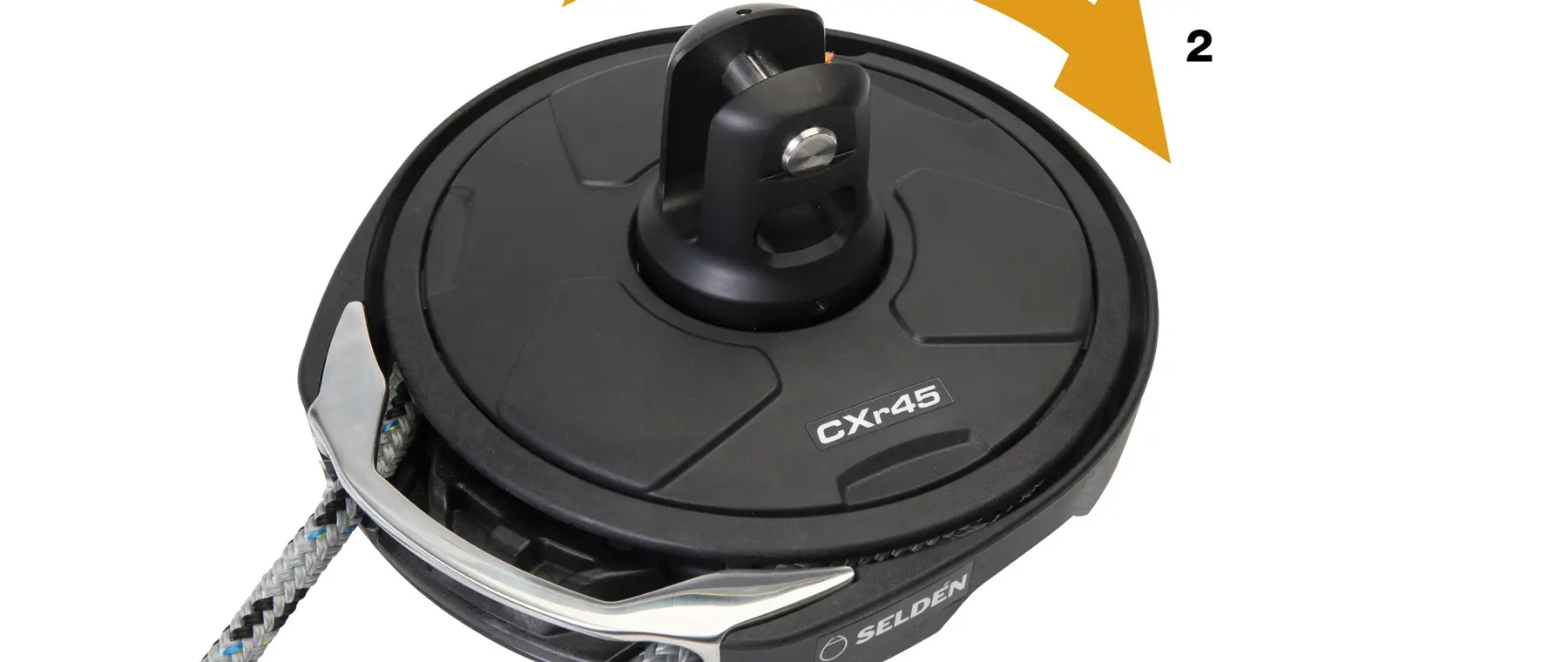
The headline change in the CXr is a ratchet mechanism that resists the torque of the sail and prevents unintended rotation. When furling a large top-down sail, the crew can pause part-way through the operation without losing the work already put into the furl.
To deploy the sail, the ratchet is deliberately released with a short pull on the furling line before the sheet is loaded. Seldén says the mechanism works automatically in both rotational directions, simplifying use across different installations.
Designed for larger Code and downwind sails
Code sails and asymmetric downwind sails create high torsional loads during furling, particularly as yacht size increases. The ability to stop and hold the drum can therefore reduce the physical demand on crew and make sail handling more controlled when conditions are not ideal.
The CXr also gains a spring-loaded captive pin intended to make it easier to attach the swivels to the sail. These small handling details matter on foredecks where crew may be working with gloves, movement and limited time.
New supporting hardware around the furler
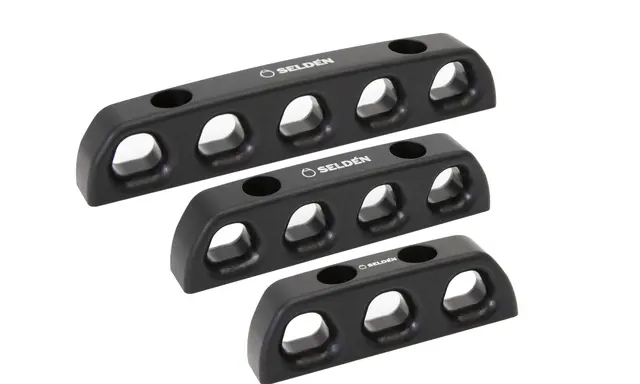
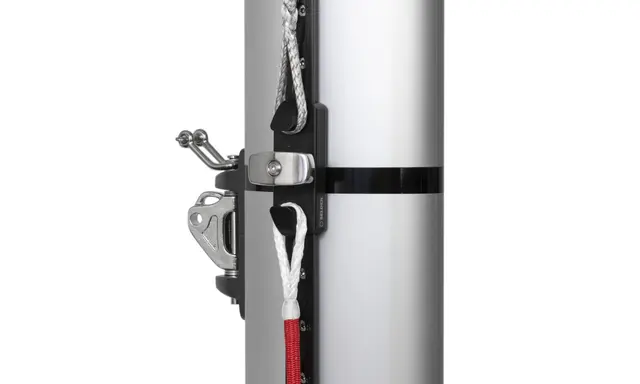
Seldén introduced the CXr alongside Tack Swivel Adaptors for top-down furling, clew-boards and head-boards for cableless Code sails, plus new terminals for anti-torsion cables. The result is a broader system rather than a single isolated drum update.
That reflects how modern reaching-sail packages are specified: furler, torsion cable, sail attachments and deck structure all have to be matched. A change to one component can affect loads and handling throughout the package.
Convenience without removing crew awareness
The CXr was unveiled as the successor to Seldén's earlier CX and GX furlers, which helped make removable reaching sails more practical for cruising yachts. The ratchet pushes the concept further by allowing more controlled handling as sail area and loads increase.
Owners should still size the furler and attachments against the sailmaker's calculated loads and the yacht's deck fittings. A more convenient mechanism does not reduce the need for correct working-load margins, inspection and disciplined line handling.