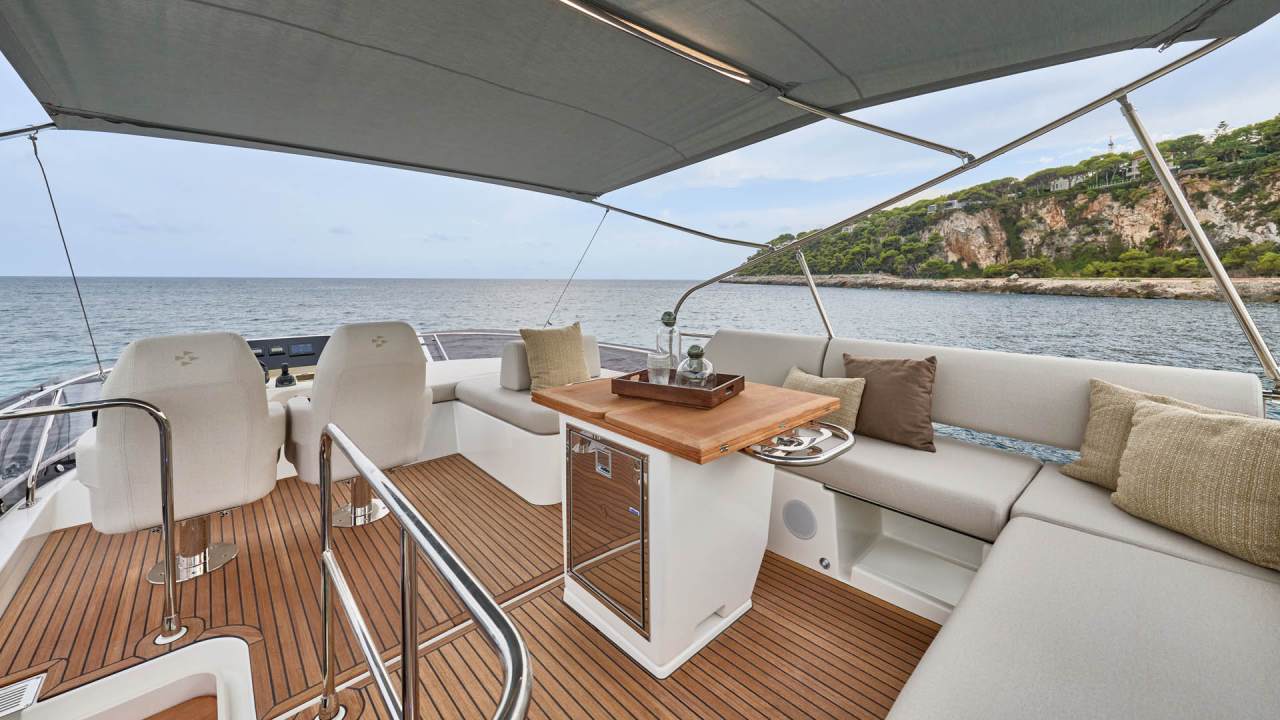
PRESTIGE is presenting its F4.9 motor yacht at Paris Nautic Show from 25 to 29 November 2026, giving French buyers a specific model to inspect rather than a stand built around general brand promotion. The shipyard's official event invitation identifies Stand E-48 at the Paris-Le Bourget exhibition centre and singles out the F4.9 for its modern flybridge layout and light-filled wheelhouse. A new skylight integrated into the helm-area roof is one of the details the manufacturer wants visitors to notice. This may sound like a modest architectural change, but the quality of the driving position and adjoining interior can influence almost every day spent on a mid-size motor yacht. For owners weighing a yacht around the 15-metre class, the November show offers a chance to investigate how the boat's accommodation, natural light, visibility and exterior living spaces work together.
A confirmed display, not simply a meeting
PRESTIGE's published Paris announcement names the F4.9 under the heading for yachts on display and offers invitations to visitors. It states that representatives will be available throughout the five-day event to answer questions and guide buyers. This makes it more specific than a notice that only confirms corporate attendance. Prospective owners can plan a visit around a particular model and use the opportunity to ask about its detailed build configuration. Nevertheless, an exhibition yacht is still one physical example. Its colour choices, electronics, upholstery, machinery and optional fittings may differ from a vessel offered for a later delivery slot. The event page does not supply a firm sales price or guarantee that a given owner's preferred configuration can be delivered on a particular date. A successful visit should lead to a documented specification and an agreed programme for further inspections.
Why the new wheelhouse skylight matters
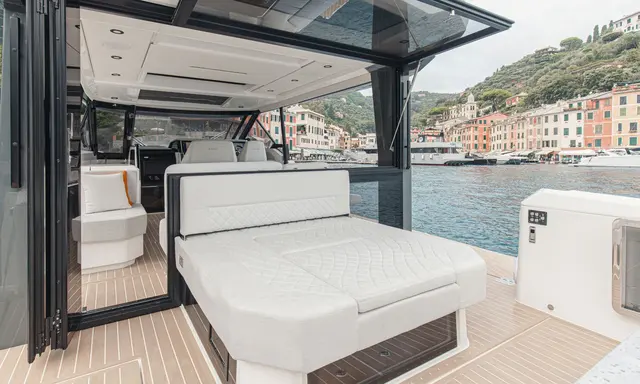
PRESTIGE draws attention to a newly integrated light well in the wheelhouse of the F4.9. Natural light has become a prominent selling point in motor yacht design, but the practical assessment should go beyond a pleasant impression at a boat show. Glass overhead can change the feeling of the helm, make a compact interior seem more open and connect the occupants visually with the surrounding environment. It can also affect summer heat gain, glare on screens and the way the space feels during overnight passages. Buyers should inspect the actual helm from seated and standing positions, test sightlines toward the bow, and ask what blinds or glazing treatments are fitted. The engineering behind a skylight, including sealing, drainage and long-term serviceability, matters as much as the aesthetic effect. A yacht designed for use in intense sun requires different thermal priorities from one based in northern Europe.
The relationship between the helm and salon
A modern yacht in this size category must support travel and social life without making one activity compromise the other. The person at the lower helm needs direct access to navigation instruments, communication equipment and engine information while retaining clear visibility outside. Guests may use the adjacent salon or galley, so circulation and conversational noise should also be considered. PRESTIGE describes the F4.9 as combining generous spaces with a warmer and more refined ambience across its F-Line range. That design promise should be tested by walking through the boat and looking at the actual dimensions of companionways, steps, doors and seating. During a sea trial, ask whether the lower helm feels usable with guests moving nearby and whether exterior visibility changes with different trim and sea conditions. A showroom with static lighting can reveal finishes; the sea reveals how the layout functions.
Flybridge life introduces another set of decisions
A flybridge provides a separate outdoor social environment, often becoming the centre of daytime use in warm weather. Yet the value of the upper deck depends on safe stair access, wind exposure, shade, seating ergonomics and the proximity of an upper helm to the people on board. At Paris, prospective owners should examine rail heights, handhold positions, drainage and the ease of moving between decks while wearing ordinary cruising footwear. They should also ask whether any substantial optional equipment changes weight high above the waterline. The operating experience can vary significantly between a yacht fitted with additional refrigeration, a large tender or a more elaborate canopy. A builder's approved stability and loading limits are therefore essential documents, not mere technical formalities. Elegant outdoor accommodation is successful only when it remains safe and practical under real conditions.
The accommodation plan deserves a deliberate walk-through
An exhibition visit allows a family or ownership group to assess privacy, ventilation and daily routines rather than count berths. Buyers should imagine the vessel occupied for several days: where will bags be stored, where are wet shoes left, and how do people move past each other while preparing a meal? A double cabin that photographs beautifully may have difficult bed access or limited luggage space. Heads should be inspected for ventilation, usable shower dimensions and access to equipment behind panels. Ask how much dedicated space remains for cleaning materials, safety gear and spare parts. If the yacht is intended for mixed family and guest use, privacy between cabins and passageways can prove more important than one additional decorative feature. PRESTIGE's emphasis on the F4.9's refined interior is a reason to examine these fundamentals closely, not to skip them.
Engine-room access is essential to the purchase
A mid-size flybridge yacht combines a substantial machinery installation with limited available volume. Prospective owners should therefore make service access part of the showroom inspection. Determine whether oil filters, seawater strainers, batteries and common inspection points can be reached without removing other equipment. Observe how hatches open and whether access remains possible when lockers are full of cruising supplies. Ask about ventilation, insulation, fire protection and the arrangements for isolating essential systems in an emergency. A vessel's detailed machinery specification can change with engine option or build year, so the information should be tied to a particular hull. The buyer should also obtain service intervals and estimated operating requirements from the authorised equipment providers. A beautifully appointed saloon cannot compensate for systems that are difficult or costly to maintain.
Paris is a starting point for a sea trial
Even when the exact model is available to inspect at an exhibition, the performance questions require a proper trial on water. Arrange to observe handling at slow speed, visibility while turning, the response of any manoeuvring aids and the practical operation of anchor equipment. Test normal cruising speeds as well as docking, because an owner spends much of the season doing routine operations rather than conducting maximum-speed demonstrations. Record wind, wave height, fuel load and number of people aboard before interpreting fuel or noise figures. If a trial is conducted on a different hull from the one to be purchased, clarify differences in engine installation, equipment and weight. Written data can supplement a sea trial but cannot replace an independent inspection of the vessel being delivered. A builder's event team should be able to explain how to arrange the next stage.
Berthing and regional use shape the specification
For European owners, a PRESTIGE F4.9 may be operated between Mediterranean marinas, Atlantic ports or northern European waterways, each presenting different requirements. The yacht's beam, draft and above-water profile influence berth availability, wind exposure and service access. Owners should request current dimensional drawings rather than use nominal model length when obtaining marina quotes. Shore-power arrangements, winterisation, heating, tender storage and equipment protection can also vary with the home port. An owner who expects to cross the English Channel may prioritise different systems from one who will stay close to the Riviera. The Paris show is an opportunity to discuss those differences directly with the manufacturer and local distribution network. It would be a mistake to treat every vessel of the same model as having an identical operating budget.
Interior finishes are not just a design choice
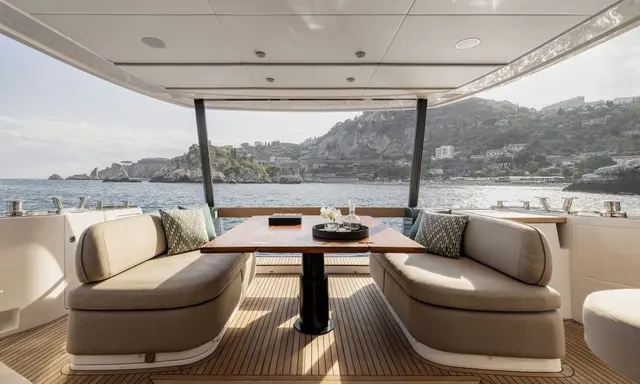
PRESTIGE's event announcement highlights a warm ambience and refined materials. That is important, but buyers should investigate the durability of each selected surface under the conditions in which the yacht will operate. Salt, sunlight, damp clothing, cleaning products and vibration all challenge finishes over time. Ask about fabric cleaning instructions, replacement availability, timber treatments and the consequences of exposing upholstery to prolonged ultraviolet light. A family with younger passengers may make different choices from an owner who mainly entertains adults. It is also worth distinguishing standard interior materials from those fitted as show options. The most reliable way to assess longevity is to inspect a vessel that has been in service, in addition to the new display example. Refitability and spare parts are part of the overall quality of ownership.
What prospective buyers should ask at Stand E-48
A practical appointment should leave the visitor with more than photographs. Request the current model data sheet, a dimensioned general arrangement plan, equipment specification and engine choices. Clarify which features of the Paris F4.9 are standard, optional or fitted specifically for exhibition. Ask for a written price by configuration, estimated build and delivery schedule, warranty terms and dealer responsibilities. Discuss any intended modifications with the builder before assuming they can be incorporated into production. Buyers considering crew assistance should investigate whether working space and service access support that pattern. Finally, arrange a follow-up inspection or sea trial and determine which professional surveyor can attend. A clear sequence of decisions is more valuable than feeling obliged to commit during the exhibition.
Why the F4.9 merits attention in late November
The 25–29 November display arrives as the European boating calendar moves from autumn on-water events toward winter sales and planning. For many owners, this is the period when next season's marina bookings, specifications and delivery possibilities begin to crystallise. PRESTIGE has confirmed a particular model rather than leaving visitors to guess what is available to inspect, and the F4.9's updated wheelhouse feature gives the visit a current design focus. It does not establish an entirely new model launch or demonstrate any unverified performance figure. The news is a manufacturer-confirmed owner inspection opportunity, reinforced by a visible example of the brand's interior design direction. For buyers in the 12-to-24-metre luxury yacht sector, the right conclusion will come from comparing the physical yacht with the written specification and the realities of their own intended cruising programme.
Sources and image credits
Reporting based on PRESTIGE official 2026 Paris Nautic show page confirms F4.9 on display 25–29 November 2026 and new wheelhouse skylight.
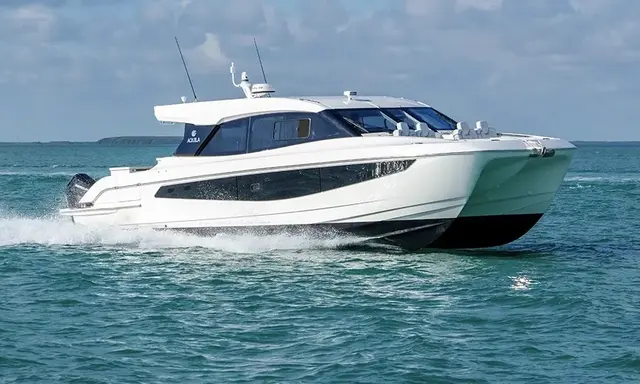
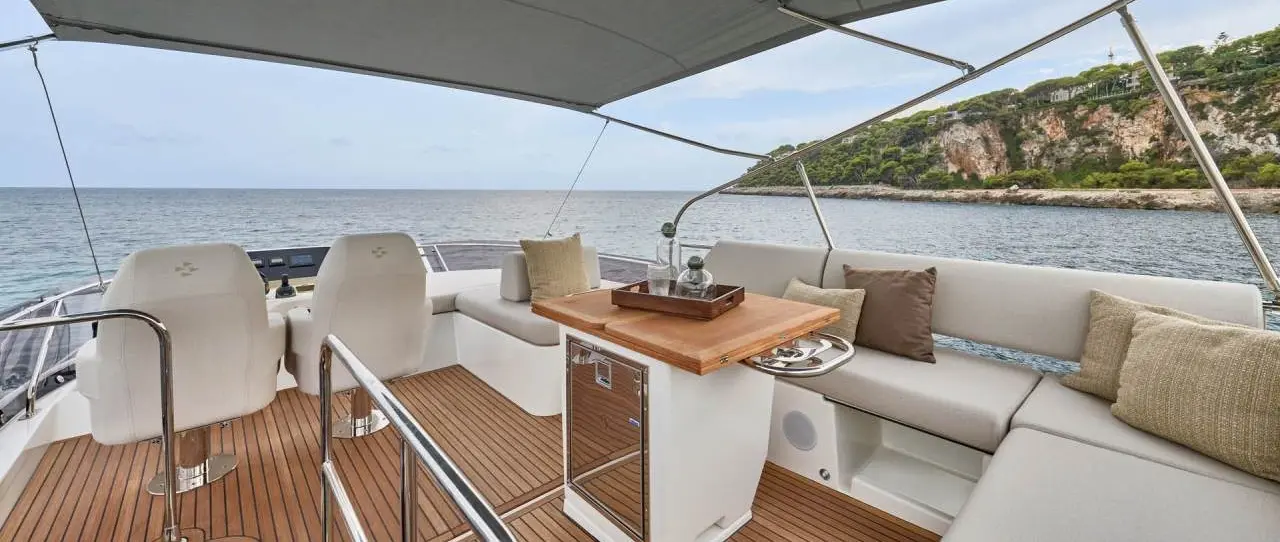
Lead photograph: PRESTIGE F4.9 official manufacturer's model-gallery photograph; representative archive image, not a photograph from Paris Nautic Show 2026. © PRESTIGE Yachts / Groupe Beneteau and the original photographer. Manufacturer's model-gallery photograph; rights retained. Original official image source.