Marine businesses often discover that entering a new market is harder than simply finding a distributor. Certification, customer expectations, service support and product positioning can all change across borders, even when the boats and equipment themselves are broadly similar.
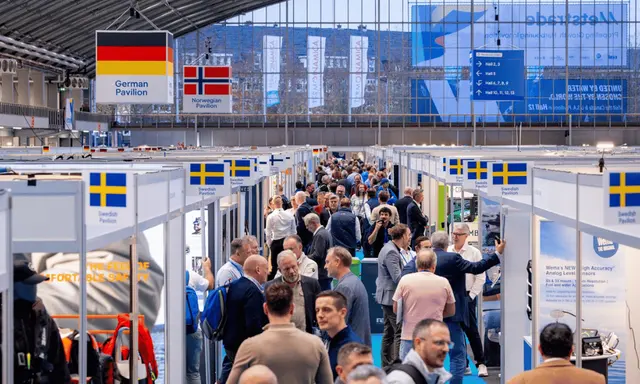
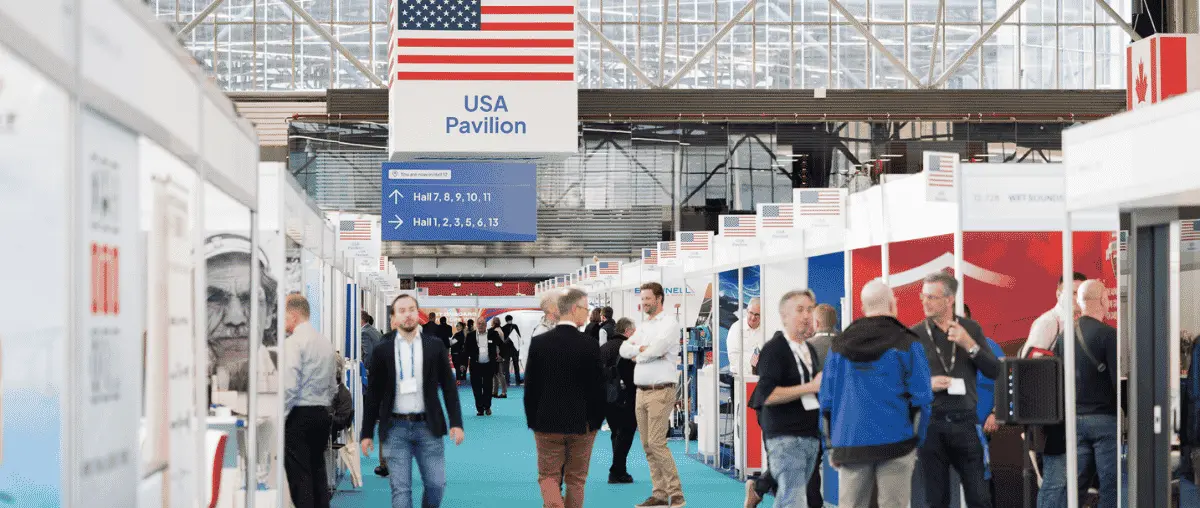
METSTRADE is building a larger North American programme around that challenge for its 2026 Amsterdam show. The plan combines US and Canadian pavilions with a dedicated stage focused on market access, retail change, technology and international expansion.
North American participation is growing
METSTRADE says exhibitor participation from North America is expected to exceed the previous two years, while visitor attendance from the region has grown 14% over the same period. The combined pavilions are intended to give companies a visible base inside the wider show.
That matters because smaller marine businesses often struggle to gain attention at a global event. A national pavilion can create a clearer route to meetings with distributors, boatbuilders and suppliers that would otherwise be difficult to arrange.
Market entry gets its own technical session
One session will focus on importing to North America, including compliance, certification and market-entry requirements. Speakers from the US Coast Guard, NMMA and ABYC are expected to explain the regulatory pathways companies need to understand before selling into the market.
For yacht owners, these issues often remain invisible until a product requires servicing, certification or replacement. Stronger market-entry planning can reduce those problems by ensuring equipment is properly supported where the boat is actually used.
Retail and AI are also on the agenda
The North American Stage will examine how artificial intelligence is changing marine marketing and how the US retail market is evolving. West Marine chief executive Paulee Day is among the scheduled speakers.
These may sound like trade issues, but they shape how products reach owners. Better digital tools can improve product discovery and support, while changes in retail can affect availability, pricing and after-sales service across the boating market.
Global supply chains remain central to luxury yachting
METSTRADE notes that European-built yachts remain an important part of North American imports, while North American equipment companies continue to supply builders worldwide. The relationship therefore runs in both directions rather than functioning as a one-way export market.
For LYG, that makes international trade events relevant even when no yacht is launched there. The quality of the supplier, dealer and service network behind a yacht can matter just as much as the name on the hull once ownership begins.