An agreement begins a feasibility study, not marina construction
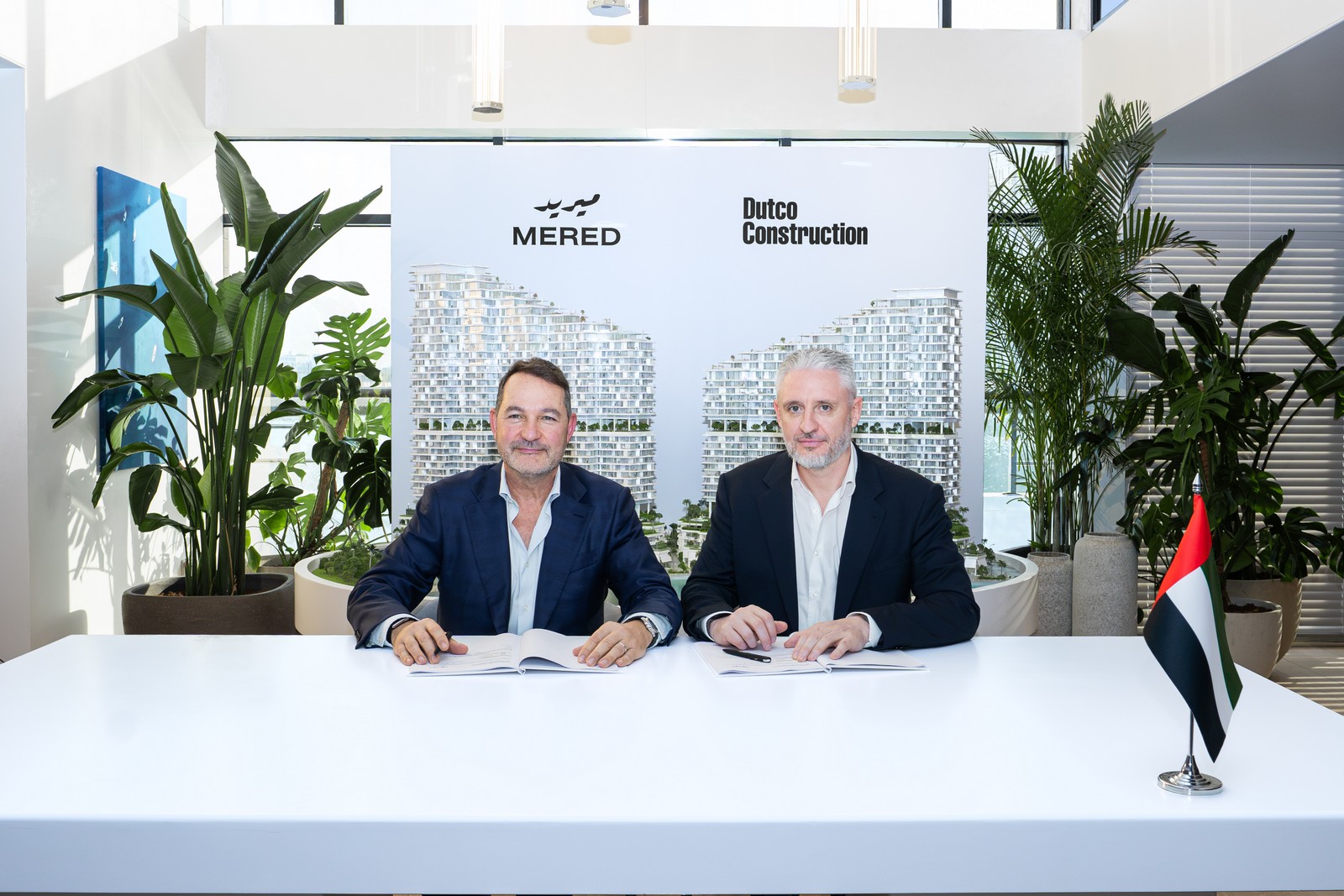
Property developer MERED and marine-sector partner AAA Marine announced on 23 November 2026 that they had signed a memorandum of understanding to explore whether a marina could form part of Riviera Residences on Abu Dhabi's Al Reem Island. The memorandum was signed during the Abu Dhabi International Boat Show and concerns a potential link between waterfront residential development, yacht berthing and marine leisure services. The most important distinction is its present status: a feasibility initiative is not an approved construction contract or an operating marina. No firm berth count, maximum yacht length, completion date or published tariff emerges from the announcement. For owners interested in cruising the Gulf, the proposal is relevant because additional urban marina capacity could expand destination choices if the project proceeds. Its eventual viability still depends on technical, regulatory and commercial work that has yet to be reported as complete.
A waterfront residential project looks toward the sea
Riviera Residences is a waterfront development at Al Reem Island, where the property company is seeking to create a relationship between residential life and recreational boating. This type of concept can appeal to people who want to reach a boat from an urban home without travelling to a separate marina district. The idea is attractive, but there are practical differences between having water beside a building and providing a properly equipped marina. Safe navigation channels, pontoon layout, wave conditions, access controls and services for boats all need independent assessment. A development photograph or architectural rendering should not be treated as proof that a functioning harbour already exists. The current announcement shows an intention to investigate the marine opportunity, rather than a final picture of the proposed waterside infrastructure.
Why a marine partner is needed
AAA Marine's involvement gives the project an identified marine-sector participant rather than leaving the feasibility discussion entirely within a property-development team. Planning a marina requires specialised knowledge of harbour engineering, vessel movements, berth infrastructure, service networks and the expectations of boat owners. Residential architects and marine planners can have different priorities, particularly where waterfront amenity must be balanced against working access for boats and their crews. The press release confirms the collaboration but does not publish a technical report describing AAA Marine's precise scope or the studies already performed. Readers should therefore understand the MoU as a framework for investigation. The expertise of a partner is a reason to take the project seriously, but it is not a guarantee that the site is suitable for the intended marine facilities.
What feasibility must establish
A marina feasibility study needs to consider the site itself before marketing promises can be made. Relevant matters can include water depth, sediment behaviour, tidal variation, prevailing winds, wave exposure and the ability to provide sheltered berthing. Engineers also need to consider safe access for vessels and the space required for manoeuvring. The urban shoreline may bring competing uses, such as public promenades, residential facilities and existing marine traffic. A credible project must identify how those demands interact and whether construction would require dredging, breakwaters or significant shoreline alterations. The MERED announcement does not establish the answers, and no responsible article should invent them. The useful news is that the parties have formalised their intention to study these questions rather than announcing a marina with no identifiable route toward delivery.
The 12 to 23.99 metre luxury-yacht market has specific needs
For a yacht owner in LYG's core size range, berth dimensions are only part of a workable home port. Many motor yachts in this category need reliable shore power, freshwater connections, waste facilities and reasonable access to technical support. Beam and draft can matter as much as overall length. A location that works comfortably for a smaller runabout may not have the turning basin, depth or shore-power capacity needed by a larger cruising boat. Some yachts are owner-operated and need easy access to transport and provisioning; others travel with professional crew. Without a published design, no one can know which group a future Riviera Residences marina might serve best. The study should eventually make the intended vessel profile clear before buyers or residents begin planning around it.
Shore facilities create a second design challenge
Marina development cannot end at floating pontoons. Depending on its intended market, a facility may require fuel arrangements, pump-out services, secure access, fire response provisions, waste collection, contractor access and practical space for deliveries. Urban waterfront projects need to consider how those activities fit alongside the lives of residential occupants and people using nearby public spaces. Moving supplies onto a yacht or responding to a mechanical problem should not routinely conflict with pedestrian circulation. The degree of technical support required will depend on whether the facility aims to be a full-service marina, a residential berth complex or a short-stay leisure destination. The present announcement does not define that operating model. This uncertainty is not a flaw in the reporting; it is a genuine open question at feasibility stage.
A home berth may influence the wider ownership decision
For some owners, the convenience and reliability of a home marina can shape the decision to buy or retain a particular yacht. A comfortable boat becomes less enjoyable if its berth is too difficult to access, shore-power supplies are unreliable or routine maintenance requires prolonged relocation. Conversely, well organised waterfront services may make boating a more natural part of a resident's daily life. A potential marina at Riviera Residences could eventually address some of these needs, but the memorandum alone does not establish availability or eligibility. It would be premature for prospective property buyers to assume berth rights are included with a residence. Any such arrangement would need to appear in definitive contractual documents, with clear information about ownership, leasing, management fees and the allocation of mooring spaces.
Urban marinas have distinctive operational constraints
A marina integrated into a residential district may have to balance noise, operating hours, lighting and security with the requirements of vessels arriving or departing at unpredictable times. Some owners cruise early in the morning or return after dark, while contractors may need access for maintenance work during ordinary business hours. A successful marina should define how both activities can take place safely. There may also be controls on vehicle deliveries, fuel handling and storage of equipment. None of these issues can be resolved through architectural visuals alone. They require operational planning and, where appropriate, consultation with authorities and other users of the waterfront. The proposed Riviera Residences facility will be more credible when those practical arrangements are described alongside its lifestyle benefits.
The connection with the Abu Dhabi boat show
The announcement was made in the context of the Abu Dhabi International Boat Show, a regional meeting point for marine businesses, equipment suppliers and prospective yacht buyers. Signing an MoU during an industry event draws attention to the participants' intention and can open conversations with potential service partners. It does not, however, grant planning permission or replace the need for feasibility work after the exhibition has ended. Reporting the date accurately matters: the show was the venue for announcing the collaboration in November 2026, not evidence that vessels have already begun using a new marina. A later launch or opening would be a separate milestone requiring independent confirmation. Until that happens, the project should be presented as a proposed component of a wider property scheme.
Environmental impacts need early attention
Any new marina can affect local waters through construction activity, changed circulation, vessel movements and demand for utilities. Those impacts vary considerably with site conditions, so generic claims about sustainability are of limited value without an assessment. A responsible feasibility process will need to determine what protections or mitigations are required and how the facility could manage wastewater, solid waste and routine maintenance activity if built. Electricity supply and future vessel charging may also warrant consideration, although the companies have not announced specific charging facilities or an electrical design. The presence of the word waterfront in a project description should not imply that its marine development is environmentally approved. The relevant authorities and technical specialists must make those determinations using appropriate evidence.
How pricing and marina management could work
Owners may want to know whether a future berth would be sold, leased for a season or allocated under a residential membership arrangement. They may also want a clear separation between property service charges and marine operating fees. No such structure has been confirmed in the announcement. Different arrangements can carry very different commercial and legal implications, especially for a boat that will travel away from its home port for part of the year. The marina's eventual management company, if one is appointed, could affect booking flexibility, access to visiting berths and the range of technical services on offer. These are reasons to await a detailed operating proposal rather than infer future customer rights from the existence of the current memorandum.
A potential addition to Gulf cruising routes
If the project advances, a marina on Al Reem Island could become another consideration in an Abu Dhabi cruising programme. But its role would depend on the types of yachts it can handle, its relationship with existing harbour infrastructure and the ease of reaching it from regional cruising grounds. Owners arriving by sea will need reliable information on access, navigation restrictions and local services. Travellers using their yacht for day trips may have different priorities from those making longer passages between emirates. The site should therefore be judged on its actual marine performance once detailed plans and operations are available. At present, it is reasonable to discuss strategic potential, but not to promise that a specific vessel will be able to berth there.
The sequence of future decisions matters
A memorandum can be followed by feasibility findings, an investment decision, detailed design, regulatory submissions, construction contracts and commissioning. These stages are not interchangeable, and projects do not always progress through all of them. For MERED and AAA Marine, the next meaningful public evidence would be a completed study with a defined site concept, clarity about the intended marina operator and information about necessary approvals. A subsequent construction announcement would carry greater weight if it included credible technical particulars and programme dates. Before those details are published, ownership budgets, marina directories and property marketing should not list the facility as an operational berth option. Describing the proper sequence protects readers from mistaking an early business agreement for a guaranteed destination.
A proposal worth monitoring, not yet a destination
The 23 November announcement is a genuine development in the relationship between luxury residential projects and marine leisure infrastructure in Abu Dhabi. MERED and AAA Marine have agreed to investigate whether Riviera Residences could accommodate a marina, potentially creating a new connection between waterfront homes and yachting. It is relevant to owners of mid-sized luxury motor yachts because the suitability and convenience of home berthing can materially influence how a boat is used. Yet the release leaves key questions unresolved: berth capacity, navigational access, environmental assessment, services, pricing and timing. Those uncertainties must remain clear in any responsible account. For now, the project is a feasibility initiative with potential significance, not a new marina that yachts can book or use.
Sources and image credits
Reporting based on MERED official announcement, 23 November 2026.
Lead photograph: Riviera Residences Abu Dhabi development image from MERED official November 2026 corporate news (proposed marina not shown or approved). © MERED and original creative rights holders. Official Riviera Residences developer news image. Proposed marina remains under feasibility study. Original official image source.