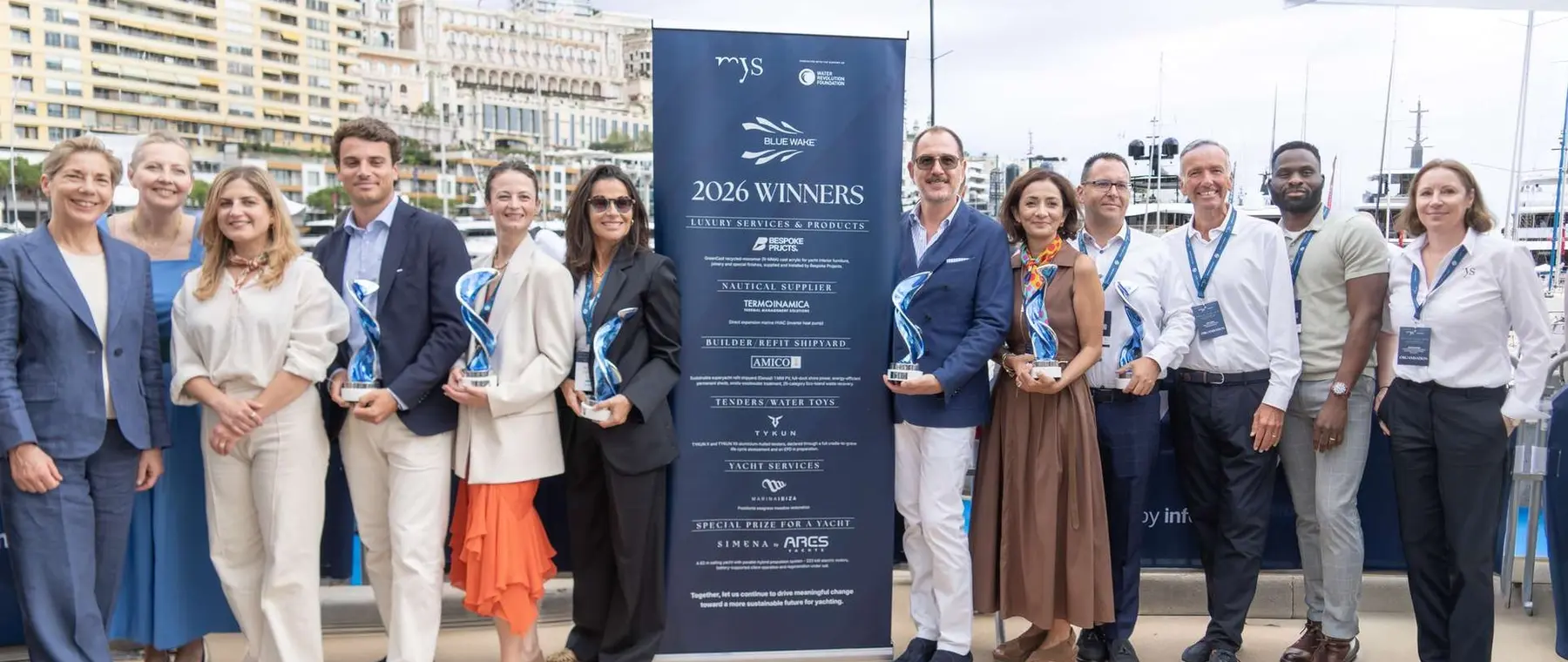
A marine habitat project receives industry recognition
Marina Ibiza has won the 2026 Blue Wake Award in the Yacht Services, Brokerage and Charter category for its work restoring Posidonia oceanica seagrass meadows. The marina's partnership with the Vellmari Association has been operating since 2021, with approximately 86,000 plants reported as replanted.
The project concerns habitats that are particularly relevant to recreational cruising in the Balearic Islands. Yacht owners visiting Ibiza often seek sheltered anchoring, but anchors and chains can damage slow-growing seagrass where vessels stop without appropriate guidance.
The reported survival figures are significant
Organisers say the replanted area covers nearly 3,000 square metres and that survival exceeds 90 per cent. Divers have recorded 28 species within restored zones and use repeat surveys along defined transects to monitor the continuing condition of the habitat.
Such measurements matter because restoration projects should not be evaluated only by the number of plants put into the seabed. Survival, growth and the return of associated marine life help provide evidence that the work has produced a functioning habitat.
Why Posidonia matters around Ibiza
Posidonia meadows support fish and other marine life, help stabilise seabed sediment and contribute to the functioning of the coastal ecosystem. Their slow growth makes damage difficult to reverse on a short timescale.
For private yacht owners, choosing an appropriate anchoring location is therefore a practical environmental responsibility. Charts, local regulations and the guidance of marina staff can help identify areas in which anchors may be used without damaging protected vegetation.
Blue Wake uses technical evidence
The award programme forms part of the Monaco Yacht Show's work on more sustainable practices across the marine industry. Applications were examined by the Water Revolution Foundation, with organisers reporting sixty validated projects across several award categories.
Although the event itself includes much larger superyachts, Posidonia protection applies across the recreational fleet, including the 12-to-24-metre motor and sailing yachts covered here. The same principle applies whether damage is caused by one heavy chain or repeated anchoring by smaller craft.
Restoration is not a substitute for prevention
Replacing damaged plants can help repair localised areas, but a healthy seabed also depends on preventing further disturbance. Mooring systems and clear information for visiting skippers are important complements to replanting work.
Owners should not assume that any stretch of clear water is a suitable place to drop anchor. Responsible passage planning includes verifying restrictions and choosing a location that is safe for the vessel as well as appropriate for the marine environment.
Long-term monitoring remains essential
The award acknowledges measurable progress rather than declaring the habitat permanently restored. Continued surveys will be needed to understand how the replanted meadows respond to storms, vessel activity and changing environmental conditions.
For marina users, this is an example of how a local service business can support conservation in the waters on which its customers depend. The programme's reported results offer a positive signal while underlining the continuing need for careful anchoring and habitat protection.