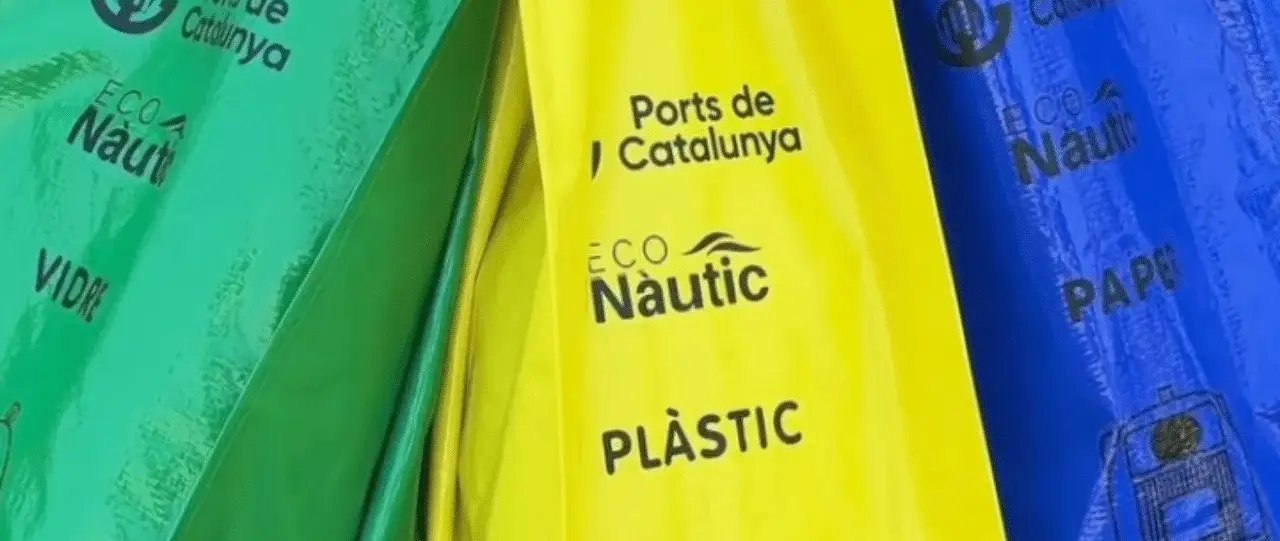
A practical milestone across Catalan ports
The regional ports association says more than 6,000 bags have now been handed to boat owners and other harbour users. The initiative forms part of ECONàutic, which encourages better environmental practice across Catalonia's recreational marinas.
The milestone measures the number of bags distributed, not the total mass of waste actually recycled. That distinction matters when assessing the environmental impact of a programme intended to influence behaviour over time.
Separating waste before reaching shore
Confined yacht galley spaces can make waste management difficult, especially during longer cruises when packaging and bottles accumulate. Providing suitable bags helps crews organise different waste types rather than sort a mixed collection at the end of a passage.
The local scheme covers glass, plastics and paper, with the intention of connecting onboard separation to recycling arrangements ashore. Crews must still confirm which materials are accepted in each port's individual collection facilities.
Relevance to yachts carrying guests
Even a 12-to-24-metre cruiser may produce significant waste during an active holiday. Guests cooking aboard, using bottled supplies or entertaining friends can increase the amount of packaging that needs proper storage.
A simple routine works best when clearly marked containers are easy to reach and cannot spill underway. Waste containers should remain secure in rough conditions and should not obstruct escape routes or essential equipment.
Port facilities are part of the solution
Onboard sorting helps only when marinas provide accessible and correctly labelled recycling points. Port operators therefore have a role in explaining what happens after crew members carry their bags down the gangway.
Information about local recycling can also reduce contamination between different collection streams. Harbour staff may need to clarify unusual items that do not belong in general packaging containers.
Small actions across many berths
Ports de Catalunya represents recreational port interests in a region that hosts substantial numbers of visiting and resident yachts. Spreading similar routines across many facilities can make environmental practices more familiar to travellers moving between marinas.
The success of any voluntary scheme depends on continued participation and suitable downstream processing. Numbers of distributed bags are a useful starting indicator but not a substitute for measured disposal outcomes.
A useful ownership habit
The ECONàutic result is an example of marina-led improvement that does not depend on expensive technical equipment or major modifications to a yacht. Its main requirement is a consistent approach by owners, guests and crew.
For boats exploring the Catalan coastline, the initiative is a reminder to plan for waste storage alongside water, fuel and provisions. Operators should follow the local marina's disposal instructions and maintain proper records when handling regulated waste.