EU strategy puts pleasure-craft certificates on the policy agenda
The European Commission’s Sustainable Tourism Strategy, presented on 4 November 2026, includes a remarkably practical issue for travelling yacht owners: the uneven recognition of recreational boating qualifications between countries. In its policy communication, the Commission identifies licence recognition as a barrier experienced by people moving through the European Union by leisure boat. It says it will seek a common approach through a proposal for a Council Decision on the application of UNECE Resolution No. 40, the international certificate framework for operators of pleasure craft.
That statement is an intention to pursue policy coordination, not a new licence accepted everywhere today. A sailor leaving one EU country for another should not treat the announcement as immediate permission to command a vessel. National regulations, insurance terms, charter requirements and any qualifications associated with a particular boat remain relevant until competent authorities change the applicable rules.
Why the announcement matters to 12–24-metre yacht owners
Luxury Yacht Guide concentrates on yachts from 12 to just under 24 metres: boats substantial enough to undertake international cruising, yet frequently operated by private owners rather than full commercial crews. This makes the boundary between personal boating qualifications and professional certification particularly important. A family sailing a fifteen-metre cruising yacht across the Mediterranean needs clarity about what documentation is accepted at each point of departure and arrival, especially when charter arrangements, local hire or insurance are involved.
Recognition problems can affect far more than the helm. Owners planning a season may need to organise training before departure, check their insurer’s navigational limits, retain translated documents and engage local representatives when country-specific procedures differ. A common standard could simplify the research burden, although the strategy provides no final timetable for implementation and should not be represented as doing away with local requirements.
What UNECE Resolution No. 40 actually represents
The reference to UNECE Resolution No. 40 is significant because it concerns the International Certificate for Operators of Pleasure Craft, often abbreviated ICC. This is an internationally recognisable format tied to the holder’s competence, the type of craft and, where applicable, inland-waterway knowledge. Its use depends on which states apply the resolution and on national rules. It does not constitute a universal substitute for every coastal licence, flag-state requirement, commercial qualification or insurance condition.
The Commission’s proposed route points towards better acceptance between jurisdictions, but harmonisation is a process involving governments and implementing rules. Owners should distinguish between the certificate itself, the national authority that issues or recognises it, and a destination’s current treatment of visiting skippers. It would be misleading to say that all EU countries are already operating a single licence system simply because the Commission has announced an ambition to improve it.
The wider tourism package goes beyond paperwork
The European strategy aims to help tourism destinations handle pressure while improving the conditions in which small businesses operate. The Commission highlights digital tools, data, workforce skills and more balanced visitor flows. Those ambitions can be relevant to the marina economy, where ports, maintenance providers, charter businesses and shoreside hospitality depend on both reliable local infrastructure and visiting crews’ confidence. Recreational boating is not the entire focus of the strategy; it is one identifiable strand within a much broader tourism policy.
For marina managers, a more predictable experience for visiting boats could make destination planning easier, but any gain would depend on adoption and implementation. Berth availability, waste reception, electricity, security and local coastal protections remain separate practical constraints. Removing paperwork friction does not create new moorings overnight, nor does it change harbour depth, weather patterns or protected-area anchoring rules.
What has been confirmed — and what has not
The evidence comes from two primary European Commission materials: its 4 November public announcement and the underlying Sustainable Tourism Strategy communication, COM(2026) 777 final. The announcement confirms that the strategy has been presented; the communication sets out the proposed certificate-recognition approach. Neither source states that the Commission has issued a new recreational-boating certificate, that every existing licence will automatically be valid abroad, or that all maritime enforcement authorities must immediately change their procedures.
The strategy’s language matters. A proposed Council Decision is a future institutional action requiring the relevant legislative and administrative steps. The effect on an individual skipper will depend on the eventual text and the rules that follow. For now, this is a policy development with credible potential relevance, not an enacted operating instruction for a yacht preparing to depart tomorrow.
A practical cross-border paperwork check
Owners can use the announcement as a prompt to organise existing records. Before a multi-country voyage, confirm the applicable registration and flag details; the skipper’s evidence of competence; any separate radio-operator certificate; proof of insurance and stated cruising area; and documents associated with the vessel’s safety and customs status. For a charter yacht, the contracting company and local authority may impose an additional checklist. Those checks should be completed against official current guidance for each intended jurisdiction.
Keeping electronic copies can help with access on board, but originals or specific forms may still be required by an authority or insurer. The practical aim is traceability: crew should be able to show which document answers which question. A published EU strategy should never be relied upon as the only document in a compliance folder or as a defence against an established local requirement.
Different models of yacht use create different questions
A privately owned fifteen-metre sailing yacht, a twenty-metre motor yacht with hired crew and a commercially chartered catamaran can face very different qualification requirements even when visiting the same harbour. The relevant distinctions may include the skipper’s status, commercial use, gross tonnage, operational area and the requirements of flag and coastal states. Any eventual recognition reform will need to be understood within those existing divisions rather than viewed as a single magic licence for every kind of operation.
Many owners also share the helm with friends or family. A competency record for one person does not necessarily authorise every other person on board to act as skipper, and qualifications do not remove the need for familiarisation with the yacht. Training and prudent passage planning remain essential. The policy conversation addresses administrative recognition; it is not a statement that navigation skills or sea-safety standards can be relaxed.
Potential implications for charter operators and marinas
Charter operators regularly evaluate whether a prospective client’s credentials satisfy local rules before accepting a bareboat booking. If recognition eventually becomes clearer across borders, the administrative process could become less repetitive, particularly for operators serving clients from several countries. Yet the announcement gives no new permission to dispense with existing vetting. The operator remains responsible for its obligations today, and a recognised document may still need to be paired with demonstrated experience.
Marinas and destinations may also benefit from more consistent visitor information. Cruising guides, reservation confirmations and harbour offices can help guests by publishing accurate requirements and pointing to official sources. That becomes especially useful for owners moving between multiple jurisdictions over a summer season. The opportunity is to reduce avoidable confusion without overstating what has changed.
Europe’s approach to tourism has a seasonal dimension
The Commission’s strategy emphasises helping destinations manage visitor demand throughout the year rather than concentrating every benefit in a short peak season. Yacht tourism illustrates the challenge. High-summer pressure on a harbour can coexist with quieter shoulder months, and environmental conditions may determine where vessels can safely and legally anchor. Better coordinated visitor information might support more thoughtful cruising choices, though it cannot remove local ecological limits.
For owners of mid-size luxury yachts, the most useful future policy will be one that combines predictable paperwork with honest, accessible information about ports and coastlines. It should help a skipper identify where the boat is welcome, which services are available and which protections apply. That is a broader goal than the administrative certificate issue, but the two belong to the same visitor journey.
What happens next
The next milestone is a concrete institutional proposal and an explanation of its effect on existing licence holders. The Commission has signalled the direction it wants to pursue; the terms, participation and transition arrangements remain to be worked out. We will follow whether the eventual decision addresses visiting leisure craft consistently, what national exceptions remain and whether competent authorities publish clear, harmonised guidance for private yacht operators.
Until then, the correct message for a 12–24-metre yacht owner is cautious encouragement. The subject has been recognised at European policy level, which matters. The everyday rule remains straightforward: before entering another country’s waters, check that country’s current official guidance and confirm the position with the insurer and, where relevant, charter provider.
Sources, context and photograph
Primary sources: European Commission, Directorate-General for Mobility and Transport, 4 November 2026; European Commission, EU Sustainable Tourism Strategy, COM(2026) 777 final, 4 November 2026. The discussion of consequences for mid-size yacht owners is editorial analysis, not a representation of enacted law. Owners should obtain current advice from the national maritime authority for their specific itinerary.
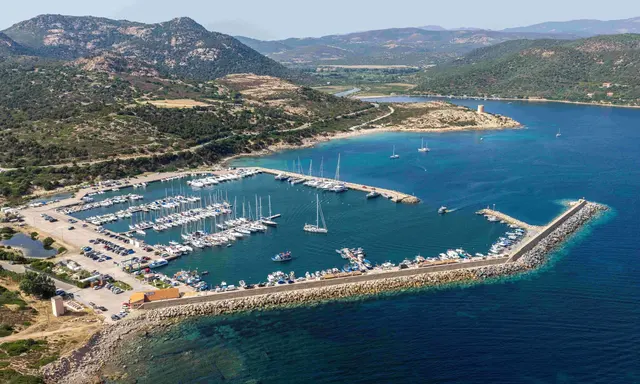
The photograph is a licensed contextual coastline/harbour image and does not depict the European Commission, a meeting or a new certificate. Its purpose is to illustrate the nature of European recreational cruising while preserving the distinction between confirmed policy text and the implications considered here.