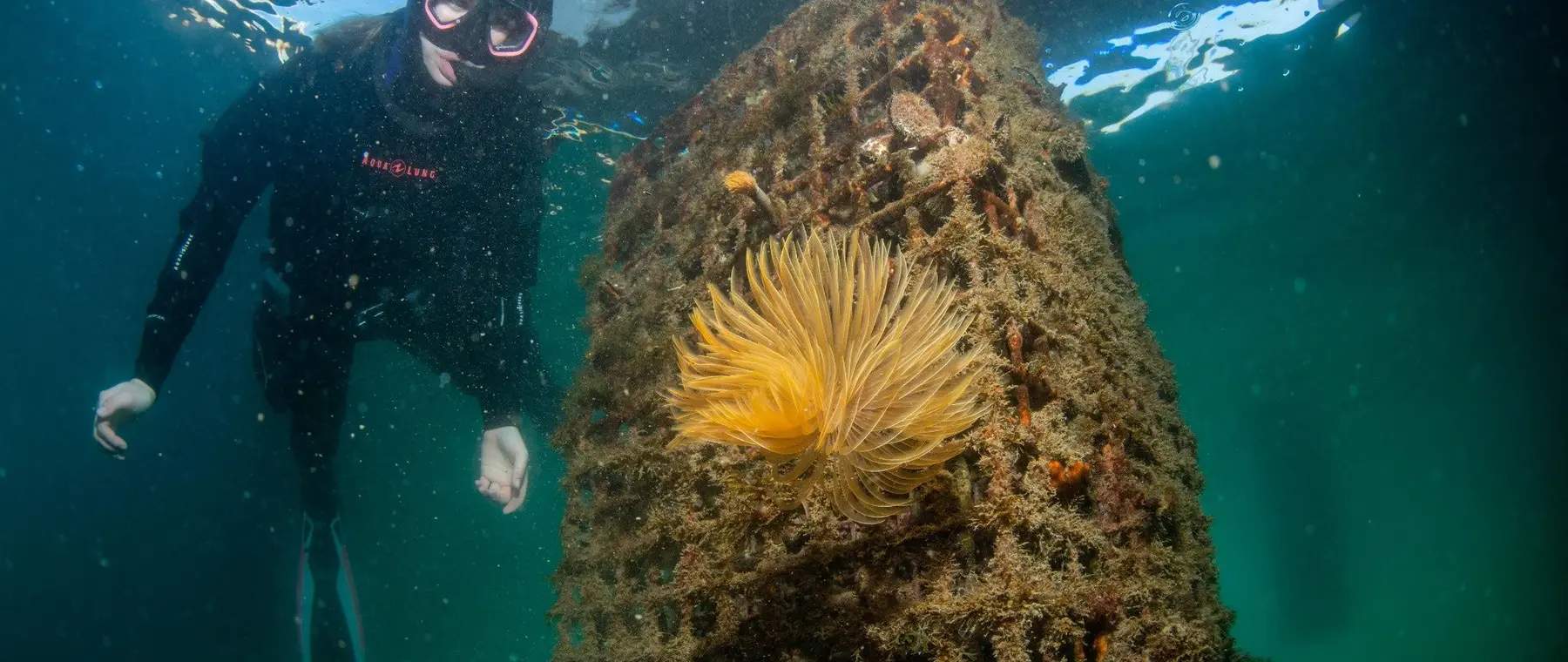
D-Marin has won Best CSR Initiative at the 2026 Cannes Yachting Festival Innovation Route Awards for its Biohuts programme with Ecocean, which uses artificial nursery habitats inside marinas to support juvenile fish. The award recognises an environmental intervention that changes the marina itself rather than asking yacht owners to carry the entire sustainability burden onboard.
Biohuts are designed to provide shelter and feeding areas in environments where natural shallow-water nursery habitat has been altered by harbour walls, pontoons and other infrastructure. D-Marin says the programme is being introduced across marinas in France, Italy, Greece and Croatia.
Marinas can be nurseries as well as parking places
Coastal development can reduce the complex habitat juvenile fish use for protection during vulnerable early life stages. Biohuts attempt to recreate some of that structural refuge within working marinas, giving young fish spaces where they can shelter while remaining within an active harbour environment.
The concept is not a substitute for protecting natural habitat, and its ecological value depends on appropriate placement and monitoring. It does, however, offer marina operators a practical way to improve biodiversity within infrastructure that already exists.
D-Marin is working with Ecocean across four countries
D-Marin's 2026 sustainability programme identifies France, Italy, Greece and Croatia as the initial countries for its Biohut work with Ecocean. That geographic spread matters because it turns the initiative from a single showcase installation into a programme that can be compared across different marina conditions.
For yacht owners, the effect is indirect but still relevant. Marina selection increasingly includes environmental quality, water management, energy use and the condition of the surrounding coast, particularly for owners who spend extended periods in one home port.
The CSR award broadens the definition of yacht innovation
Cannes placed the Biohuts programme in a separate corporate-responsibility category rather than comparing it with navigation hardware or new boats. That makes sense because the project is primarily about how a marina business manages its environmental footprint and relationship with the coastline.
The distinction is useful for readers as well. A biodiversity programme should be judged by ecological outcomes and transparent monitoring, not by the same criteria used for a new chartplotter, propulsion system or yacht design.
What to watch as the programme expands
The next important evidence will be data showing how many habitats are installed, what species use them and whether monitored survival or biodiversity indicators improve over time. Those results will matter more than the award itself when assessing the programme's long-term value.
Even so, the Cannes recognition highlights an area that deserves more attention in yacht ownership. Marinas are part of the environmental system in which yachts operate, and their management choices can influence water quality, habitat and the quality of the cruising environment around them.