Beneteau points to a barrier beyond the purchase price
Groupe Beneteau chief sales officer Yann Masselot has argued that the recreational marine industry needs to do more to make boating feel accessible to people who have not previously owned a yacht. In comments reported on 14 October, he identified perceived complexity as an obstacle alongside price, suggesting that newcomers need clearer ways to understand what boating entails.
The message comes at a time when manufacturers are responding to a more demanding retail environment and buyers have greater opportunity to compare alternatives. A yacht can offer an attractive escape, but the prospect of learning navigation, maintenance, berthing arrangements and ownership rules may discourage somebody who has never operated a boat.
Masselot’s argument is that builders and dealers should make the experience less intimidating, rather than assuming that only experienced captains will be comfortable making decisions. That idea has implications for product design and for the service available after a sale.
Ease of use is more than touchscreen controls
Beneteau has for several years promoted a combination of onboard systems and dealer-based customer support intended to simplify the learning process. Its published consumer guidance explains how equipment integration, training and post-delivery help can make ownership less overwhelming for somebody entering the market.
Centralised digital controls can reduce the number of separate operations required to manage equipment, but an intuitive display does not replace seamanship. Owners still need to understand how systems behave in a fault condition and how to carry out basic checks when the automation is unavailable.
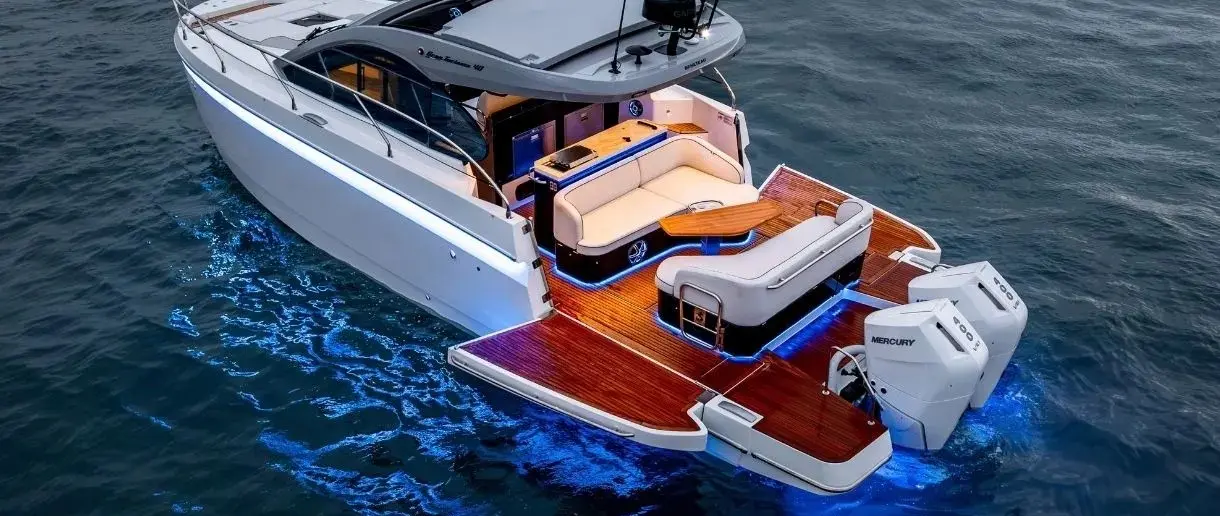
Good ergonomics can make a boat pleasant to operate without disguising responsibilities. Clear deck movement, sensible helm sightlines, accessible maintenance panels and legible documentation often matter more in daily use than the number of functions available through one screen.
Pricing and model choice influence participation
Masselot’s comments also address affordability and the need for products whose price points reflect a wider range of buyers. Lower initial cost may bring some customers into boating, but it should not be presented as the only answer because marina fees, maintenance, insurance and fuel are substantial parts of the total ownership decision.
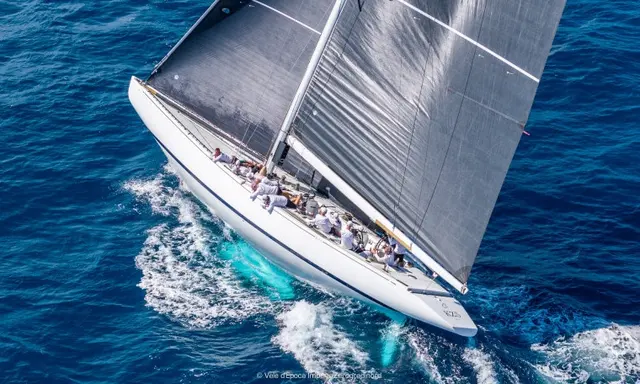
The group operates across sailing yachts, cruisers and motorboats, giving buyers a range of approaches to life on the water. A family interested in occasional weekends may need a different level of accommodation and equipment from a couple planning extended Mediterranean passages, even when both are looking at attractive contemporary designs.
For buyers considering a luxury yacht in the twelve-to-twenty-four-metre sector, the challenge is choosing enough space and capability without adding complexity that undermines enjoyment. Comparisons should therefore include the way a yacht will be handled, maintained and stored, rather than only its maximum guest capacity.
Dealers have a central role after delivery
Beneteau’s own consumer materials place emphasis on dealer help, demonstrations, training and maintenance advice as part of the ownership experience. That is particularly important for customers who may feel confident choosing a boat but uncertain about the first season of operating it.
A structured handover can include practical familiarisation at the helm, emergency procedures, routine equipment checks and clear explanations of when professional assistance is appropriate. That is valuable to novice and experienced owners alike, because a new installation can behave differently from systems on their previous yacht.
Dealer support also needs to continue after the purchase. A warranty contact, reliable servicing arrangements and clear records of the actual equipment installed can prevent routine questions turning into more serious frustrations.
The industry must make the invitation credible
Masselot’s broader challenge to boatbuilders is to convince a potential customer that boating is an achievable interest rather than an activity reserved for a narrow group of specialists. Successful communication will need to be matched by boats and services that are genuinely practical for the intended user.
For existing owners, that shift could produce better training resources and more thoughtful onboard controls; for new buyers, it may encourage a more gradual introduction to cruising. Neither group should interpret the call for simpler boating as a suggestion that safety requirements have become less important.
The comments are a strategic industry perspective, not a new yacht launch or a specific announced price reduction. They reinforce a commercial theme that manufacturers will need to demonstrate in real products, clear cost information and dependable customer service as the market evolves.