A second victory for an 1898 yacht
The Gstaad Yacht Club Centenary Trophy returned to Saint-Tropez for its fifteenth edition in October, attracting close to twenty yachts more than a century old. Kismet crossed the finish line at 16:09:59 to claim the 2026 award, four years after her previous success in the competition.
The race is staged as part of Les Voiles de Saint-Tropez and provides a distinctive contest for sailing heritage. Rather than dividing yachts solely into conventional speed classes, it uses staggered starts intended to give very different historic designs a competitive race.
Kismet sits squarely in the 12-to-24-metre market
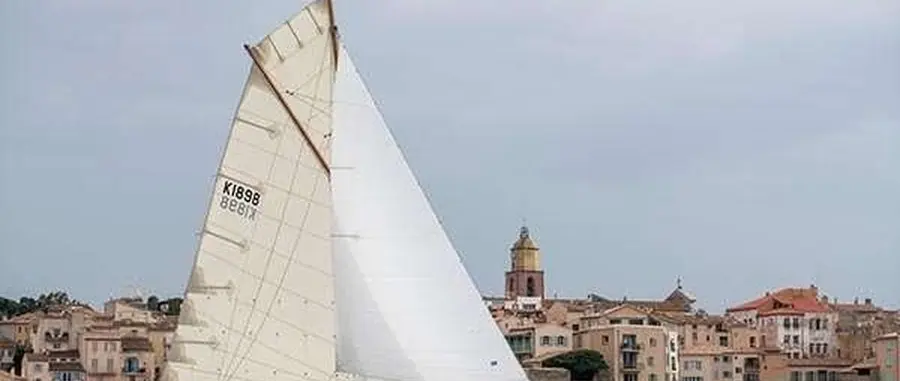
The organising club records Kismet as a 16.09-metre gaff cutter, designed and built by William Fife in 1898. That overall length makes her a particularly relevant example of the classic sailing yachts covered by Luxury Yacht Guide.
Her age and size underline why ownership cannot be judged only by contemporary accommodation standards. Traditional hull form, rigging layout and the practical demands of operating a restored wooden yacht all influence what life aboard is really like.
A light-air course rewards patience
The fleet sailed a nine-nautical-mile course off Saint-Tropez under extremely light winds. Kismet was third to leave the start area and took the lead before several rivals struggled to find sufficient wind around the marks.
In a pursuit race, the start times are staggered according to the handicapping system, so the first yacht home takes the result. That can place a premium on reading faint shifts and maintaining momentum rather than relying on the largest sail plan.
A cutter preserved through difficult decades
Kismet's long life has not been uninterrupted active racing. The vessel survived a period as a houseboat in the West Mersea mud and later underwent extensive restoration before returning to classic sailing events.
Recommissioning a vessel of that vintage involves far more than a cosmetic refit. Structural timber, ballast, rigging, deck details and the integrity of the original character can all demand specialist craftsmanship and careful research.
Historic boats and present-day seamanship
Owners and crews of classic cutters navigate with the same need for sound weather judgement and clear communications as sailors on modern production yachts. They also operate equipment that may be less forgiving of hurried manoeuvres or untrained crew.
The Saint-Tropez event draws attention to seamanship as part of preservation. A fully maintained yacht stays a living vessel rather than a static museum object, though continued operation inevitably requires appropriate maintenance expenditure.
What this victory represents
Kismet succeeded Leonore, the 2025 trophy holder, and joined a list of winners that includes several celebrated historic yachts. The outcome was confirmed by the organisers after the autumn race rather than being a speculative result.
At 16 metres, Kismet demonstrates that compelling yachting news is not reserved for ever-larger newbuilds. Her return to victory is a story about preservation, performance and the lasting appeal of a carefully restored sailing design.