More than 1,800 boats gather in Trieste
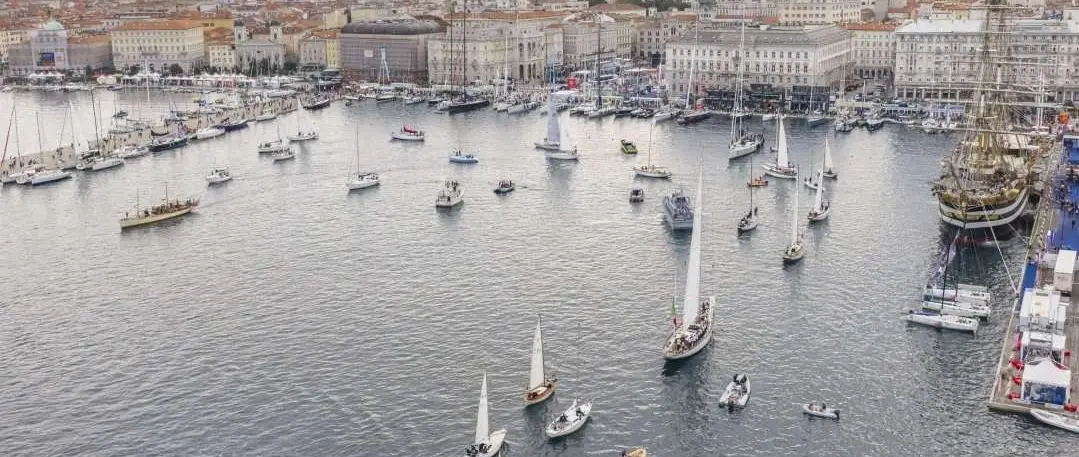
Barcolana58 closed its registration period with 1,858 sailing boats entered for the annual race in the Gulf of Trieste on Sunday 11 October 2026. The figure, released by the organisers ahead of the start, highlights the event's unusual breadth, drawing private owners and club sailors into the same waterfront celebration as professional teams.
The large turnout is important to the recreational sailing market because it demonstrates that competitive sailing need not be confined to expensive professional campaigns. A boat that normally serves an owner for cruising may also take part in a major sporting gathering with the right preparation, crew and safety arrangements.
A fixed course with demanding traffic management
The published route is approximately 13 nautical miles, beginning between Barcola and Miramare, turning offshore and then returning towards the city's waterfront finish. Its geometry creates long sightlines but also concentrates a very large fleet around turning marks and a narrow approach to the line.
For a typical owner-operated sailing yacht, positioning can matter as much as pure hull speed. Crews need to plan starts, maintain an effective lookout and communicate clearly when several boats approach the same mark at different speeds.
Trieste turns the race into a wider festival
The Barcolana Village, Piazza Unità d'Italia and surrounding waterfront host the people who travel to the city for the race, giving the event an economic and social presence well beyond the marina. Shops, restaurants and accommodation providers become part of the weekend's experience.
A sailing festival of this scale also introduces new visitors to the sport. People watching the start from shore can see the contrast between small club boats, cruising yachts and larger specialist racers, all working with the same basic forces of wind and water.
Why size does not tell the whole story
Barcolana is famous for allowing very different vessels to share a broad event. Large high-performance yachts attract cameras and attention, but private crews operating boats in the mid-size sector are central to the event's character.
Participation requires navigation preparation, suitable equipment and a realistic understanding of a crew's experience. An owner should not treat the advertised fleet size as a reason to take unnecessary risks in congested water; event rules and prudent seamanship remain essential.
Race day followed the final registrations
The final registration report preceded the race by one day. The organisers subsequently confirmed that Arca SGR of the Fast and Furio Sailing Team was first across the finish on 11 October in a time of 1 hour, 5 minutes and 9 seconds; that large racing yacht is a separate class of vessel from most luxury cruisers covered by this publication.
For this report, the significant LYG storyline is the turnout and participation of the wider fleet, rather than presenting the overall winner as a 12-to-24-metre model. The event results should be consulted directly for individual class positions.
An enduring expression of owner sailing
Barcolana creates opportunities for yacht owners to meet other crews, compare equipment and experience a major sporting occasion without committing to an entire professional racing season. Those benefits can be as meaningful as the finishing order.
The October race has now taken place, and this article records the confirmed entry figure and the broader sailing context rather than a future preview. Owners contemplating a later edition should follow the event's official notices for rules, registration and mooring arrangements.