Hilton creates a second way to stay near campus
Hilton introduced Undergraduate by Hilton earlier in 2026 as a new hotel brand intended for university and college towns. The company describes it as an upper-midscale complement to its existing Graduate by Hilton collection, which occupies a more individually designed, upper-upscale position. Undergraduate's development plan is deliberately flexible, allowing both new construction and conversion of existing properties. The first hotel is anticipated in 2027, so the announcement does not establish that travellers can currently reserve a room at an operating Undergraduate property. Although the source is an earlier 2026 company announcement rather than breaking news on 25 November, it is relevant to future luxury and family travel because important journeys are not always arranged around a beach or major city. Parents, alumni, visiting lecturers and supporters of college sport often need reliable accommodation in smaller markets where hotel choice can be limited. The brand aims to address a specific pattern of travel rather than replicate a luxury resort.
The difference between Undergraduate and Graduate
Graduate by Hilton is associated with highly individual properties reflecting the identity of the town or university around them. Undergraduate is intended to be more repeatable and development-efficient, while still allowing touches that relate to local campus culture. Hilton describes Graduate as upper-upscale and Undergraduate as upper-midscale, an important distinction for travellers comparing services and prices. A brand name can suggest an atmosphere, but does not guarantee a particular restaurant, spa or meeting room at every location. The exact balance of services will depend on the property that is eventually developed. The company wants the two brands to serve different needs rather than compete only on price. A family attending a graduation may value convenience and sufficient space, while a visitor planning a long, elaborate stay may prefer another type of hotel. The appeal of the concept will be tested by how well individual properties combine character with comfort and practical usefulness.
Campus towns have distinctive travel demand
A university town can experience intense peaks in accommodation demand around graduation, sports events, family weekends and conferences. A relatively quiet weekday may be followed by a weekend when hotels are difficult to reserve and transport becomes more complicated. Hilton identifies students, families, alumni, sports fans and business guests as potential users of the new brand. These groups have different preferences, so one standardised design cannot automatically satisfy everyone. A parent arriving with luggage and children may care about parking and room configuration, while a visiting academic may need dependable connectivity and a quiet workspace. The announcement's argument is that a hotel can be connected to the life of its community without requiring the expense of a fully bespoke luxury property. Whether that balance works will depend on where hotels are built and how their operators respond to local patterns of use. Being close to campus is valuable only when the actual location and access suit a guest's plans.
The social hub as a design intention
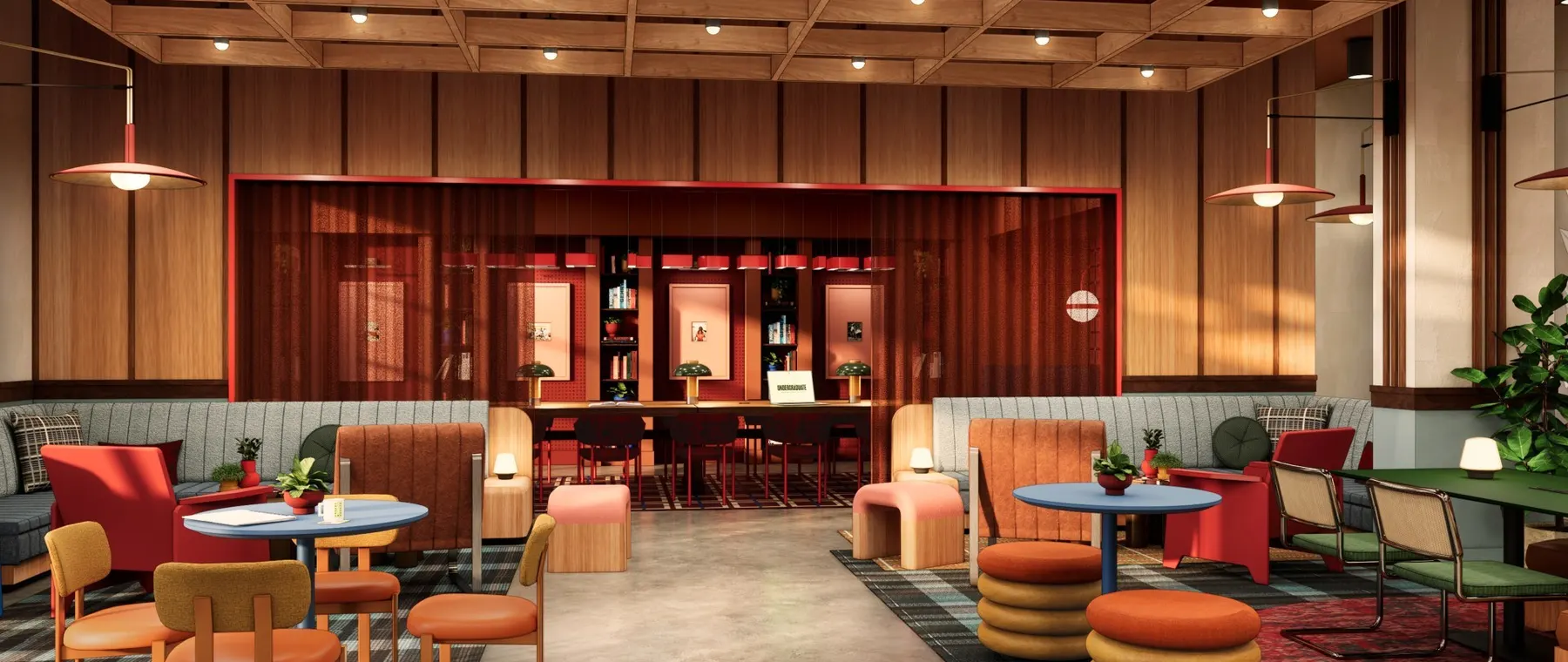
Hilton presents Undergraduate properties as possible off-campus social hubs, where travellers and residents can meet or work without the formality of a conventional luxury hotel. Public spaces, coffee and food service may be important to that ambition, but the original launch does not guarantee identical facilities at all future locations. A lobby that welcomes a range of visitors can strengthen the relationship between a hotel and its neighbourhood. It can also introduce practical challenges, including noise management, seating availability and maintaining privacy for registered guests. A good social space needs thoughtful design and clear operating procedures rather than simply a lively visual theme. Some university communities have longstanding independent cafés and meeting venues that should not be displaced or ignored in the hotel's story. The strongest local identity may emerge from complementary relationships with existing businesses and cultural events, not from reproducing the same decorative symbols in every town.
A flexible development model
The company says Undergraduate will support both newly built hotels and conversions of suitable existing buildings. Conversion can make use of an established structure and potentially bring a property into operation without building from an empty site, but the practical value depends on condition, layout, regulations and development costs. New construction offers other opportunities to plan guest circulation and room distribution. Neither approach is automatically more sustainable or affordable. The announcement refers to a structured, scalable design framework meant to help owners manage investment and efficiency. It does not identify every future site, secure all local approvals or establish final construction costs. Hotel development also requires skilled operators, staff and local services once a building is ready. For travellers, the eventual result matters more than the developer's preferred procurement model. The promise of consistency must be evaluated against the character, condition and management of individual properties.
Four hundred to five hundred hotels is an ambition
Hilton says the brand has long-term potential for 400 to 500 hotels. This is a development opportunity estimate, not a list of signed and functioning properties or a guarantee that all will open. The first Undergraduate property is anticipated in 2027, which remains an expectation subject to actual projects. The announcement also outlines broader growth plans for the company's lifestyle portfolio, describing an ambition to reach around 700 hotels globally by 2028. Such figures may be useful for understanding corporate strategy, but forecast horizons and economic conditions can change. Owners, developers and communities will each determine whether a particular site makes sense. A traveller should not assume that a hotel will be available at a specific university simply because it fits the brand's target market. The difference between prospective scale and completed inventory is essential in hospitality reporting.
Familiar branding and individual campus character
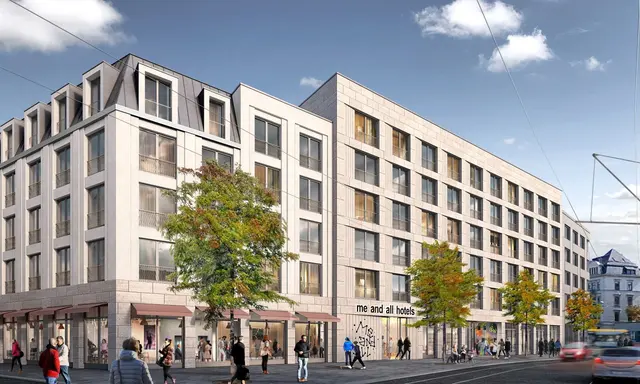
The design challenge is to give Undergraduate a recognisable identity while avoiding a repetitive look disconnected from each community. Hilton proposes a framework that allows local influences within a more standardised set of development principles. This may include references to campus traditions, regional materials or the social activity of the surrounding town, although specific decorative choices are not universal. An official concept rendering can illustrate the intended style, but it cannot be treated as a photograph of an operating property. Individual hotels may differ in scale, architecture and public spaces. Some might occupy converted buildings while others are purpose-built. The best measure will be whether a visitor feels comfortable and can understand the property's relationship with its surroundings without relying on decorative clichés. A coherent brand provides expectations about service; a credible local identity requires work at each address.
Hilton Honors creates another travel connection
The company intends Undergraduate to participate in Hilton Honors, giving qualifying travellers opportunities to earn and redeem points according to programme terms. The launch refers to a membership base exceeding 250 million at the time of the announcement. Such scale can make the new brand visible to existing customers, but an individual stay's earning rate, benefits or redemption availability will depend on the current rules. Membership figures also should not be mistaken for the number of people who will use Undergraduate hotels. A traveller arranging several university visits might appreciate being able to use a familiar booking platform, especially when a family divides time between different cities. Yet loyalty convenience should not outweigh the suitability of the hotel's actual location, room and cancellation conditions. Prospective guests should compare the available properties when the brand begins to operate, not reserve based on a rendering or a future development estimate.
Why this is part of a broader travel economy
University travel includes more than visiting prospective students. Graduations, reunions, conferences, sporting events and performing-arts programmes can attract guests from across countries and regions. Those visitors may combine the campus occasion with a wider trip that includes leisure or time with family. A hotel that understands the academic calendar can respond with practical service choices, though its success depends on staffing and real local knowledge. For yacht owners, the connection is indirect but relevant: families involved in education or cultural activities often travel beyond established coastal destinations. An upper-midscale university-town property is not a superyacht hotel or a luxury resort, and it should not be presented as such. Luxury Yacht Guide includes the brand as a development in the broader choices available to internationally mobile households, with its price position and limitations made clear rather than inflated.
Operational details will determine the real experience
Once properties open, the essential questions will involve room comfort, sound insulation, accessibility, dining, parking, staff knowledge and the reliability of reservations during peak university weekends. A strong corporate concept does not guarantee that every independent or franchised operator will execute it identically. A hotel might work well for a two-night campus visit yet be less suitable for a large conference, or the reverse. Individual property descriptions will need to explain services accurately. Families travelling with children may require connecting rooms or specific bed configurations, which should be confirmed rather than assumed. Guests arriving for sporting events should plan around traffic and venue access. None of those practical details can be established for a property that has not yet been named and opened. The launch is a starting point for future comparisons, not a substitute for them.
A 2026 launch, with first openings still ahead
The verified source establishes Undergraduate by Hilton as an upper-midscale brand announced during 2026, intended for campus-connected markets and complementing the established Graduate by Hilton portfolio. The company describes a flexible approach using new construction and conversions, a potential development runway of 400 to 500 hotels and a first opening targeted for 2027. It also outlines participation in Hilton Honors and a broader ambition to expand its lifestyle hotel portfolio. These are first-party plans, not completed hotel openings or assured future results. Luxury Yacht Guide presents the story as a retrospective look at an announced hospitality strategy while clearly distinguishing the publication date from the age of the original news. The accompanying lounge image is an official concept rendering, not a photograph of an existing Undergraduate hotel, and the original publisher's rights are acknowledged. Future stories can report specific openings, locations and service details when they have been independently confirmed.
Sources and image credits
Reporting based on Hilton first-party May 2026 Undergraduate by Hilton brand announcement, discussed as background rather than breaking news.
Lead rendering: Undergraduate by Hilton Plans a New Generation of College-Town Hotels — official first-party press visual, LYG Lifestyle batch02 25 Nov 2026. © Hilton and the original visualisation creators; official conceptual rendering illustrating the not-yet-open Undergraduate brand. Original official image source.