A company ranking with a human-service context
Hilton has announced that it was named number one on the 2026 World’s Best Workplaces list compiled by Fortune and Great Place To Work. The company says it has held the highest position three times, including in consecutive years, and identifies itself as the only hospitality company to have led the list. The announcement also presents research on the backgrounds of hotel managers and the value of frontline employment. This is a workplace recognition story, not a guarantee that every Hilton hotel delivers identical service or that independent inspectors have reviewed every guest interaction. It is relevant to international hospitality because the experience of a traveller depends heavily on the people who work in hotels, restaurants and support roles. For the luxury travel sector, workforce development can be as significant as an impressive building or celebrated chef. At the same time, employee survey results and corporate career figures must be identified for what they are: measures reported within a defined research and recognition framework.
Frontline roles are often the starting point
Hilton says an internal survey found that 93 per cent of its hotel leaders began their careers in frontline positions. Nearly two-thirds, reported as 67 per cent, obtained their first management role within three years. These are striking figures, but they describe the group of leaders surveyed rather than the probability that any new employee will become a manager. The distinction matters because a career can be shaped by the individual's skills, experience, country, employer, vacancies and organisational support. A hotel receptionist, chef or housekeeping worker may acquire practical expertise that later proves useful in supervision or training. However, not every worker wants to enter management, and advancement should not be the only measure of an interesting career. The company is positioning frontline work as a potential foundation for long-term opportunity. Independent assessment would consider whether progression is equitable across roles and locations and how employees themselves evaluate the support available.
The hotel contains more professions than guests usually see
Hilton notes that a full-service hotel may contain more than forty job types on average. Some are visible to the guest, including reception, culinary and concierge positions; others are less visible, such as finance, facilities, purchasing, marketing and management. Those different roles support a coordinated guest experience. A restaurant depends on procurement and hygiene as well as chefs, while a guestroom's comfort is influenced by engineering and housekeeping. The company says that 43 per cent of its corporate team members have worked onsite at a hotel at some point in their careers. It also reports that 61 per cent of hotel and corporate leadership roles were filled by internal candidates in 2025. These are operator-reported figures, not independent guarantees of promotion for a particular person. Their importance is that the organisation is highlighting practical industry knowledge as a possible route into wider responsibilities. The relationship between training and real service quality requires more detailed evaluation than a press release.
Workplace recognition has a defined methodology
The World’s Best Workplaces recognition draws on employee feedback and an assessment framework operated by Great Place To Work, in conjunction with Fortune. Hilton states that its ranking reflects positive feedback from its corporate and managed-hotel team members. Readers should distinguish this from a consumer review ranking, a certification of every franchised property or a comparison of room prices. A hotel can have employees who appreciate their work environment while still facing operational problems, and a particular guest can experience good or bad service independently of an employer's overall ranking. The award is meaningful within its specified workplace context, but its scope should not be expanded. Hilton describes recognition on the list for eleven consecutive years and ranking achievements in several regions. Such details show continuity in the assessment programme, but different survey populations, eligibility rules and market circumstances can affect comparisons over time. An editorial report should credit the recognised organisation and its declared methodology rather than label the result an all-purpose quality guarantee.
A large international workforce creates varied needs
Hilton reports having a workforce of about 500,000 people across 144 countries and territories. The company says it received Great Place To Work recognition in 73 countries in 2026, including first-place rankings in 21. A workforce of that size includes people with different education, language, employment and career circumstances. A global training policy may be common across the organisation, but the experience of implementation is likely to vary among locations and types of property. Hilton also operates a combination of managed and franchised hotels, and workforce benefits or practices should not automatically be assumed identical in every setting. Cultural context and local labour laws are central to employment conditions. For travellers moving between destinations, consistency of service can be desirable, but the people delivering that service are not interchangeable. Their knowledge of local traditions and guest needs is often a key part of what makes a stay distinctive.
Public attitudes to customer-facing careers
Hilton commissioned a Morning Consult survey that it says found 74 per cent of respondents believed the value of frontline or customer-facing employment is underestimated. Another 66 per cent agreed that frontline experience can provide a stronger route into a company than applying directly for an office role. These figures describe the views of the surveyed respondents, not a definitive finding that the same route works best for every person. A customer-facing job may encourage communication, problem solving and resilience, but practical working conditions also influence whether those abilities develop. Employers need training, fair treatment and feedback structures if frontline roles are to become useful career foundations. The research may help challenge assumptions that professional development begins only in an office, yet it should not romanticise demanding service work. The announcement is most informative when its claims are understood as a combination of internal career reporting and a commissioned public-attitudes survey.
Human connection in a changing technological environment
The workplace announcement arrives at a time when hospitality companies are adopting more digital booking, check-in and guest-service tools. Hilton's commissioned survey says many respondents consider the skills involved in customer-facing work difficult for technology to replace. That perspective is understandable: a member of staff may have to interpret a complex request, navigate an emotional conversation or respond sensitively to a guest's circumstances. Technology can assist, but a digital system may not provide all the context required for a good decision. This does not mean that hotel employees are insulated from changes in work practices or that automation has no value. Rather, the relationship between employees and new tools will shape the guest experience. For luxury travellers, a seamless stay often combines useful digital convenience with the assurance that a knowledgeable person is available. The official announcement expresses Hilton's approach; the effectiveness of the balance can only be evaluated through real operating outcomes.
Learning and career support beyond one course
Hilton says it has created more than 3.1 million learning and career-development opportunities for employees and community members since 2022. Its examples include training, mentoring, coaching, language learning and opportunities to gain qualifications. The figure describes opportunities made available within programmes, not necessarily the number of different people who completed them or achieved a particular qualification. A person may use several resources, and participation alone does not measure their impact. The company reports that 90 per cent of team members say they have opportunities to learn and grow, while 86 per cent believe they can achieve their career goals. These are self-reported perceptions, which can provide insight into organisational culture but do not replace independent analysis of promotion rates, remuneration and retention. An employee may value training even without seeking a managerial job. For a large travel organisation, the challenge is to make learning practically accessible amid varied shifts and workloads.
Benefits and the ability to travel
The company highlights its Go Hilton employee travel programme, together with benefits described as sabbatical and reset initiatives. Travel privileges can expose employees to other destinations and styles of service, potentially broadening their professional and personal experience. But the precise rates, eligibility and availability may differ, and an employee benefit should not be presented as unrestricted free accommodation. Hilton reports that 93 per cent of team members consider the company's benefits distinctive or special. That percentage reflects survey views within the organisation. The usefulness of a benefit depends on individual circumstances: a person with family responsibilities may value scheduling flexibility differently from someone who wants to travel frequently. The broader editorial point is that employers are competing not only through salary but also through learning and lifestyle support. Whether a package meets an individual's needs requires careful consideration of its actual terms and local employment conditions.
Luxury guest service depends on colleagues behind the scenes
A well-run yacht or hotel depends on teamwork, and many lessons from hospitality workforce management are relevant across the luxury travel economy. Guests may notice a concierge's advice or a chef's creativity, but the quality of an experience also depends on communication between reservations, housekeeping, engineering and catering. Good employee development can support those relationships, although the Hilton release does not prove a quantified improvement in guest satisfaction caused by its workplace recognition. For a private yacht, different operating structures, labour conditions and qualifications apply; one cannot simply transfer a hotel employee ranking to an onboard crew. The common issue is the importance of trained, respected people who understand their responsibilities. A meaningful luxury experience is produced through repeatable attention to detail, not just one impressive interaction. Recognition of the workforce can therefore be relevant to readers interested in how travel services are delivered, provided claims remain proportionate.
The ranking and its limitations
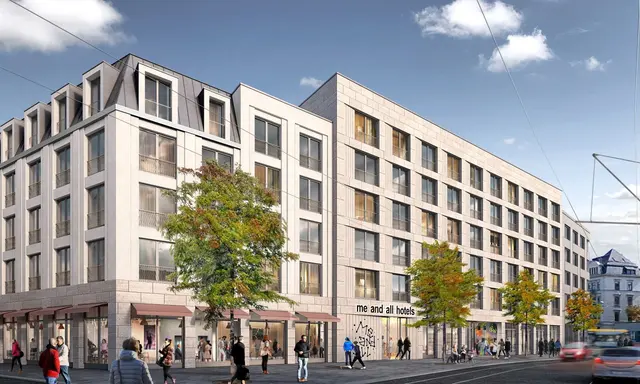
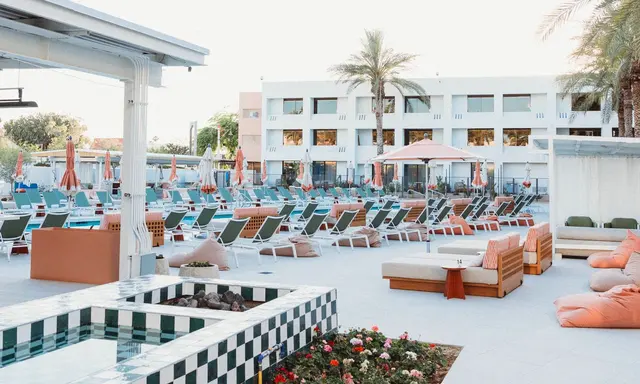
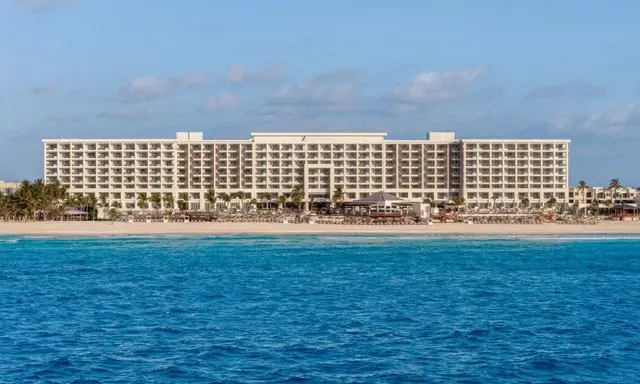
The confirmed development is Hilton's announcement of the top position in the 2026 World’s Best Workplaces list, alongside first-party career figures and commissioned research about frontline employment. The company reports high proportions of current leaders who began on the frontline, notable internal hiring and widespread participation in development programmes. Those claims provide useful context, but the underlying data populations and survey methodologies must be respected. They do not establish that every Hilton property is the best employer in its market or that every guest will have a flawless stay. Luxury Yacht Guide records the recognition as a hospitality workforce story and identifies the front-of-house image as an official illustrative hotel photograph, not a depiction of an awards ceremony or a direct measure of employee attitudes. Future reporting could examine independent employee experiences, the distribution of training and practical service outcomes. The November statement is a source-backed snapshot of a large organisation's current workplace narrative.
Sources and image credits
Reporting based on Hilton official November 2026 recognition and frontline career analysis.
Lead photograph: Hilton Named World’s Best Workplace as Frontline Career Figures Emerge — official first-party press visual, LYG Lifestyle batch02 25 Nov 2026. © Hilton and original photographer; first-party hotel interior image illustrating Hilton’s workplace announcement. Original official image source.