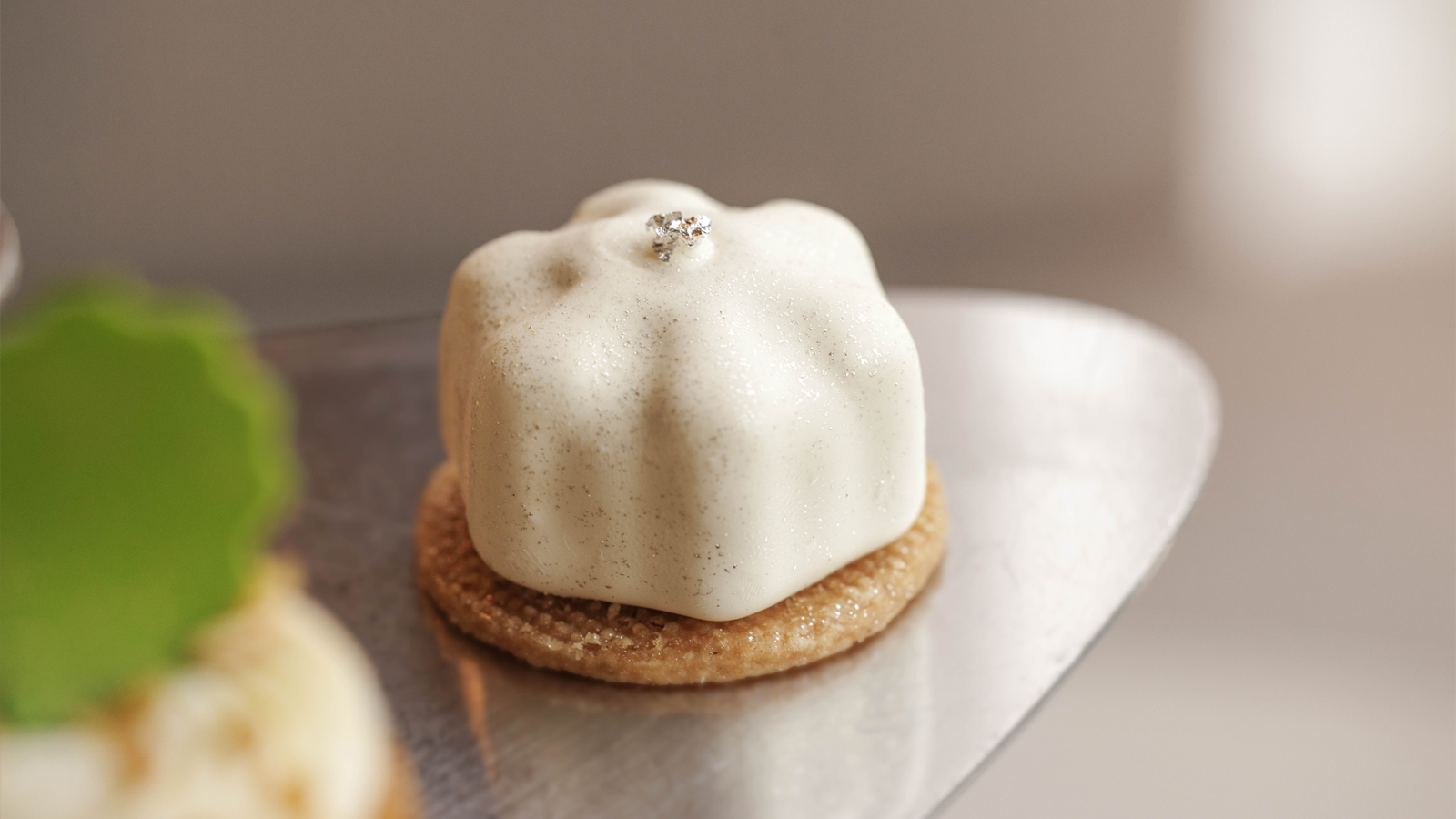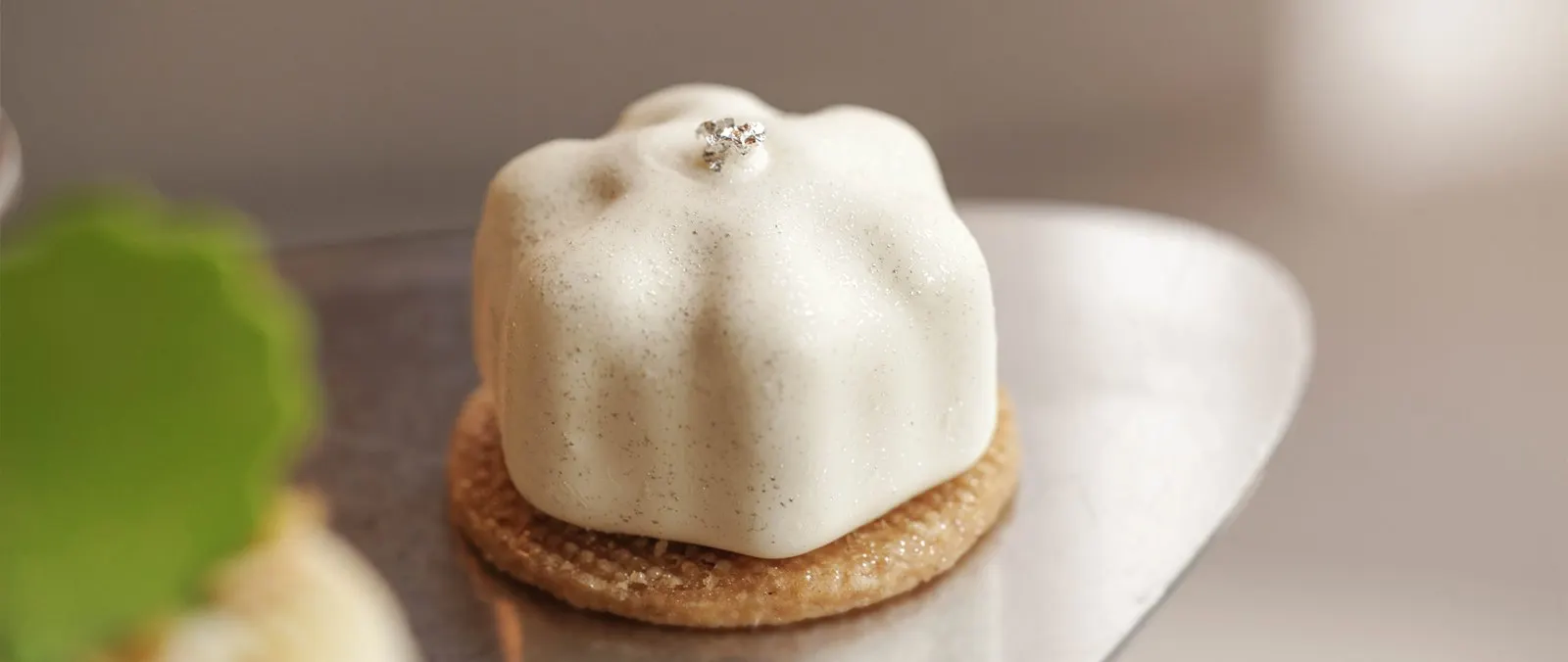
Four Seasons Hotel Tokyo at Marunouchi has announced a festive afternoon tea that places French pastry craftsmanship alongside some recognisably Japanese winter food traditions. Available from 1 to 30 December 2026, the experience at MAISON MARUNOUCHI overlooks Tokyo Station and features a sequence of decorated sweets, warm scones and savoury dishes. French-born Executive Pastry Chef Nicolas Maugard is responsible for the holiday creations, including a strawberry-and-pistachio cake shaped like a red Christmas ornament, a chestnut Mont-Blanc tartlet and a dark chocolate financier. Yet the programme is not simply a European celebration transplanted to Tokyo. A fried-chicken canapé, salmon roe and hairy-crab bisque give the menu a distinct local dimension. For an international luxury lifestyle audience, the event is a small demonstration of how traditions evolve when chefs, ingredients and a city's own customs meet.
The setting matters as much as the menu
MAISON MARUNOUCHI is located within Four Seasons Hotel Tokyo at Marunouchi, in an area known for its transport connections and proximity to Tokyo Station. The hotel describes a view of the station as part of the experience. It can be appealing to spend an unhurried afternoon in a dining room while the activity of a major city continues outside. A view is never a guarantee of a particular table, however, and guests should confirm seating arrangements when booking. Marunouchi's broader appeal lies in its mixture of modern commercial architecture, historic station design and walkable urban streets. Afternoon tea provides one possible starting point for exploring that environment.
A European ritual in contemporary Tokyo
Afternoon tea has long been associated with British hospitality, but the format has become an international vehicle for pastry creativity. Restaurants and hotels adapt its familiar combination of sweets, savouries and warm drinks according to local tastes and ingredients. Tokyo has developed an especially strong culture of seasonal dessert presentation, often emphasising fine details and a close relationship between appearance and flavour. The Four Seasons announcement identifies the seasonal theme through red and green decorations, snowflakes, festive shapes and a ruby-red welcome drink. These references communicate Christmas without erasing the Japanese context in which the meal will be served.
Nicolas Maugard's creative approach
Nicolas Maugard, the hotel's Executive Pastry Chef, uses recognisable French pastry structures as the starting point for the sweet courses. A financier, a Mont-Blanc tartlet and a composed mousse cake all require different techniques and offer distinctive textures. That variety is important: an attractive afternoon tea should not be a succession of similarly sweet preparations with different decorative finishes. A well-designed selection shifts between acidity, richness, softness and crispness. It is possible to assess the announced ingredients and intended structure without claiming to have tasted them. Because the December programme has not yet begun as of 22 November, this article is a preview based on the official menu, not an independent dining review.
A bauble becomes a strawberry dessert
The announced L'éclat Rouge is a miniature ornament-inspired cake combining strawberry mousse, pistachio mousse and a raspberry confit centre. Its glossy red exterior evokes the decorative baubles associated with Christmas trees. In culinary terms, the relationship between berries and nuts is more significant than the resemblance to an ornament. A tart fruit centre can provide contrast to the gentle sweetness and richness of pistachio, while the mousse structure offers a lighter texture than a dense baked cake. The decorative concept may draw visitors' attention, but the success of the dessert will depend on execution, balance and freshness. The hotel's published description establishes the components, not a guarantee of any particular sensory response.
Chestnut and vanilla provide a winter reference
A second creation, L'hiver, is described as a Mont-Blanc tartlet with chestnut and vanilla. The pastry includes a crisp tart shell and toasted almond dacquoise, followed by chestnut compote, cream and a vanilla Chantilly layer. A covering of chestnut paste and a star-shaped decoration completes the design. Chestnut has a strong association with European cold-season sweets, but its flavour also feels appropriate within Japanese dessert culture, where chestnut preparations have their own long history. The chef's interpretation connects those parallel references without requiring them to be identical. It is an example of using familiar ingredients to build a coherent seasonal mood.
Three expressions of chocolate
The menu's Intensité chocolate financier combines a dark chocolate cake base with chocolate cream and whipped ganache montée. The official announcement presents the composition as a study in contrasting textures and cocoa notes. A financier is typically a small, rich cake, making it an effective foundation for layered pastry. Adding multiple chocolate components can create depth but also poses a balancing challenge: if each layer is too sweet or dense, the result may feel monotonous. The reported design aims for contrast rather than quantity. Chocolate enthusiasts may find the dessert appealing, while diners who prefer fruit or lighter flavours have other options elsewhere in the selection.
Familiar baking completes the sweet programme
Alongside the more technically elaborate pastries, Four Seasons includes spiced carrot cake and freshly baked scones. These details matter because not every element of afternoon tea needs to resemble a display piece. A warm scone can provide a simple, familiar pause between more intricate confections, while carrot cake contributes spice and a different texture. Guests may have their own expectations of condiments and accompaniments, but the hotel release does not specify a full list and they should not be invented. The most persuasive luxury pastry programmes make room for both invention and recognisable comfort. Complexity is only worthwhile if it improves the pleasure of eating.
Japanese Christmas through a savoury canapé
Marunouchi Festive Fried Chicken with house pickles is a playful reference to Japan's popular association between fried chicken and Christmas. The dish is announced as a bite-sized canapé, where the pickles are intended to contrast with a rich, crisp coating. Including a popular national festive custom is a more meaningful way of locating the experience in Tokyo than decorating every plate with generic symbols. It also recognises that holiday food traditions vary across countries. Visitors should approach the menu with curiosity rather than assume Japanese celebrations must follow a European or American pattern. The canapé represents the chef's interpretation of a familiar custom, not an exhaustive account of Japan's Christmas cuisine.
Salmon roe and layered crêpes
The Smoked Salmon and Cream Cheese Mille Crêpes combines thin crêpe layers with fish and a topping of ikura, or salmon roe. This composition introduces both a distinctive appearance and a savoury contrast to the pastry selection. The combination of fish, dairy and egg-based crêpes is also a reminder to ask about allergens. People avoiding particular ingredients should not assume that a small canapé can be changed easily during a fixed tea service. The hotel provides a description of the planned components, but availability and any substitutes need direct confirmation. A good culinary preview should make these practical details clear rather than concentrating only on decorative appeal.
Hairy crab adds a seasonal element
The third highlighted savoury item is a creamy Kegani crab bisque finished with prawn oil. Kegani, or hairy crab, is associated with Japanese seafood traditions and can offer a strong winter reference. Transforming it into a bisque allows the kitchen to concentrate flavour in a warm, smooth preparation. There is also a distinct change of texture from the layered crêpe and fried chicken. The selection illustrates the range possible within a compact afternoon tea: cakes, crisp pastry, fish, crustaceans and hot soup coexist within one planned sequence. Guests with shellfish allergies or sensitivities should discuss the menu in advance.
Details that guests should confirm
Four Seasons lists the festive afternoon tea at JPY 12,000, available from 1 to 30 December 2026. The release directs guests to the hotel for reservations. The published rate is a reference point; service charges, cancellation terms, dietary substitutions and present-day availability should be checked before making plans. As of 22 November, the announced service has not started, so claims about its reception or guest reviews would be premature. Visitors should also confirm the length of the sitting and whether the venue has a dress code or age requirements. Accurate expectations make a premium dining experience easier to enjoy.
Exploring Marunouchi beyond the dining room
Tokyo Station and the surrounding district offer opportunities to combine the meal with architecture, shopping, galleries and an urban walk. A relaxed afternoon itinerary might leave time to appreciate the contrast between the station's historic exterior and the district's contemporary buildings. Travellers should be mindful that December can bring busy retail periods and changes to opening hours. MAISON MARUNOUCHI is a central hotel restaurant rather than an all-inclusive destination package, and the press release does not claim that museum admission or other experiences are included in the tea price. The broader city remains part of the attraction.
Why this matters to the luxury yachting audience
The relevance for owners and guests of 12–24-metre luxury yachts is cultural rather than directly nautical. International travellers may visit Japan for business or leisure when they are not spending time aboard. A carefully crafted afternoon tea adds one distinctive local experience to that itinerary. It offers the same interest in technical detail, thoughtful service and considered design that can also influence preferences in private yacht interiors and hospitality. Yet there is no evidence of a yacht partnership, marina service or vessel-related offer in the source announcement, and none should be implied. The story belongs in lifestyle coverage because a yachting audience has interests beyond the water.
A seasonal event with an individual identity
Four Seasons Tokyo at Marunouchi has announced a December tea that is rooted in a recognisable format but designed for its location. Maugard's French pastry background shapes the decorative sweets, while the savoury courses draw on Japanese holiday customs and winter seafood. The combination is most interesting when understood as an exchange between culinary traditions rather than a competition between them. The event runs for a defined period, and prospective guests should verify its current details with the hotel. For luxury lifestyle readers, its appeal lies in the meeting of craftsmanship, presentation and place: an afternoon above Tokyo Station where seasonal food tells a story that could not be repeated unchanged in another city.
Sources and image credits: Four Seasons Hotel Tokyo at Marunouchi original 2 November 2026 press release, A Tale of Two Christmas Traditions, and the official downloadable press-image gallery. Menu items, the named chef, announced dates and prices are attributed to Four Seasons. Culinary and destination observations are independent Luxury Yacht Guide commentary.
Sources and image credits
Reporting based on Four Seasons official original 2 November 2026 press release concerning Tokyo Marunouchi Pairs French Pâtisserie With Japanese Christmas.
Lead photograph: Tokyo Marunouchi Pairs French Pâtisserie With Japanese Christmas — official source press photograph. Image: Four Seasons Hotels and Resorts, original official editorial press image from source property; illustrative photograph credited to the hotel. Original official image source.