An expansive selection across historical periods
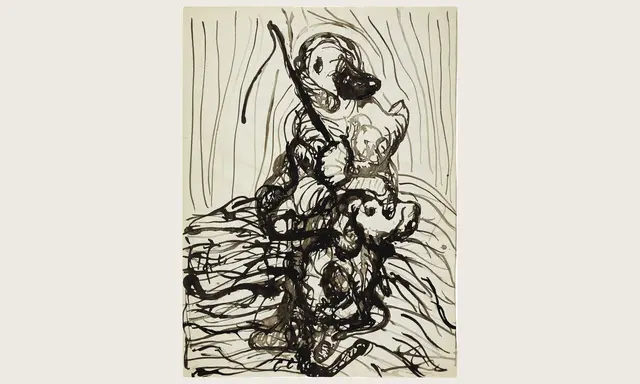
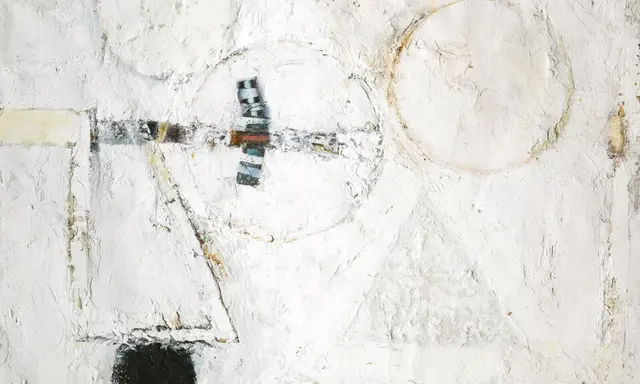
Sotheby’s Magnum Opus Act II: Figure & Form is scheduled for 22 October 2026 in New York, with 127 catalogue results appearing in the public listing. It brings ancient sculpture and decorative arts into conversation with later furniture and design. For private collectors, that breadth creates unusual opportunities to compare the character of objects across centuries rather than remaining inside a narrowly defined category.
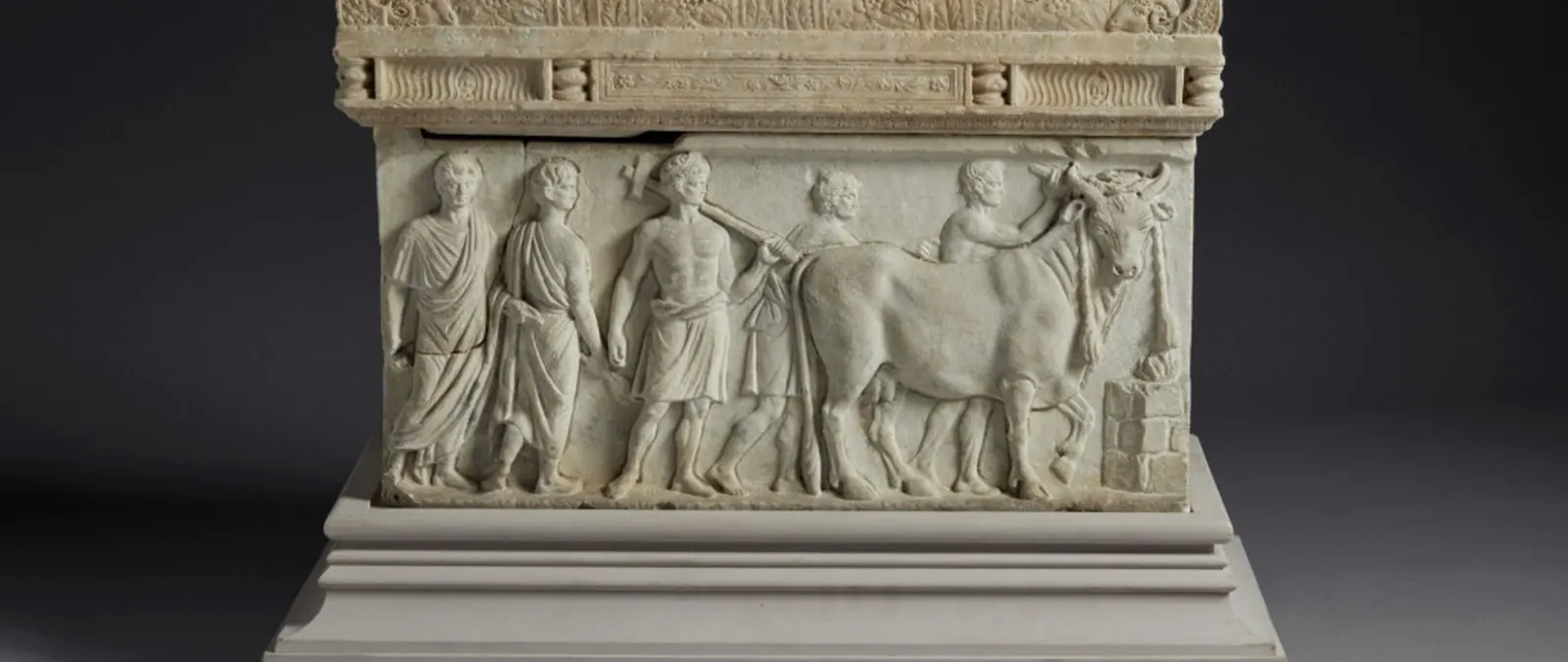
Among the opening catalogue entries are an Apulian red-figured rhyton dated to approximately 330–310 BC and a Roman marble table leg from around the second century AD. A Roman bronze roundel with a Molossian hound relief and a bronze balsamarium add further diversity. Their estimated prices vary, but collecting responsibly begins with questions about legality, documented history and condition—not the attractiveness of a low estimate.
Ancient objects require exceptional diligence
Antiquities have complicated histories of excavation, ownership and movement across borders. International standards and national legislation may restrict export or ownership of particular objects. Buyers should establish the provenance documentation for the exact lot, including publication history where available, rather than rely solely on the fact that a respected auction house has listed it.
For a Roman object or an ancient Greek vessel, material and restoration history are equally important. Repairs, reconstructed sections and surface treatments can affect scholarly understanding as well as display. An independent specialist may be valuable when a collector lacks direct experience in the field. The excitement of encountering an ancient object should never displace the legal and ethical questions attached to its movement through the market.
Furniture and decorative design broaden the sale
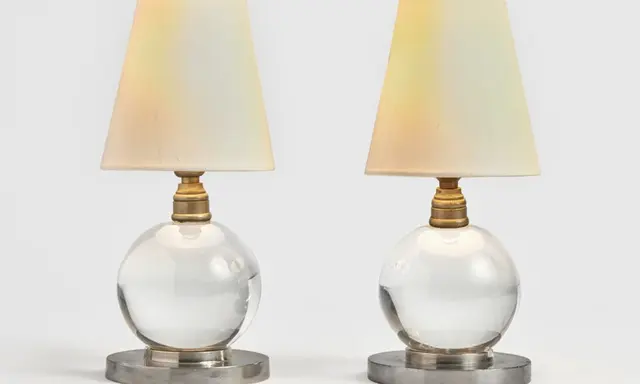
The published catalogue extends to later examples, including a Louis XVI fauteuil de bureau in the manner of Georges Jacob and a Directoire mahogany canapé. It also lists works of twentieth-century design, among them Edgar Brandt and Armand-Albert Rateau. A collector can therefore move from antiquity to modern decorative arts without leaving the auction’s thematic umbrella.
Such comparisons reward close scrutiny of material. A carved wooden chair requires assessment of joinery, upholstery and restoration, while metalwork may pose questions about patina and alterations. These objects were often created for practical settings, but their survival in good condition can make them important historical artefacts. Their present-day use should respect both their age and structural limitations.
Planning for scale, conservation and display
A large object that looks elegant in an online catalogue may prove difficult to place in a contemporary residence. Measurements should include depth, height and clearance required for movement through corridors. Display supports and lighting also matter, especially for fragile sculpture or historic surfaces that cannot tolerate repeated handling.
Conservation is a long-term commitment rather than an afterthought. The buyer should obtain suitable insurance, commission condition assessments where appropriate and plan secure transport. For collections spread across different properties, environmental monitoring can help protect materials sensitive to humidity or temperature fluctuation. The most beautiful installation will be one that allows the object to be studied without putting it at risk.
The appeal of collecting across time
A sale connecting figure and form across historical periods encourages an approach to collecting based on formal relationships. The curve of an ancient vessel, the silhouette of a Rococo chair and the line of a modern design object can illuminate one another in a carefully conceived interior. The connection is interpretive, not proof that the objects share an original purpose.
Sotheby’s catalogue is the authoritative reference for lot descriptions, estimates and updated sale terms. A collector should use it alongside independent specialist advice and any relevant ownership checks. The exhibition value of this selection lies in its ability to make craftsmanship and form visible across long stretches of history.