A different rhythm of Japanese travel
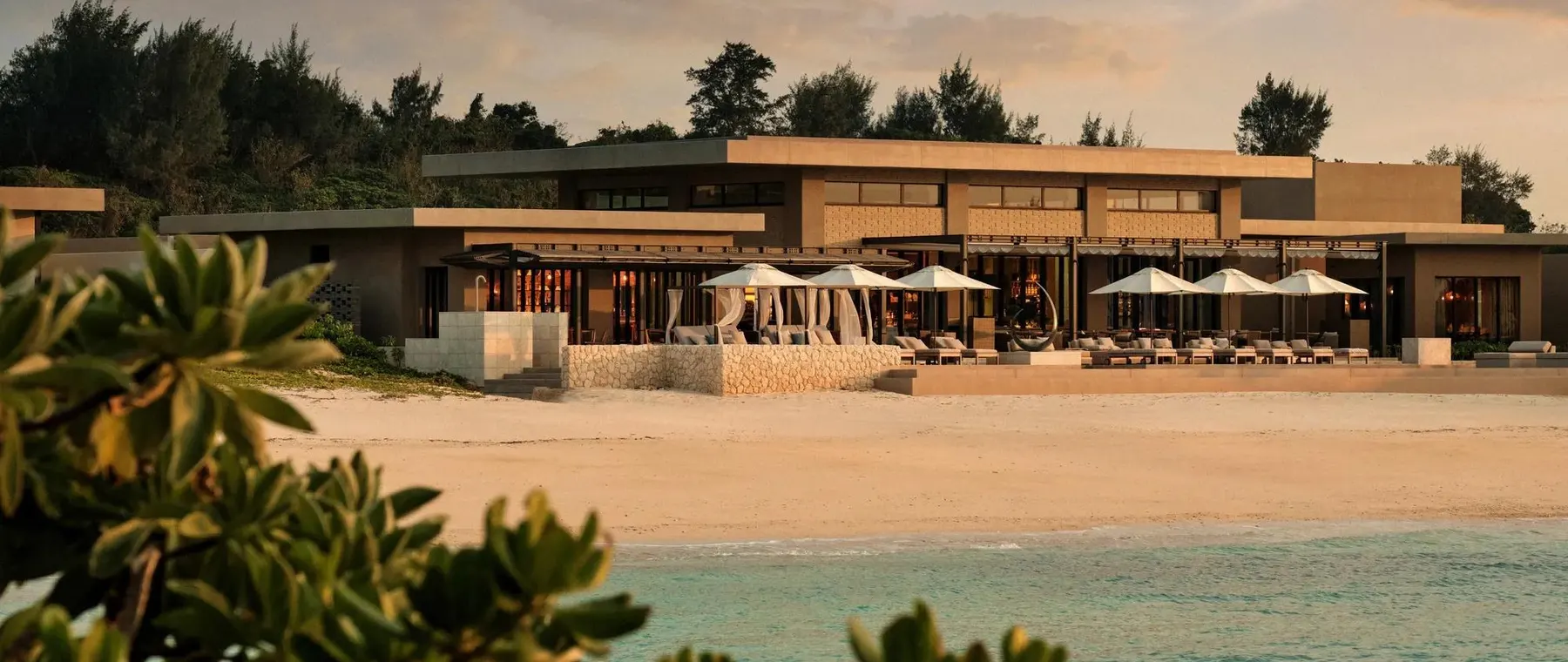
Rosewood Miyakojima occupies a setting far from Japan's metropolitan centres, introducing individual luxury villas to the natural environment of Okinawa's islands. The location offers travellers an opportunity to experience the coastline, tropical climate and local traditions at a more deliberate pace. It is not designed to mimic an urban grand hotel, and its strongest appeal lies in the relationship between private accommodation and the surrounding landscape.
Visitors arriving from Tokyo or Osaka may initially be tempted to fill their days with activities, but the island rewards a slower approach. A morning near the water, a considered lunch and an afternoon exploring a different part of Miyakojima can be sufficient. Weather and sea conditions should influence plans rather than being treated as inconveniences. The resort provides a base from which the destination can be experienced without constant transfers.
The architectural arrangement prioritises villas and larger house-style spaces, not long corridors filled with identical guest rooms. This creates a sense of privacy but also makes practical details more important. Families should ask about the distance between accommodation and shared facilities, any gradients on walking routes and the level of support available for young children or anyone with restricted mobility.
Private pools and larger houses
Rosewood's accommodation programme includes private villas and houses. The hotel highlights Kuura House as a spacious retreat of around 150 square metres, with private living and outdoor areas. A guest choosing this category is investing in a way of spending the day as much as a place to sleep. Private pools allow travellers to shape their own routine, particularly when they prefer quiet mornings or relaxed time together.
Not every villa has identical features, and the most desirable outlook is not necessarily the best arrangement for every party. A family group may place more value on dining space and the position of bedrooms, while a couple might prioritise privacy and a sheltered terrace. Confirm the exact layout, permitted occupancy and pool arrangements before booking. Photographs from several categories should never be treated as a guarantee of one particular accommodation.
Private-villa hospitality is especially enjoyable when service is organised around the traveller's needs. Transfers, food preferences and special experiences should be discussed in advance. The aim is not to create a rigid schedule but to ensure that a quiet day remains possible without repeatedly making arrangements at the last minute. Longer stays benefit from a comfortable balance between planned outings and time spent in the villa.
Dining with Okinawan influences
The hotel's dining selection includes Choma, Choma Bar, Nagi, Yukuu and Maas. Each venue gives a different expression to the island setting, while Nagi brings Italian-inspired cooking into the programme. This diversity is important on a resort where guests may spend several consecutive evenings. A casual lunch after an excursion should not need to resemble a special-occasion dinner, and the choice of setting can help establish that contrast.
Local ingredients and island traditions provide an opportunity to look beyond an international luxury menu. Guests interested in regional food can ask for guidance on suitable experiences outside the property as well as the dishes served inside it. The point is to engage with the destination rather than assume the resort provides the entirety of Okinawan culinary culture. A local market or family-run establishment may offer an equally memorable encounter.
Restaurant programmes and private dining arrangements should be confirmed directly. Those with allergies or specialist requirements may find advance communication particularly useful on an island where supply chains operate differently from those of a major city. The best evening plans reflect how active the group has been during the day, leaving room for either a quiet meal or a carefully arranged celebration.
The sea, wellness and a considered stay
Miyakojima's coastline is a major attraction, but clear blue water does not guarantee safe swimming. Currents, marine weather and local access rules deserve respect, especially if visitors are unfamiliar with the area. Snorkelling, diving and other water activities should be arranged with competent local providers when appropriate. Those travelling with children should verify age limits and supervision requirements rather than relying on assumptions based on resort images.
Wellness facilities and private pools provide alternatives when conditions at sea are less inviting. A spa appointment or unhurried day in the villa can be an important part of the experience rather than wasted time. The resort's staff can advise on arrangements, but guests should confirm the available treatment menu and any charges or reservation requirements. Seasonal changes can affect both activities and services.
Rosewood Miyakojima offers a contemporary way to experience Japan's subtropical islands. Individual villas, private pools and varied dining allow guests to choose a pace that suits them, while the wider island supplies natural and cultural interest. Travellers will make the most of the property by resisting the urge to fill every hour. Its appeal is the space to appreciate an unfamiliar coastline in comfort and without unnecessary haste.