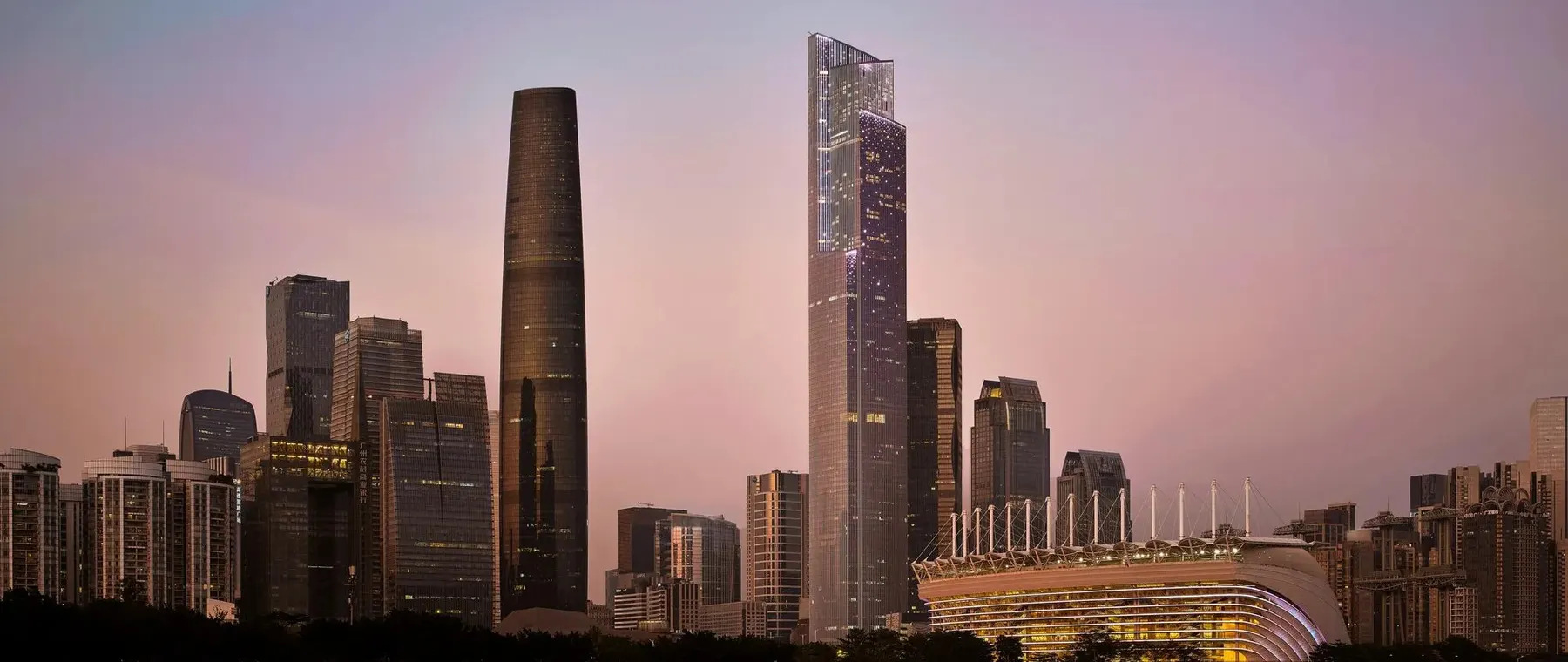
A private outlook over the Pearl River district
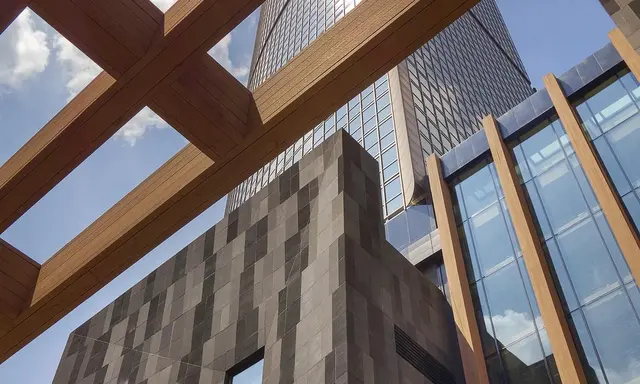
Rosewood Guangzhou brings residential-style hospitality to one of China's major commercial centres, using its position high above the city to provide a degree of separation from busy streets. The building's skyline outlook is an important part of the accommodation experience, but the real appeal lies in combining private space, an extensive dining collection and convenient access to Guangzhou's commercial and cultural life.
The city is an important centre for trade, design and regional food culture. A visitor may arrive for meetings yet find good reason to extend the trip for museums, architecture and culinary experiences. Distances still need careful planning: a hotel with spectacular views does not put every interesting neighbourhood within walking distance, and a crowded itinerary can leave little opportunity to enjoy the property itself.
A hotel with this scale of vertical circulation also presents practical choices. Guests should consider the direction of views, room layout and access to the facilities they expect to use. The highest available floor is not necessarily a better accommodation if it lacks the appropriate sleeping arrangement or private working area. These details should be established when booking rather than inferred from an attractive promotional image.
Accommodation suited to different visits
Rooms and suites at Rosewood Guangzhou include the Deluxe River Room, which is presented with Pearl River views, timber detailing and a marble bathroom. Larger Executive and Manor Suites provide more space for guests wanting a residential atmosphere. A business visitor may value a separate place for calls, while a family may require additional bedrooms and appropriate sleeping arrangements.
The exact occupancy of a suite should be checked before confirming a family stay. A large lounge does not necessarily provide enough separate beds, and services that come with one accommodation category may not be included with another. Guests planning a private meal or small gathering should ask how the hotel can support it and whether a dedicated event space would be more suitable.
Longer stays may benefit from coordinated laundry, transfers and restaurant bookings. Those are routine details, but managing them well allows a traveller to focus on the purpose of the visit. The best use of a high-rise luxury hotel is not simply to admire the city from a window, but to return to comfortable private space after meaningful activity outside.
Lingnan House and the city's culinary identity
Lingnan House is among the property's defining restaurants, celebrating Cantonese cooking with dim sum and regional classics. For a first-time visitor, it offers a comfortable introduction to the flavours of southern China, although the broader food culture cannot be fully represented in one luxury dining room. A curious traveller should also make time for appropriate local restaurants and markets.
The property's range includes Brick Lane, Butterfly Patisserie, The Butterfly Room, Patina European Brasserie and Terrace, Black Iron and Too High. Each provides a different setting, from informal daytime visits to a more structured evening occasion. Guests who are staying for several nights can choose the atmosphere that suits a particular day instead of repeating the same dining experience by default.
Food and hospitality can also offer a way to understand the city beyond commerce. A guided market outing or visit to an established neighbourhood dining venue may explain more about local traditions than a rapid series of photographed landmarks. The hotel's restaurants then offer a quiet and dependable option on evenings when guests return from longer excursions.
Asaya Active and a different rhythm
Asaya Active provides wellness facilities intended to support physical recovery and a balanced routine. The hotel lists a fitness programme, pool, treatments and group activities. These can be particularly useful for someone travelling for work, when several days of meetings and meals can otherwise pass without meaningful time for rest.
Facilities, classes and treatment menus should be checked before arrival, especially where a guest plans a visit around a specialist service. The existence of a pool or spa does not guarantee that every booking category has unrestricted access at all hours. Discussing practical requirements early is more effective than attempting to resolve them during a busy day.
Guangzhou's cultural landscape makes it worth planning additional time beyond business commitments. Galleries, historic neighbourhoods and contemporary architecture offer contrasting perspectives on the city. A carefully selected outing can reveal more than repeatedly crossing the city to fit several attractions into a single afternoon.
Designing a useful Guangzhou visit
A sensible short programme may begin with arrival, one appointment and dinner at Lingnan House. Another day could be organised around business in one district and a cultural experience nearby, while an afternoon of wellness offers time to recover. This pattern leaves room for unexpected discoveries without relying on unrealistic transfer times.
Travellers continuing through other parts of China should confirm transport and any formal entry arrangements independently. Families and groups will also want to address accessibility, luggage and dietary needs before arriving. The hotel can assist with local logistics but should not be treated as a substitute for all travel preparation.
Rosewood Guangzhou's distinctive appeal lies in the meeting of an elevated private environment and an energetic city. Its suites, Cantonese restaurant and wellness programme make a comfortable base, while Guangzhou supplies the wider cultural experience. A rewarding journey uses the hotel to support exploration, not as a reason to avoid the destination beyond its doors.