A diplomatic landmark becomes a London retreat
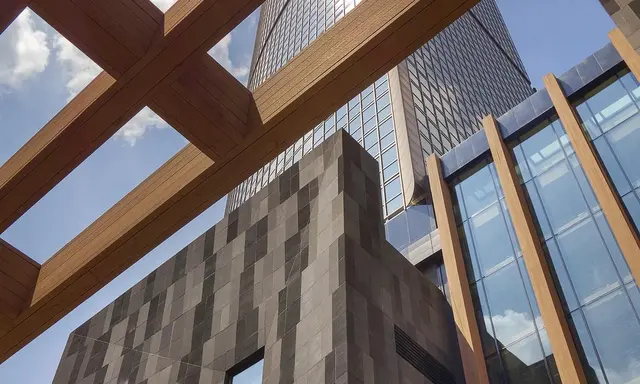
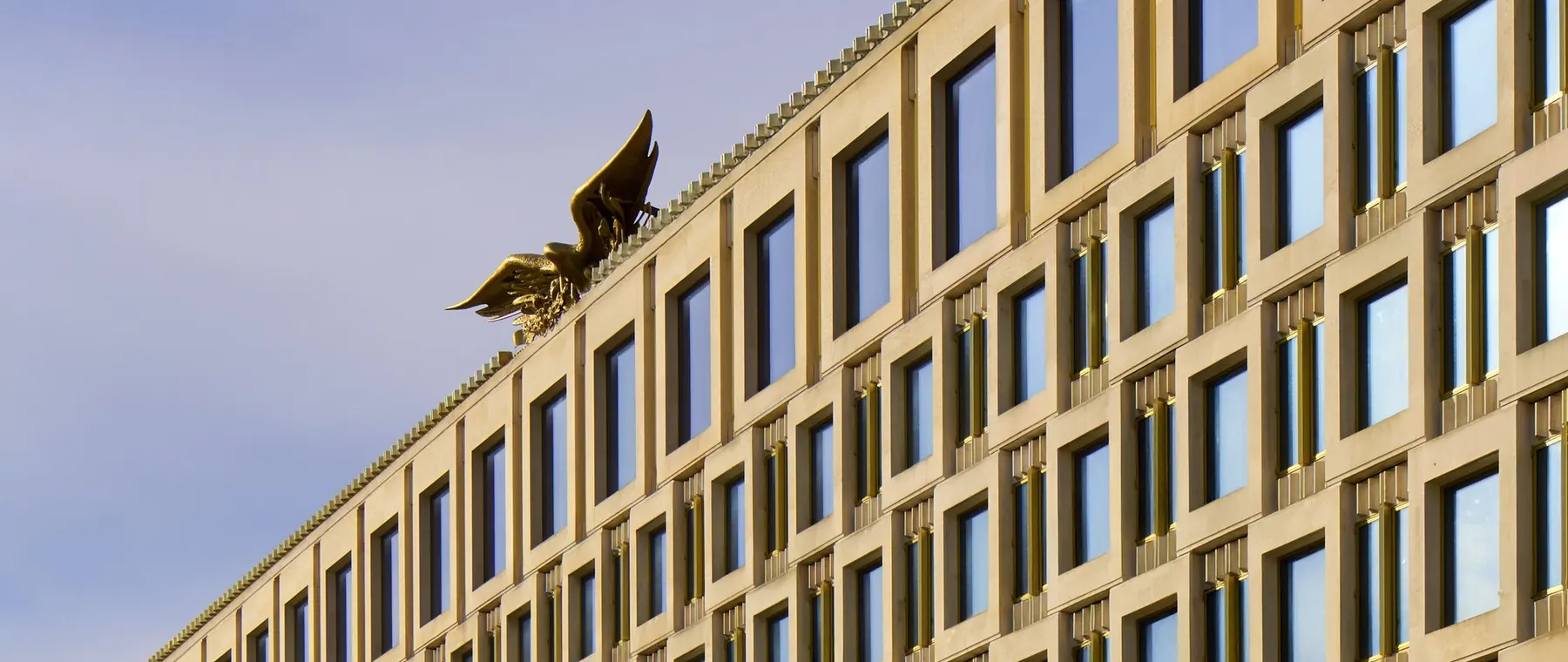
The Chancery Rosewood occupies the former United States Embassy on Grosvenor Square, a significant Mayfair landmark designed by Eero Saarinen. Its transformation has created an all-suite hotel in a neighbourhood known for galleries, embassies and private residential life. The project aims to retain the building's architectural identity while providing the comfort and privacy expected of an exceptional contemporary London address.
The historic exterior reflects the building's former diplomatic purpose, while the interior is organised around more personal experiences. The property is Grade II listed, a reminder that changing a major protected building involves a different set of choices from constructing a new hotel. The achievement is not only a new restaurant or suite collection, but an architectural landmark finding an entirely different role in city life.
Mayfair's position is useful for cultural visits, business appointments and shopping, but London still needs a sensible itinerary. A day spent repeatedly crossing the city can become dominated by traffic. Guests are better served by organising appointments in one area and leaving time to enjoy Grosvenor Square and the hotel itself, rather than filling the schedule with distant reservations.
Houses and suites for private living
The accommodation collection includes suites, signature suites and houses. Saarinen House is presented as a light-filled private retreat with city views, while the Chancery Suites evoke the proportions of a Mayfair residence. For someone planning a longer visit, this choice of accommodation offers more than somewhere to sleep: it can provide room for uninterrupted work, conversations and private downtime.
Guests should study the actual configuration rather than select a category solely by size. A travelling family may need connecting bedrooms, whereas a couple might value a separate sitting area and a particularly quiet outlook. The grandest photograph does not guarantee that every room has an identical view, and accessibility requirements deserve early discussion with reservations.
The hotel can assist with arrival arrangements, restaurant bookings and private appointments, but guests should communicate any special plans in advance. Hosting friends in a suite, for example, may involve additional requirements that are different from simply occupying the accommodation. The value of a residential concept lies in making everyday logistics easy, without turning every small decision into another formal arrangement.
Several restaurants and a rooftop setting
Tobi Masa introduces Japanese dining associated with chef Masayoshi Takayama to the London property, complete with an intimate omakase counter. Serra Restaurant and Bar offers an alternative inspired by Southern Mediterranean cooking and more communal meals. These are different experiences suited to different occasions, an important distinction for guests spending several nights in residence.
Jacqueline offers an interpretation of British afternoon tea, while GSQ brings a more informal cafe setting to Grosvenor Square. Eagle Bar uses rooftop terraces to provide outlooks across the district and towards Hyde Park. These options allow a guest to explore distinct aspects of London's hospitality without immediately arranging a car to another part of town.
The property also lists private dining spaces in Serra and Tobi Masa for parties of up to twelve guests. Those arrangements may suit a family celebration or discreet business gathering, but the precise format and availability should be confirmed. A hotel suite with space for visitors is not necessarily a substitute for an equipped dining room or a venue with staff assigned to an event.
Because the building was designed for diplomatic use, its conversion is also a story about changing urban priorities. Grosvenor Square has long carried the character of a formal London address, but private guests now use the space in an entirely different way from the people who occupied it as an embassy. That history adds depth to the experience without requiring the hotel to operate as a museum. Design-minded visitors may find it rewarding to explore how the existing architecture has been retained and adapted.
The new hospitality programme makes Mayfair a destination for local Londoners as well as overnight guests. Its restaurant choices can create a reason to meet someone already living in the city, while private suites offer a place to retreat afterwards. For anyone arranging several days of personal or professional engagements, this combination of an active public programme and a quiet private base can be more useful than a large hotel with less distinctive spaces.
Wellness and cultural balance
Asaya Spa adds an important quiet counterpart to the property's dining programme. London visitors can find their days filled with appointments, galleries and evening events, leaving surprisingly little time to recover. A reserved wellness treatment or unstructured afternoon may be more valuable than another activity added simply because it appears prestigious.
A thoughtful Mayfair itinerary might combine a museum visit, a walk through nearby streets and dinner back at the hotel. The concierge can help with practical planning, but there is value in discovering the neighbourhood on foot rather than relying entirely on arranged transfers. A major capital reveals itself through small encounters as well as celebrated landmarks.
The Chancery Rosewood's most distinctive feature is the combination of architecture and private accommodation. The restaurant collection and wellness facilities create variety, while the Mayfair setting supplies the wider experience. It is best approached as a place to return to throughout a London journey, not merely a highly designed building in which to spend the night.