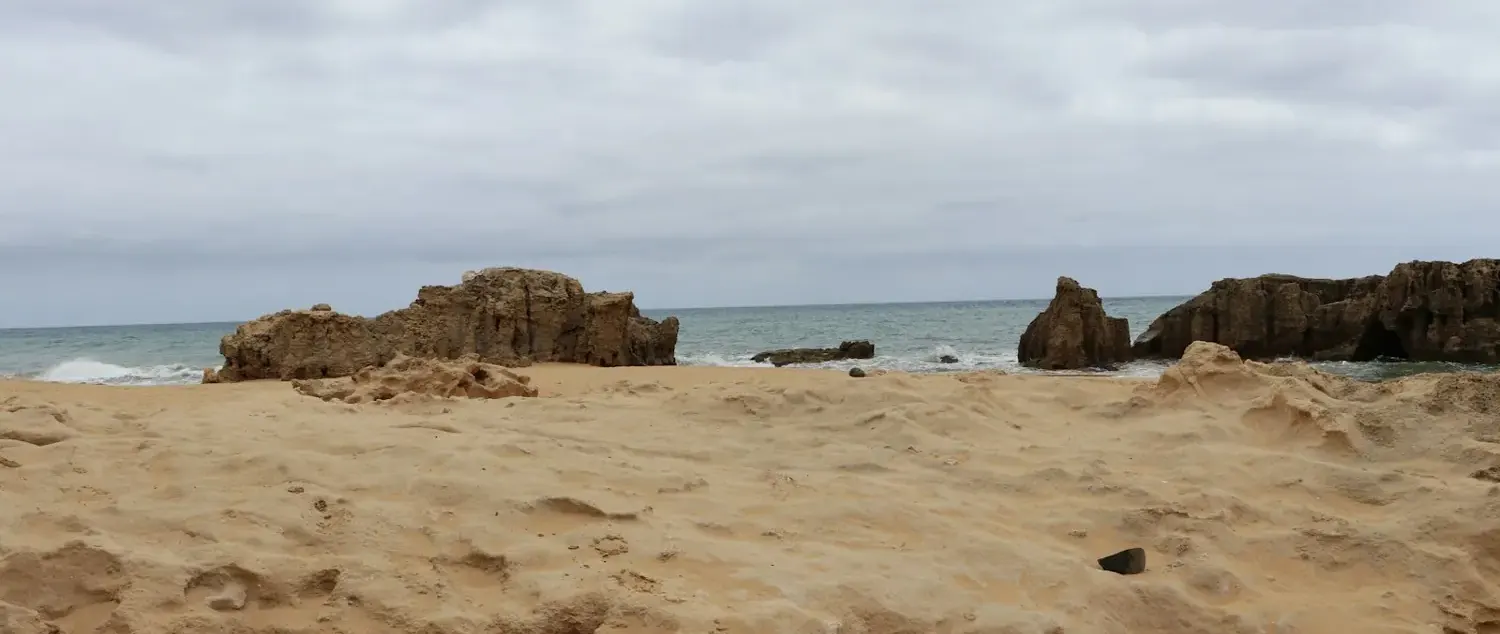
An Atlantic island with room to pause
Porto Santo is often discussed in the shadow of Madeira, but for a yacht making an Atlantic passage it deserves to be considered a destination in its own right. The island is known for a remarkable sweep of golden sand, open horizons and a pace of life that contrasts with the major marina towns of mainland Europe. A skipper arriving after an offshore leg may want little more than a secure berth, a shower and an evening walk. Guests with time to explore will find landscapes, local history and a different experience of the Portuguese Atlantic.
For yachts measuring 12–23.99 metres, the appeal is practical as well as scenic. The island has a designated marina within the commercial port rather than relying solely on an exposed anchorage. That gives owners a potential planning point between open-water cruising and time ashore. As with any island harbour, confirmed reservations, weather, commercial traffic and current local procedures matter more than the attractive outline of a harbour on a chart.
The marina: what the official visitor information says
The Madeira Islands Tourism Board identifies Porto Santo Marina on the island’s south coast, protected by two piers with lighthouses and integrated into the commercial harbour. Its public information describes floating berths for 139 boats, a minimum water depth of three metres and an advertised vessel-length range of six to 30 metres. The marina is therefore relevant to the complete 12–23.99-metre range covered by Luxury Yacht Guide, subject to individual berth availability and the boat’s actual beam, draught and manoeuvring requirements.
The same tourism source places the marina approximately three kilometres from the town centre. That is close enough for a short transfer without leaving the boat amid the busiest streets. The marina also lists basic visitor services and a shore-side technical area. Do not assume every service or yard capability is available to a particular large yacht: advance contact with the harbour and contractors is the reliable way to check berth dimensions, shore-power compatibility, equipment handling and repair arrangements.
Why this stopover is useful offshore
A good Atlantic marina is not simply somewhere to leave the vessel. It allows the crew to inspect gear after an offshore passage, replenish freshwater, assess fuel needs and read the next weather window with less pressure. Porto Santo can offer a calmer stage before visiting the larger island of Madeira or continuing a longer cruise, but the timing and routing of any passage must be determined from current navigational information and the vessel’s actual capabilities.
Owners moving between mainland Portugal, the Canary Islands and the Madeira archipelago should be careful with the phrase 'convenient stop'. The distances are oceanic, not coastal. Swell, wind acceleration and forecast changes can make a short-looking plan feel demanding, particularly in a heavier-displacement motor yacht with a limited preferred cruising range. The correct preparation involves fuel reserve, watches, reliable communications, pilotage references and the possibility of waiting several days for a more suitable departure.
A beach that sets the island's rhythm
Porto Santo’s signature landscape is its long sandy shore. The official tourism board describes approximately nine kilometres of golden beach, a feature that makes this a markedly different destination from the steep coast and mountains associated with much of Madeira. For a yachting party, that offers an uncomplicated kind of luxury: space to walk, gentle routines and the chance to spend a day ashore without assembling an elaborate excursion.
The attraction varies with season, weather and personal taste. On a clear, comfortable day, a barefoot walk and lunch by the sea may become the centre of a visit. In stronger wind, the same coastline is best admired with respect for surf and currents. The visual calm in a tourism photograph does not establish safe swimming conditions at every point of the beach. Guests should use locally advised areas and follow any lifeguard warnings.
A different sort of luxury itinerary
Porto Santo works particularly well when the programme leaves breathing room. The morning might begin with breakfast aboard and a short trip into town. Later, guests can visit the beach, return to the marina for a rest and go ashore again for dinner. This rhythm makes the island attractive to families and couples who are less interested in a succession of high-profile restaurants than in the feeling of having arrived somewhere with an identity of its own.
A 12- to 16-metre yacht may accommodate such a visit with a modest guest party and a carefully managed onboard routine. A 20- to 23-metre boat with more substantial deck space may allow people to move between privacy aboard and activity ashore. Neither size makes planning unnecessary. Provisioning choice, local transport and shore-side opening hours should be checked before guests are promised a particular experience.
Casa Colombo and the maritime past
Porto Santo has a strong place in the history of Atlantic navigation, and the Madeira tourism board highlights Casa Colombo — Porto Santo Museum — as an introduction. The building is traditionally associated with Christopher Columbus during his time on the island. The official description uses careful language, explaining that it is said to have been his home and that the present complex contains fabric and later alterations from several periods. That is a more responsible account than treating every detail of the association as settled historical fact.
The museum presents the island’s place in maritime expansion and related histories. Its value to a modern yacht guest is not limited to a single famous name. It gives context to why ocean passages, prevailing winds and island communities have mattered for centuries. A short museum visit can enrich an evening conversation about the passage just completed. Visitors should check current opening times with the museum, since online listings can contain seasonal variations.
Volcanic forms beyond the sand
Beach holidays can make an island seem one-dimensional. Porto Santo rewards a more curious eye. In its official island guide, the tourism board points to Pico de Ana Ferreira and its striking geological columns, formed through the cooling of magma. The shapes are a reminder that the island’s present gentle profile emerged from volcanic processes. Landscapes like this are worth visiting even for guests whose primary reason for arriving was a comfortable marina berth.
Any inland excursion requires realistic attention to walking conditions. Trails can be exposed, surfaces irregular and distances misleading when viewed from a yacht. A group including children or less mobile guests may prefer a shorter arranged visit to a strenuous hike. Local guides can help distinguish accessible viewpoints from routes requiring suitable footwear, water and additional preparation. The most rewarding itinerary is one matched to the actual travellers rather than an ambitious list of attractions.
A full day or a long weekend?
For a single overnight stop, the best programme is deliberately restrained. Arrive with sufficient daylight if conditions allow, complete harbour formalities, settle the yacht and take an unhurried walk or meal ashore. A full-day visit makes it easier to see both the beach and Casa Colombo, but it is still worth leaving an hour or two without commitments. A long weekend opens the possibility of a geological outing, several relaxed meals and a more generous beach day.
Yacht owners sometimes measure the value of a destination by the number of excursions available. Porto Santo invites the opposite calculation. Much of the pleasure lies in the spare time between activities. From the perspective of hospitality, that demands good communication: an advance note on what is open, a practical land-transfer plan and a realistic return time to the boat. Thoughtful simplicity is preferable to an itinerary that repeatedly pulls guests away from the setting they came to enjoy.
Staying comfortable aboard
Island marinas can be affected by wind and harbour movements even when the open sea is visually appealing. Before confirming a berth, ask about exposure, pontoons, fender arrangements and how visiting yachts of comparable length are normally accommodated. Power ratings, freshwater supply and waste facilities deserve the same scrutiny. A prudent skipper will also ask where commercial-harbour movements and designated fairways intersect with leisure traffic.
The official tourism information mentions a shipyard area, but it should not be taken as a promise of heavy-lift service for every luxury yacht. A boat nearing 24 metres has very different haul-out, handling and engineering needs from a small monohull. If a repair or inspection is a key purpose of the stop, confirm exact technical capacity in writing before departure. Routine onboard maintenance should also comply with local environmental and harbour restrictions.
Seawater, freshwater and the island setting
Guests often associate an Atlantic-island holiday with swimming, paddleboards and small-tender trips. The right activity depends on the conditions, not just the boat’s inventory. The open Atlantic can generate swell or localized wind effects. A sheltered berth does not guarantee a sheltered nearby beach, and an attractive bay in the morning can become uncomfortable later. Crew should treat each watersports session as a new decision based on weather, visibility and safe recovery arrangements.
Freshwater management is another part of responsible cruising. Long showers, frequent deck washdowns and large guest parties can raise demand sharply on an island stopover. Owners should use shore services responsibly and avoid assumptions about unlimited supply. Practical habits — quick freshwater rinses after swimming, a defined place for wet equipment and good separation of clean and sandy areas — keep the yacht pleasant without reducing the enjoyment of the beach.
Photographs, wildlife and considerate visits
Porto Santo’s coast encourages photography, and an approaching yacht presents a wonderful elevated view of the island. But the best memories often come from the low-key moments: walking through town, seeing the changing light on the sand, or noticing a landscape that differs from the popular image of Madeira. When exploring, visitors should respect paths, local access rules and any protected habitat boundaries. An island community is more than a holiday backdrop.
Drone operators should independently check the rules and permissions that apply to the intended location and flight, including restrictions around ports, airfields and people. Do not assume that the presence of an open beach makes unmanned flight automatically acceptable. The same restraint applies to anchoring and tender access: consult charts, the port authority and protected-area guidance before choosing locations, and avoid disturbing wildlife or sensitive bottoms.
A practical departure checklist
Before leaving Porto Santo, confirm updated forecasts, the harbour’s current departure instructions and the condition of the next intended refuge. Check fuel, engine and steering status, safety equipment and crew readiness. If a yacht has made repairs, verify the result before immediately committing to a long leg. An Atlantic passage benefits from conservative margins and the willingness to stay in harbour if the forecast does not suit the boat or those aboard.
Porto Santo’s appeal is that the same stop can serve two purposes: a useful marina call and an enjoyable island holiday. The official marina specification makes it especially relevant for yachts in Luxury Yacht Guide’s size range, while the beach, maritime museum and volcanic scenery give guests real reasons to linger. It is a destination best appreciated with space in the schedule and due respect for the Atlantic outside the harbour.
Official sources and photography
Planning references: Madeira Tourism Board's marina profile, Porto Santo destination overview, beach information, Casa Colombo Museum and APRAM marina regulations. Check the harbour directly before arrival. Hero: Porto Santo beach photographed by Márcio Sousa, used under the Unsplash License.