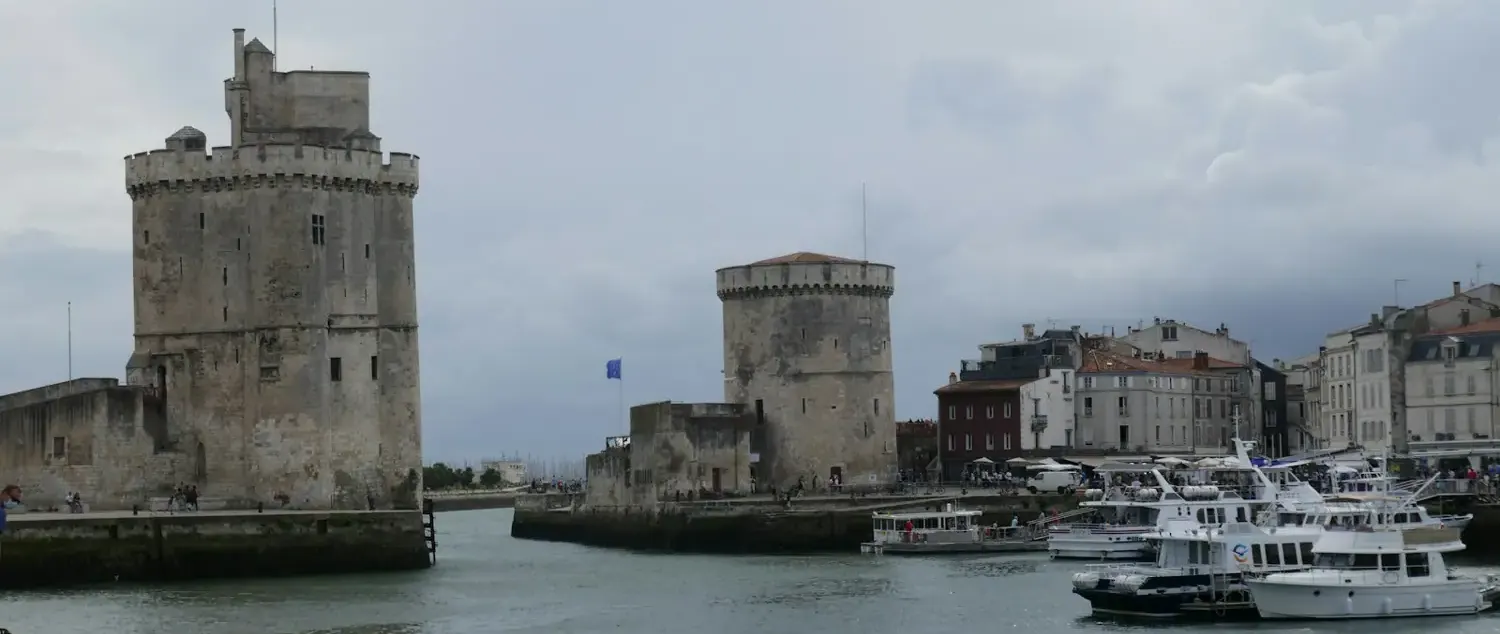
A different French coast for yacht owners
The French Atlantic coast offers a distinctive alternative to the crowded Mediterranean circuit. La Rochelle has the facilities and maritime identity of a major sailing centre, while nearby Île de Ré introduces an island landscape shaped by low shores, protected villages, salt-working traditions and changing tides. For owners of 12–23.99-metre yachts, the combination can make a satisfying itinerary: berth securely where appropriate, explore a historic city, and travel to the island by sea or ashore when conditions allow.
This is not a coastline to approach as if it were a sheltered Riviera bay. Tidal ranges, shallow areas, locks, swell and active commercial and leisure movements make local pilotage important. The rewards are considerable, but the schedule should be built around confirmed harbour information and current charts. Treat the itinerary as a sequence of well-planned experiences rather than a set of unrestricted anchorages that can be selected at the last minute.
Port des Minimes as the practical base
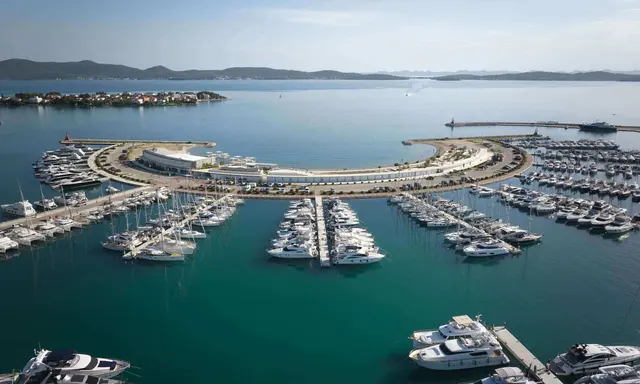
The Port de Plaisance de La Rochelle describes Port des Minimes as a substantial marina with 5,157 berths, including 400 designated visitor places. Its published layout identifies four basins — Bout Blanc, Marillac, Lazaret and Tamaris — and 64 jetties. The figures explain why La Rochelle is such a significant yachting centre. They do not guarantee that a 20- or 23-metre yacht can simply arrive and take any vacant berth; the harbour must allocate space according to vessel dimensions and current availability.
The official harbour information provides a 24-hour contact on VHF channel 9, under the call sign Les Minimes. It also supplies nautical-access information relating to the approach channel. Owners should use those details as a prompt to consult up-to-date charts, navigational notices and harbour instructions. A berth booking should capture overall length including fixed projections, beam, draught, preferred power supply and any special manoeuvring or crew requirements.
Why large-yacht berth numbers need context
A marina total can look reassuring on a website, but thousands of berths may be distributed across a wide range of boat sizes. In the 12–23.99-metre sector, beam and manoeuvring room can be as decisive as length. A beamy sailing catamaran may require an arrangement very different from a narrow single-hull cruiser. The skipper should verify pontoon dimensions, mooring practice, shore access, cleat loading and how wind can affect the assigned berth.
The same principle applies to advance planning around events and maintenance closures. La Rochelle’s port authority issued temporary visitor restrictions around the Grand Pavois show in September–October 2026. Those specific dates have passed, but the example demonstrates why a berth that exists on a plan may be unavailable at a particular moment. Before the yacht departs for the French coast, a direct confirmation from the marina is worth far more than a general statement about capacity.
The city immediately beyond the pontoons
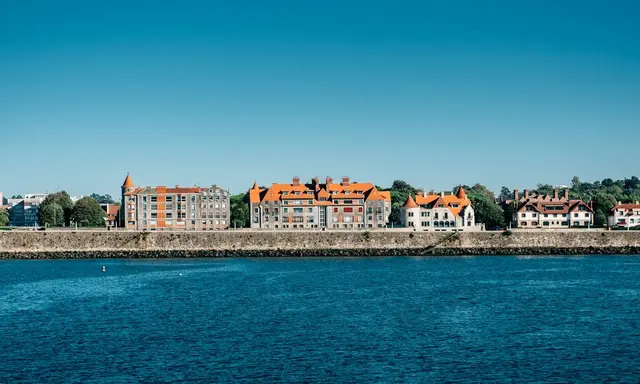
La Rochelle has a strong relationship between its historic centre and waterfront. Towers, quays and public spaces frame an urban maritime setting that feels lived-in rather than arranged exclusively for visiting yachts. After securing the boat, a guest can exchange the horizon of an offshore passage for cafés, covered streets and an evening walk around the old port. It is a pleasing contrast, especially when the crew has spent time handling weather and tides on the approach.
Transport makes that transition easier. The city’s official website describes a sea-bus service linking Port des Minimes and the Vieux-Port in approximately 20 minutes. Timetables vary by season and may be affected by tides, so guests should check the current operating schedule rather than treating the journey as a perpetual shuttle. Cycling and walking are other ways to explore parts of the city, subject to the location of the allocated berth and the preferences of the party.
A relaxed first day in La Rochelle
On arrival, it is sensible to leave the schedule light. Complete port registration, top up necessary supplies, check the next forecast and allow time to settle the boat. Guests can then take the sea bus or another local transfer to the old centre. A meal by the water offers an easy introduction without committing the yacht to another movement. This is particularly appealing for mixed-age families who appreciate a comfortable base after a passage.
The following morning can be devoted to exploring the city at a more deliberate pace. Rather than running between attractions, let the maritime architecture provide the route: quays, towers, streets and markets. A crewed yacht might make it possible for some guests to remain aboard while others spend more time ashore. A private owner with a smaller boat can still enjoy the same flexibility by keeping provisions, freshwater and transport arrangements simple.
Île de Ré changes the atmosphere
Across the water, Île de Ré offers a different setting. Its official tourist office presents Saint-Martin-de-Ré as a fortified village whose maritime history and contemporary pleasures coexist. The harbour is lined with terraces and restaurants, while the surrounding streets and fortifications make an inviting place to wander. The contrast with a large city marina is part of the attraction: a visitor can move from busy docks to smaller streets with a strong island character.
Saint-Martin is not merely an attractive port scene. The local tourist office points to the Musée Ernest Cognacq, which explores several periods of the island’s history, including trade, fortifications and other chapters of its past. For a yacht guest who enjoys more than beaches, this gives the visit texture. The best experience is not rushed; allow time for the museum, the walls and a quiet meal rather than trying to treat the village as a short photograph stop.
The important limitation at Saint-Martin's harbour
The Saint-Martin-de-Ré harbour office is described by the official tourism site as managing 220 berths, including 52 reserved for visiting boaters. It lists practical services such as showers, laundry and weather information. Yet the harbour also contains a basin controlled by a lock and areas subject to tidal conditions. The published berth count is not proof that every yacht in Luxury Yacht Guide’s 12–23.99-metre range is eligible to enter or fit.
Owners must contact the harbour directly about the yacht’s actual dimensions, draught, arrival window, water level and lock operations before contemplating a passage inside. A large or deep-draught craft may be better based at La Rochelle while guests visit Île de Ré using locally available transport. That can produce a more enjoyable visit than attempting an unsuitable berthing manoeuvre. The smartest itinerary respects the physical limits of the harbour.
Sea access and the island's coastal character
Île de Ré's tourist office describes several harbours and boat-access points, and highlights the maritime environment around the Pertuis Breton and the waterways between island and mainland. This coast has long been shaped by the relationship between fishing, sailing and changing water levels. It offers excellent visual interest from the sea, but its shallows and tidal flows deserve close navigational attention.
The tourism board also notes seasonal sea excursions and a maritime connection between the old port of La Rochelle and Saint-Martin-de-Ré. Such services are useful alternatives for guests whose yacht is better left at its main berth. Departure days and times should be confirmed directly, particularly outside the principal holiday months. Booking an excursion does not remove the need to consider sea state, weather and the comfort of everyone in the party.
Beyond the harbour walls
Saint-Martin makes a natural starting point for exploring Île de Ré on land. The official tourist office recommends the island’s villages, fields, forests and coastal paths. Guests who enjoy cycling can experience the landscape at a measured pace, stopping to look at the low coastline and village streets. For others, a local vehicle transfer or short walk may be preferable. The important thing is to avoid treating every part of the island as accessible to every visitor in the same way.
Vineyards and local food traditions add interest to a longer visit. Responsible travel means checking opening times and booking any special visits rather than assuming seasonal businesses remain fully active in November. Quiet months can be rewarding precisely because they are quieter, but a convincing hospitality plan should identify which restaurants, museums and providers actually intend to open on the chosen day.
Thinking about tides before pleasure
Tidal planning is the essential practical thread tying La Rochelle and Île de Ré together. The depth under a yacht, the strength of local streams and the accessibility of harbours can all vary over the course of a day. The Harbour Master’s published approach information is a starting point; current official hydrographic charts and notices remain indispensable. Arrival calculations should include a conservative under-keel allowance appropriate to the craft and prevailing conditions.
A guest itinerary should avoid the assumption that the skipper can move the yacht at any requested time. Instead, set a flexible window and explain the reason for it. In many cases, leaving the yacht securely at Port des Minimes and making an island day trip by established transport gives the guests more freedom. For those who enjoy navigation, a correctly planned passage can itself be part of the experience, with the landscape and traditional seamarks adding interest.
How this coast differs from the Mediterranean
In the Mediterranean, an owner may arrange a succession of short marina stays around a familiar pattern of afternoons at anchor and evenings at restaurants. The French Atlantic offers different considerations: stronger tidal influence, variable conditions, an established sailing culture and more pronounced passage planning. That is not a disadvantage. For confident cruising owners, it is part of the appeal, and it can make the journey feel more engaged with local maritime geography.
Luxury here may mean having the time and expertise to do things properly: a well-prepared approach, a berth confirmed before arrival, an informed local excursion and a crew that can adapt to weather. For a 16-metre motor cruiser, careful fuel and range planning is important. For a 22-metre sailing yacht, rig handling and approach conditions remain central. In both cases, the pleasure comes from matching the programme to the boat rather than expecting the coast to change for the programme.
When to go and how long to stay
The warmer months naturally attract more leisure boating, but a shoulder-season visit can offer quieter streets and an atmosphere that suits owners seeking understated travel. Conditions are less predictable, so flexibility is even more valuable. A two-night stay permits an easy La Rochelle day and perhaps a short island visit. Three or four nights allow the yacht to remain secure while guests explore in greater depth, without the constant pressure of packing and departing.
Check public holidays, venue opening dates, sea-bus timetables and available berths ahead of time. A yacht with an open departure schedule has a substantial advantage over one bound to a tight airport transfer. Weather delays can then be handled as part of cruising life rather than as a failure of the holiday. That is a sensible way to experience a coast whose character has always been shaped by tide and weather.
An Atlantic itinerary with substance
La Rochelle and Île de Ré work well together because they offer different forms of maritime pleasure. One provides a large operating base, nautical services and a historic city; the other offers a smaller island harbour, fortified streets and opportunities to explore a quieter landscape. The combination can suit Luxury Yacht Guide readers seeking a journey that is both comfortable and actively connected with the sea.
The governing advice is straightforward: reserve appropriately, verify dimensions, navigate with current information and build time into the programme. The official figures for Port des Minimes and Saint-Martin show why the destinations deserve attention, but they are not substitutes for individual berth confirmation. With that groundwork complete, guests can spend their days doing what they came for — enjoying the harbours, landscapes and distinctive Atlantic atmosphere.
Primary sources and photo credit
Verified sources: Port de La Rochelle official Minimes specifications, Saint-Martin harbour office listing, Saint-Martin destination information, Île de Ré maritime information and La Rochelle city sea-bus information. Hero photograph: Carnet de Voyage d'Alex, La Rochelle harbour and historic towers, under the Unsplash License.