Mission S makes its New York debut
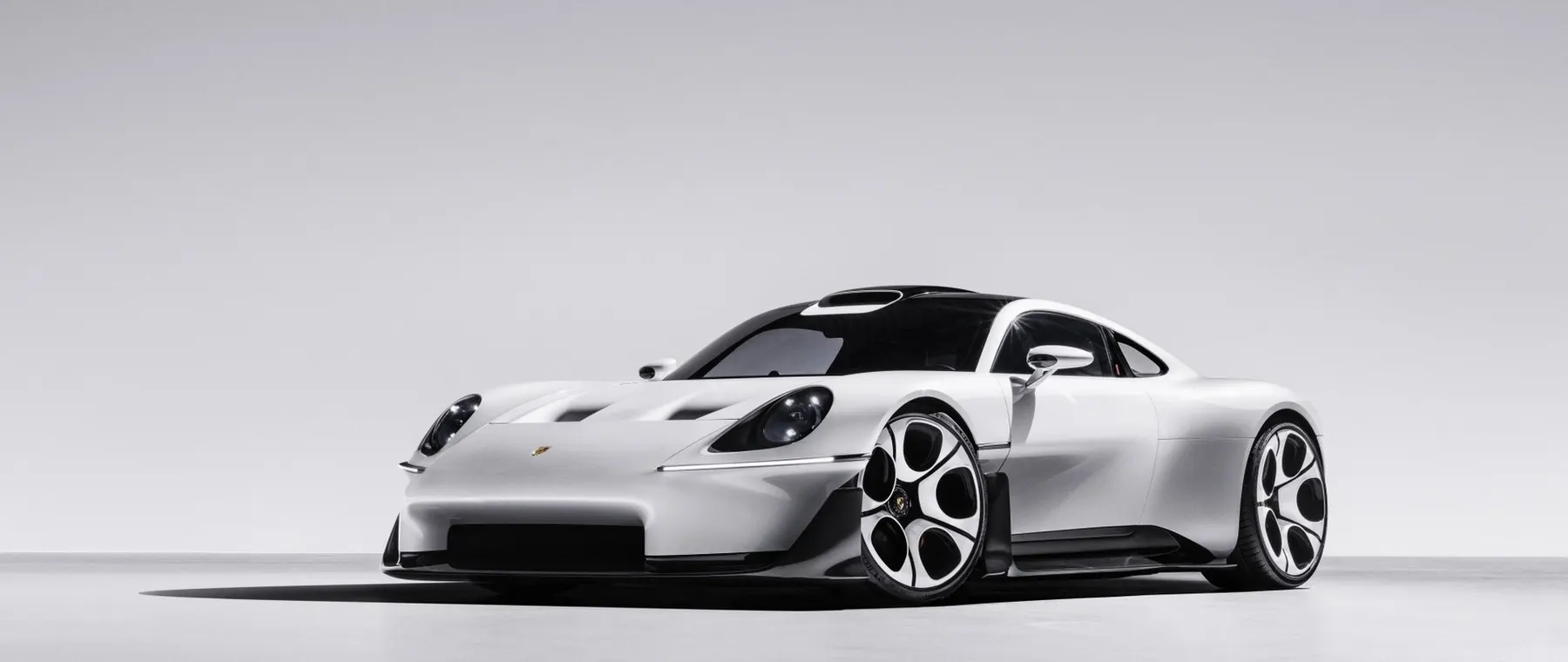
Porsche has presented the Mission S in New York as a forward-looking design study for its next generation of super sports cars. Revealed on 15 October 2026, the concept is intended to demonstrate a design direction rather than a finished production model available to order.
The unveiling took place on a Queens pier with views of Manhattan, recalling a well-known 1953 photo session for the Porsche 550 Spyder. That historical connection was deliberately chosen to link the brand's mid-engined past with its ambitions for the future.
A platform positioned above the 911
Porsche chairman Michael Leiters says the Mission S points toward a permanent mid-engined super sports car platform above the 911. The company distinguishes this proposed addition from a limited one-off hypercar, although production plans, timing and customer pricing have not yet been specified.
The announcement is therefore strategically significant without providing a production specification. No responsible buyer should treat the concept's exterior proportions or show-car details as confirmed features of a future delivered vehicle.
An evolution of Porsche design
The concept combines familiar Porsche visual cues with a more sculptural interpretation of a mid-engined body. Design leadership has emphasised the aim of remaining recognisably Porsche while refining the relationship between the cabin, roofline and functional surfaces.
Large performance cars often acquire complicated aerodynamic features, but the Mission S presentation places importance on a clear design language. Porsche describes the approach as authentic and timeless, a statement of design intent rather than a measurable performance claim.
Fewer distractions inside the cabin
The interior is intended to keep the driver at the centre of the experience, with a blend of analogue and digital control elements. Porsche says the concept deliberately reduces screen surfaces and focuses on direct interaction and ergonomic clarity.
That decision contrasts with the growth of very large touch displays in some modern luxury cars. For enthusiast buyers, the greater question will be whether future production cars preserve the concept's simplicity while still meeting everyday expectations for navigation, connectivity and assistance systems.
What collectors can and cannot conclude
The 550 Spyder reference connects Mission S to cars that are central to Porsche's collecting history. Heritage can lend meaning to a new design, but it does not automatically establish rarity, future market value or the eventual specification of a production vehicle.
For Porsche enthusiasts, Mission S is best understood as a preview of the company's intended direction. Confirmed mechanical details, a launch timetable and customer availability will require separate announcements before meaningful comparisons with existing 911 or mid-engined models can be made.