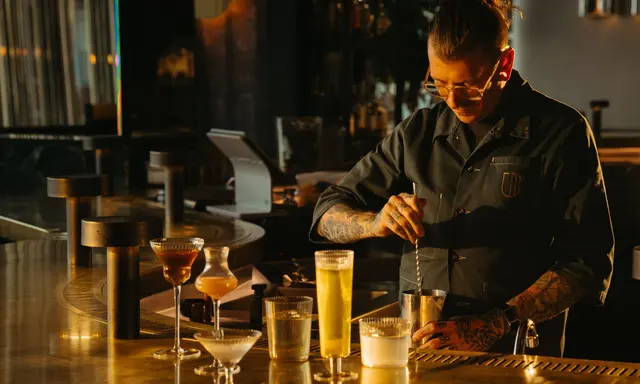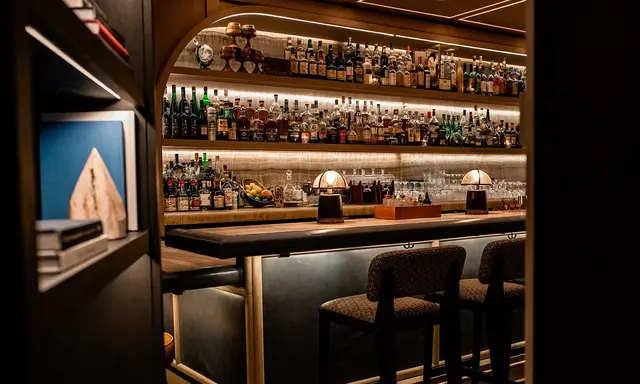
Pavyllon London at Four Seasons Hotel London at Park Lane is preparing an unusually small-capacity dining event with Château Pavie, the celebrated Saint-Émilion estate. The evening is scheduled for Friday, 27 November 2026, with twenty-four guests seated around the restaurant's open-kitchen counter. Announced on 16 November, the collaboration will feature seven wines from the estate, covering vintages between 2006 and 2024, alongside a five-course menu developed under chef Yannick Alléno's direction. Executive Chef Benjamin Ferra Y Castell and the Pavyllon team have designed the food, while the hotel's sommeliers and representatives of the château will discuss the selections. For luxury lifestyle readers, the most compelling subject is the meeting of culinary craftsmanship, careful service and an intimate setting, rather than a suggestion that expensive dining or alcohol should be pursued for its own sake.
Twenty-four places around an open kitchen
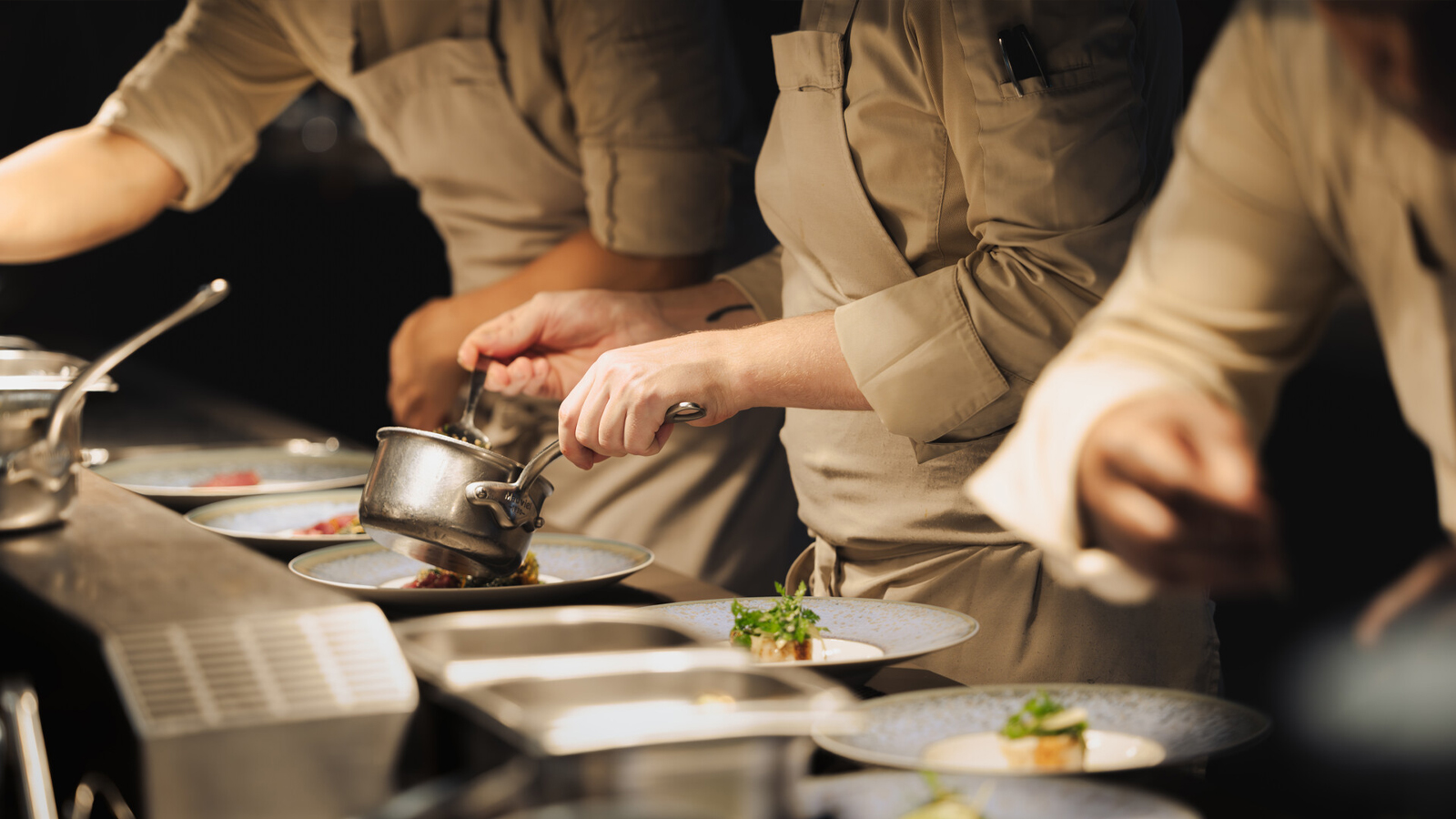
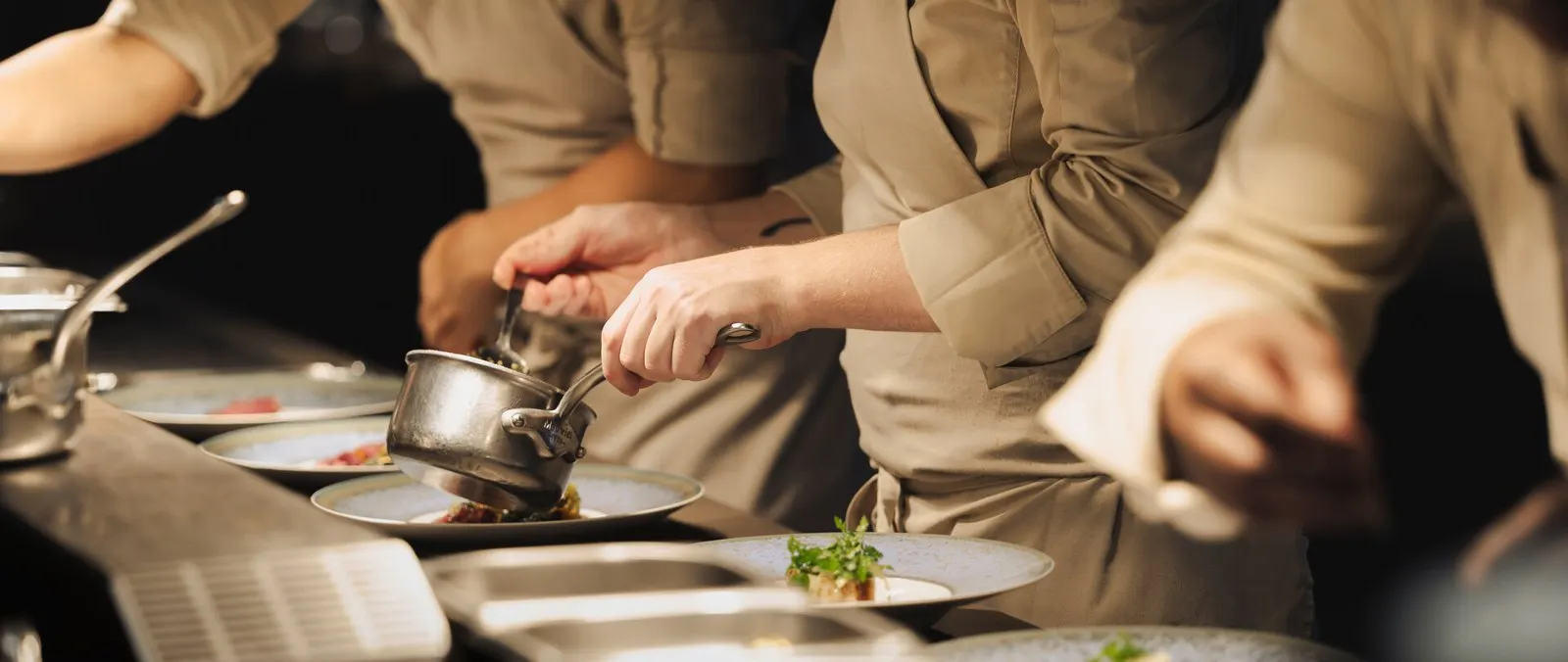
The decision to limit the event to twenty-four guests is important to the format. Pavyllon is known for its counter-based approach, allowing diners to observe aspects of the kitchen's work while a meal progresses. In a conventional large banquet, the relationship between individual courses and the people preparing them can feel distant. A small counter service may make technical details more visible and conversations with the team easier. The experience is nevertheless not equivalent to entering a working kitchen or participating in food preparation. Guests remain diners, and service must meet the same standards of safety, timing and hospitality as any formal restaurant event. The advertised capacity is a defined feature of the November programme, but it does not mean that a table will be available without a confirmed reservation.
Yannick Alléno's role in the collaboration
The press announcement associates the dinner with Yannick Alléno, whose restaurants and culinary career have earned extensive Michelin recognition. Pavyllon London is one expression of his approach to contemporary cuisine, with the open counter allowing guests to follow the preparation and presentation of dishes. Executive Chef Benjamin Ferra Y Castell is responsible for translating the event's concept into the kitchen's work with his team. Such collaborations are most interesting when the menu has a strong culinary identity of its own instead of functioning merely as a platform for a beverage label. The detailed role of each participant should be understood from the official announcement, rather than assuming that Alléno personally prepares every plate or that one individual's reputation guarantees a particular guest experience.
The estate and its Saint-Émilion heritage
Château Pavie is associated with Saint-Émilion on Bordeaux's Right Bank and holds the Premier Grand Cru Classé A designation in the relevant classification. The estate's long history and distinguished status provide context for the event, but classification is not the same as a universal guarantee of personal preference. Different vintages may reflect decisions in the vineyard, weather during the growing season and choices in the cellar. The purpose of presenting several years together is to invite comparison within a common provenance. For visitors interested in agriculture, craftsmanship and place, this can be understood as a form of cultural education. It need not be framed as an invitation to consume large quantities of wine; small, carefully described samples can support a discussion about a region's history and methods.
A range of vintages rather than a single release
The hotel says the evening will present seven wines spanning nearly two decades, from 2006 to 2024. This offers an opportunity to discuss change over time within one estate, although the press release does not establish a complete glass-by-glass tasting sequence or the exact volume served. Comparisons between vintages can be informative because wine production is affected by more than the nominal age of a bottle. Weather, harvesting, storage and the estate's evolving decisions all play a role. A diner may find a younger style more appealing than an older one, and that preference need not be explained away by price or prestige. The important feature of a guided event is the quality of the information provided and the freedom to make one's own assessment.
Arômes de Pavie Blanc 2024 enters the programme
The announcement highlights the recently released Arômes de Pavie Blanc 2024, with Pavyllon London described as the first United Kingdom venue to secure access to serve it. That is a narrow, source-attributed claim, not proof that the wine has become widely available or will be served by every restaurant associated with the brand. A new white wine from a renowned estate can attract interest because it offers another expression of its winemaking approach, but the best way to understand the product is through the producer's documented methods and a careful discussion of its characteristics. Readers should avoid inferring an investment value or guaranteed future scarcity from its place in one limited restaurant event.
The five-course menu and food pairing
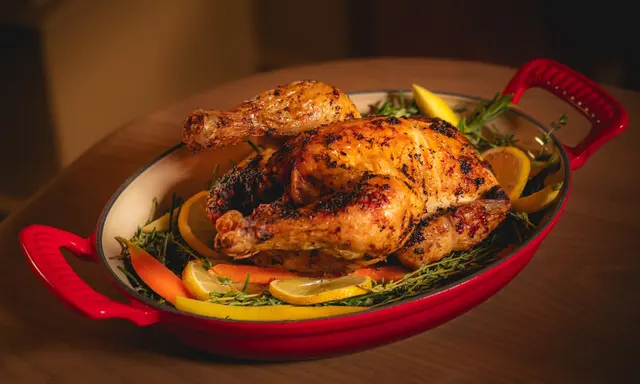
Benjamin Ferra Y Castell and his team have developed a seasonal five-course tasting menu intended to accompany the selected wines. The release does not enumerate every dish, which means an editorial preview should not invent ingredients or claim that particular pairings are confirmed. The skill of designing such a meal lies partly in recognising how food can alter the perception of acidity, texture, sweetness and aroma. An effective pairing should allow the dish to stand on its own while providing an interesting point of comparison with the beverage. Guests with dietary restrictions should contact the restaurant in advance, particularly because small events can have limited capacity to modify courses at short notice. The culinary programme is the central experience, not simply an accompaniment to a collection of bottles.
The role of the sommelier
Head Sommelier Andrea Strocchio is identified by the hotel as one of the figures guiding the event, alongside representatives from Château Pavie. A sommelier's work can involve selecting, storing and presenting wines, but the role is equally about understanding the guest's preferences and explaining the choices with clarity. At a special event, the conversation may extend to vineyard history and the reasons certain vintages were selected. Not every participant will have the same depth of technical knowledge. Good hospitality allows an enthusiast to ask detailed questions without making a newcomer feel excluded. The occasion should be an opportunity to discover the logic of the pairings and the estate's background, rather than an examination in terminology.
A producer's presence adds useful context
The announced participation of Château Pavie representatives is important because it provides a link to the estate beyond the restaurant's own interpretation. A producer can describe harvest conditions, changes in the vineyard and the intentions behind individual releases. That perspective may enrich the conversation, but visitors should remember that the representatives are associated with the producer and therefore offer a first-party account of its work. Independent judgement remains valuable, especially when claims concern quality or significance. A well-informed guest may want to ask factual questions about vintage conditions, cellar practices or storage. The most useful answers are those that illuminate a decision rather than simply repeat promotional descriptions of heritage and excellence.
The theatre of the open counter
Pavyllon's open kitchen contributes a distinctive sense of occasion. Guests can see some of the rhythm of professional cooking, including the coordination required for a succession of courses. A small group seated together may have more opportunity to notice those details than diners spread across a large room. Yet visibility should not be confused with access to every stage of food preparation. The team must still manage complex operations behind the scenes, and the service needs to remain comfortable for guests who prefer conversation to technical commentary. The best counter dining invites curiosity without imposing it. The physical arrangement becomes a way to bring culinary craftsmanship into view while preserving the pleasure of a meal.
Pricing and what is actually announced
The official release advertises tickets at GBP 390 per person, with booking through OpenTable. That is the published event rate, not a universal statement of additional charges, cancellations or services outside the defined evening. Prospective diners should review current booking terms, any deposit, dietary arrangements and whether the price includes all relevant service elements. A twenty-four-seat event can sell out quickly, but the announcement alone does not establish current availability. It would also be wrong to interpret the high ticket price as proof that every guest will find the event worthwhile. Value depends on the culinary quality, service, personal interests and whether the occasion suits the individual. For an editorial publication, clear pricing is useful information, not a recommendation to purchase.
Responsible appreciation and alcohol
A dinner featuring several wines is an adult event involving alcohol, and its luxury positioning does not remove the health or safety risks associated with drinking. Guests may need to consider the amount offered, individual circumstances and transport after the event. No one should be encouraged to consume more than they wish, and abstaining or seeking alternatives should not be treated as diminishing the dining experience. Editorial coverage can focus on the craftsmanship, design of the menu and the cultural history of the estate without claiming that alcohol provides health benefits or that price establishes superiority. The important distinction is between documenting a gastronomic collaboration and promoting excessive consumption. An event's atmosphere should always allow informed, personal choices.
A different kind of London evening
The Park Lane location positions the restaurant within one of London's established luxury hospitality areas. A traveller may combine the dinner with theatre, a gallery visit or a quiet stay elsewhere in the city, although the source does not announce a broader holiday package. The small scale suggests that the occasion is intended to be a self-contained experience rather than a large public festival. Guests should plan transport and allow sufficient time to arrive without rushing. The fact that the dinner takes place during the closing weeks of November gives it a seasonal context, but it need not be treated as part of a fixed Christmas itinerary. A carefully chosen evening can add depth to a short city visit without dominating the entire trip.
The connection to private luxury travel
Owners of 12–24-metre luxury yachts often have interests extending beyond the marine world, including architecture, collecting and fine dining. A limited-capacity restaurant experience can appeal to those who appreciate specialist work and carefully managed hospitality. The parallel with yachting is not technical, and the release does not announce any yacht-related service. Rather, both environments can value personal attention, organisation and a sense of occasion. During the winter, when many vessels are laid up or operating in other regions, owners may choose city-based cultural experiences. Such lifestyle coverage belongs in a magazine addressing the broader interests of a yachting audience, provided its relevance is explained without inventing a marine connection.
What the November announcement confirms
Four Seasons Hotel London at Park Lane announced a Château Pavie dinner at Pavyllon London for Friday, 27 November 2026, with twenty-four guests, seven wines covering vintages from 2006 to 2024, a five-course menu and guidance from the estate and the restaurant's sommelier team. The announced price is GBP 390 per person, with reservations offered through OpenTable. As of 22 November, the event is still forthcoming, but the release does not confirm that seats remain available. For luxury lifestyle readers, the development illustrates a small-scale collaboration between a celebrated French wine estate and a restaurant known for direct engagement with its kitchen. Its editorial interest lies in craft, provenance and hospitality, not an assumption that scarcity or expense guarantees excellence.
Sources and image credits: Four Seasons Hotel London at Park Lane original 16 November 2026 press release, Pavyllon London Welcomes Château Pavie for Exclusive Wine Dinner, together with subject-specific official photographs from the hotel's downloadable press media gallery. All dates, prices and roles are attributed to Four Seasons and Château Pavie; historical context, responsible-consumption caveats and travel analysis are independent Luxury Yacht Guide reporting.
Sources and image credits
Reporting based on Four Seasons Hotels and Resorts original November 2026 press release on Pavyllon London Prepares an Intimate Château Pavie Wine Dinner.
Lead photograph: Pavyllon London Prepares an Intimate Château Pavie Wine Dinner — official Four Seasons first-party editorial press photograph. Four Seasons Hotels and Resorts, official hotel press gallery, November 2026 Original official image source.