Winter charter pricing programme enters its seventh season
New Flight Charters has renewed its programme of covering eligible aircraft de-icing and hangar charges during the winter travel season. In an announcement issued on 17 November 2026, the Wyoming-based charter brokerage said that it would absorb up to US$2,500 per trip towards those costs. The programme applies nationwide in the United States and is entering its seventh consecutive winter, according to the company.
For yacht owners and other travellers arranging private flights to mountain destinations, the announcement highlights a part of the charter quotation that deserves particular attention. The price of an aircraft and its crew for a journey does not necessarily encompass every service required at an airport. Winter conditions can create additional operating requirements whose exact cost may not be known when the trip is first arranged.
The brokerage's offer is a commercial arrangement for dealing with certain supplementary charges. It is not an alternative to the operational procedures that determine whether an aircraft is safe to depart. Those decisions remain the responsibility of the operators and appropriately qualified personnel.
Why winter travel differs from coastal travel
An owner accustomed to travelling between Mediterranean or Caribbean cruising destinations may encounter a different range of practical considerations when arranging a winter holiday in the mountains of North America. Airports serving ski resorts can experience snowfall, low temperatures and rapidly changing weather. The facilities and services available at a particular airport may influence both the planning of the flight and the arrangements made while the aircraft is on the ground.
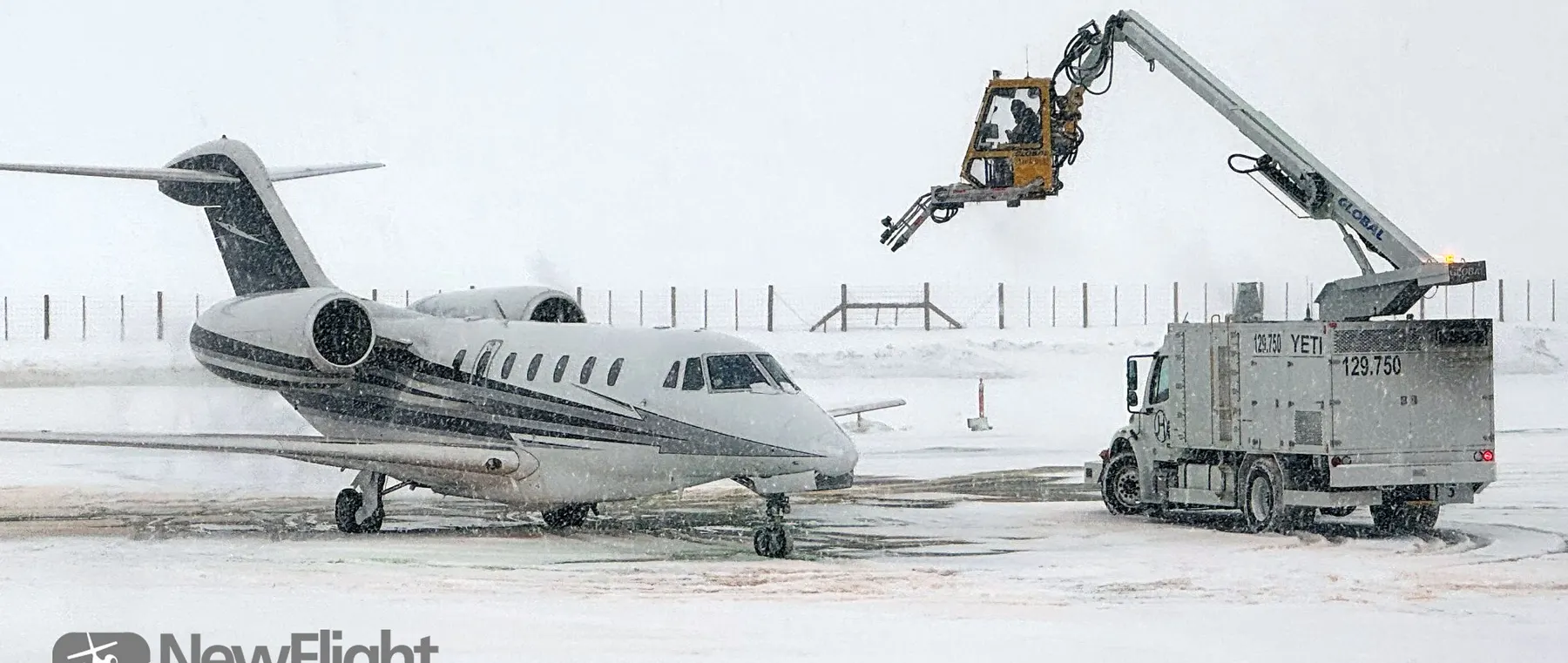
One concern is the accumulation of contamination such as snow or ice on aircraft surfaces. Its removal, when required, is an essential operational matter rather than a discretionary luxury service. Suitable procedures depend on the aircraft, prevailing conditions and the applicable technical requirements. Passengers should not attempt to determine for themselves whether treatment is necessary or whether an aircraft should depart.
The relevance of the brokerage's programme is therefore the allocation of costs rather than any modification to the safety process. A traveller may appreciate greater certainty about the amount they will be asked to pay, while the operator must remain able to arrange whatever measures are required for safe operation.
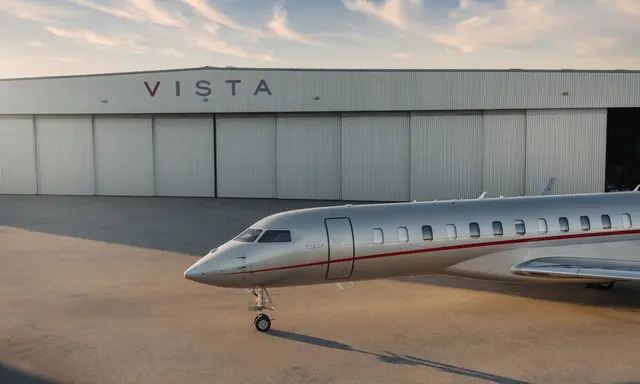
An aircraft kept in a suitable hangar before departure may also be protected from some exposure to winter precipitation. Hangar availability and the operational requirements of the aircraft need to be considered by the provider. The November announcement includes certain hangar charges within the same financial allowance.
The meaning of the US$2,500 limit
New Flight Charters identifies the maximum contribution as $2,500 per trip. That figure is central to the interpretation of the offer. It should not be understood as unlimited coverage of all weather-related expenditure or as a guarantee that every charge will be absorbed irrespective of its size.
The company's announcement discusses the variation in charges between airports and aircraft types. As an illustration, it estimates that a treatment involving fifty gallons of fluid could cost approximately $3,038 at Jackson Hole Airport this season. That example is above the advertised allowance. It also relies on assumptions about the amount of fluid and the applicable airport charges, which may differ in individual circumstances.
A prospective client should establish how the programme operates if eligible de-icing and hangar expenses together exceed the limit. Clarification may also be needed about the definition of a trip, particularly where an itinerary involves several legs, different aircraft or multiple winter departures.
It would be prudent to ask for the coverage conditions in writing alongside the actual charter quotation. The relevant questions concern what is included, when the allowance applies and which costs could remain payable by the client. The advertised limit provides a useful starting point for that conversation.
How costs arise at the airport
The brokerage identifies several elements that contribute to the cost of de-icing services. They include the treatment fluid, specialised equipment, trained personnel and the airport infrastructure necessary to carry out the work. The amount charged for a particular operation may therefore reflect more than the purchase price of the liquid used.
Aircraft dimensions are another consideration. Different aircraft have different surface areas and treatment requirements, while weather can influence the nature and extent of the operation. The figures quoted by one service provider for a specific location cannot necessarily be applied to another airport.
The company's release discusses the distinction between fluid used to remove existing contamination and products intended to help protect treated surfaces for a limited period. These are technical matters that belong within the operator's procedures. The suitability of a particular treatment and the decision about departure should never be inferred from its price or from a passenger's preferred timetable.
For a traveller comparing a quotation from two providers, the useful question is not simply which one estimates the lowest de-icing charge. It is whether the conditions associated with each quotation have been identified and explained clearly enough for the total cost to be understood.
Comparing charter arrangements with prepaid programmes
The announcement also raises a broader issue in private aviation: the way supplementary costs are allocated depends on the commercial model chosen by the traveller. An on-demand charter may be arranged and paid for as a distinct journey, while a prepaid flight-hour programme or membership arrangement may involve a different set of charges and inclusions.
It would be misleading to assume that every provider within any one of those categories follows identical practices. A programme that advertises an inclusive hourly rate may still contain qualifications or exclusions, and the terms of a charter can vary according to the aircraft, destination and circumstances of the journey.
For someone planning several winter trips, it may be helpful to compare the actual total quotations and contractual provisions rather than relying only on an advertised hourly rate. Aircraft positioning, airport fees, overnight arrangements and the treatment of changes to the itinerary can all affect the final amount.
New Flight Charters describes its own model as payment for individual charters rather than a purchase of a substantial prepaid membership. Its winter allowance is presented as part of that approach. Whether the arrangement offers good value for a particular traveller will depend on the aircraft options, route, applicable conditions and competing quotations available at the time.
Planning a winter journey around operational realities
The brokerage identifies mountain airports including Jackson Hole, Aspen, Eagle and Telluride as destinations where winter operating expenses can be significant. Their popularity with visitors does not mean that the same airport or aircraft is appropriate for every journey.
Passengers can make travel planning more resilient by considering the whole itinerary. The availability of suitable ground transport, accommodation and realistic alternatives may matter if weather disrupts a proposed arrival. A family travelling to a ski resort may have a different tolerance for changes from someone who must attend a particular engagement at a fixed time.
It is useful to discuss such possibilities with a reputable charter adviser before committing to the flight. Questions may include the operator's approach to itinerary changes, the handling of delays and the circumstances in which an alternate airport could be considered. A traveller should also establish which expenses would be their responsibility under the applicable contract.
Forecast conditions and operational decisions can change after a booking is made. A programme that contributes towards treatment or shelter expenses therefore cannot eliminate all uncertainty associated with winter travel. Its purpose is narrower: helping to manage specified costs when those services become necessary.
Evaluating the winter offer
The renewed programme provides a timely reason for prospective charter clients to examine the inclusions in their winter travel plans. Its advertised contribution is particularly relevant where the total quotation otherwise leaves de-icing and hangar charges to be determined after the journey.
The arrangement should nevertheless be evaluated in conjunction with the quality and suitability of the actual aircraft operator, its relevant authorisations, and the procedures governing the proposed flight. Commercial promises about price do not establish an aircraft's suitability for a particular airport or weather condition.
For Luxury Yacht Guide readers, the development illustrates an important dimension of premium travel: the value of knowing how responsibilities and costs are allocated when a journey requires additional services. Good coordination involves more than selecting an attractive aircraft or a convenient departure time. Understanding the agreement, maintaining realistic expectations and allowing qualified aviation professionals to make operational decisions are equally significant parts of a well-planned winter trip.
Sources and lead image
Source documentation: https://www.prnewswire.com/news-releases/jet-charter-brokerage-new-flight-charters-announces-seventh-year-covering-de-icing-and-hangar-charges-nationwide-302942874.html. Lead image: Private jet receiving de-icing treatment at Jackson Hole Airport, official New Flight Charters press photograph — New Flight Charters, official press photograph; PR Newswire editorial-use media terms https://prnmedia.prnewswire.com/prnj-faq/. Official issuer-supplied press photograph, reproduced for editorial coverage of the specific announcement and resized for web display.