Two eras of Maserati meet in Bologna
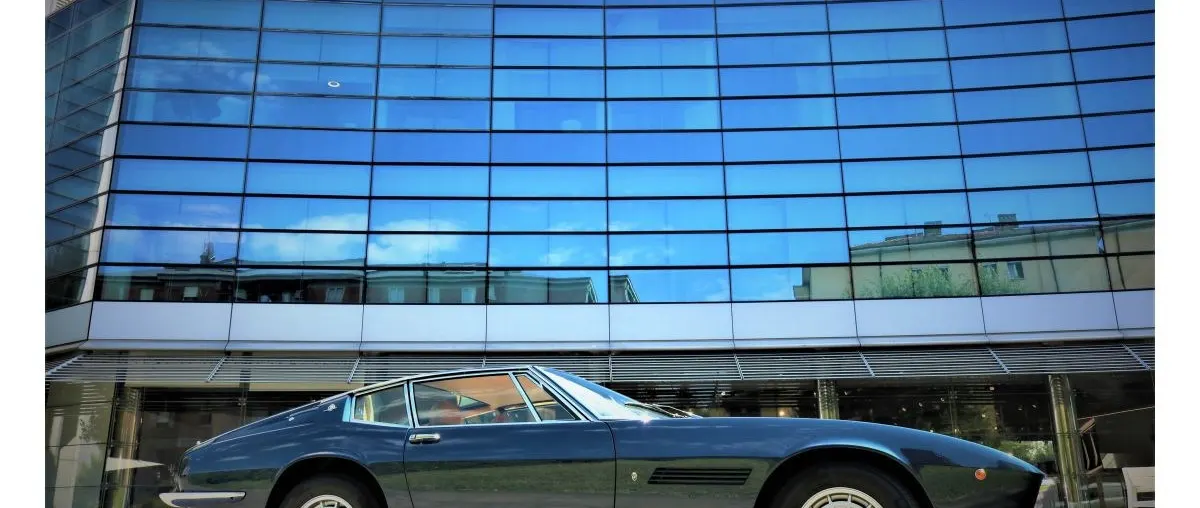
Maserati will exhibit a 1972 Ghibli SS Coupé beside a new GranTurismo Trofeo at Auto e Moto d'Epoca 2026. The classic-car event takes place at BolognaFiere from 22 to 25 October and coincides with the centenary of the brand's Trident emblem.
The presentation is an opportunity to compare two interpretations of Italian long-distance performance, one created in the era of carburetted V8 engines and the other designed around a modern twin-turbo V6 and advanced vehicle technology.
Why the location matters
Maserati was founded in Bologna in 1914, and the Trident symbol first appeared on the Tipo 26 in 1926. Alfieri Maserati drove that car to a class victory and eighth place overall at the Targa Florio.
The 2026 display therefore links the marque's home city with its early motorsport achievements. A visit to the historic-car exhibition allows enthusiasts to see that story alongside the brand's present design philosophy.
A 1972 Ghibli SS with distinctive provenance
The Ghibli SS Coupé on Maserati's stand was built on 3 July 1972 and was originally destined for Germany. It has a 4.9-litre V8 producing a quoted 335 metric horsepower and is paired with a ZF five-speed manual gearbox.
Maserati states a 280 km/h maximum speed for the car, a remarkable figure for its era. The Ghibli design was created by Giorgetto Giugiaro for Ghia and debuted at the Turin Motor Show in 1966.
The low bonnet was an engineering choice
Part of the original Ghibli's long, low profile was made possible by the engine's dry-sump lubrication, which allowed the V8 to sit relatively low in the chassis. The result helped create one of the most recognisable silhouettes of Italian grand touring.
The Ghibli originally used a 4.7-litre V8, with the more powerful 4.9-litre SS introduced later. A second example from 1970 is expected at the FIVA stand during the Bologna event.
A modern GranTurismo Trofeo brings 590 horsepower
The present-day GranTurismo Trofeo will be shown in Verde Giada. Its three-litre Nettuno V6 produces 590 horsepower and 650 Nm of torque, according to the manufacturer's official release.
The modern powertrain uses pre-chamber combustion technology informed by motorsport development. Maserati quotes a top speed exceeding 320 km/h, but the core grand-touring proposition combines long-distance comfort with the ability to cover ground quickly.
Craftsmanship spans two approaches
The Trofeo incorporates all-wheel drive and detailed carbon-fibre elements, with Alcantara and other technical finishes inside. Its modern cabin is a substantial departure from the more analogue environment of the early Ghibli.
However, both are presented as cars for drivers who value performance without giving up design and comfort. Owners considering classic and modern vehicles will face very different maintenance, parts and usability requirements.
Heritage specialists join the programme
On 23 October, Maserati Classiche head Cristiano Bolzoni will speak about factory heritage, while Davide Baldini, head of Maserati Fuoriserie, will discuss the marque's centenary. Both sessions are scheduled at the ACI Storico stand in Pavilion 25.
The company also plans to explain its Classiche certification programme, which evaluates historical documentation and technical characteristics of eligible older and special-edition cars. It is relevant to collectors who want to understand originality and provenance before purchase.
Practical guidance for collectors
For anyone attending Auto e Moto d'Epoca, the comparison is most meaningful when looking at the actual construction, proportions and interior of each car. The two models serve different ownership purposes even if they share a nameplate's grand-touring spirit.
A classic example should be assessed for documented history, restoration quality and specialist support. A modern purchase involves a different set of considerations, including current options, warranty arrangements and everyday usability. The Bologna display is an exhibition, not an independently verified comparison test.