An unusual journey before the first drive
A Gulfblue Porsche 911 Carrera GTS has travelled roughly 23,000 kilometres by sea to reach its new owner in French Polynesia. Porsche detailed the 78-day logistics journey in a story published on 19 October 2026, illustrating how premium sports cars can reach buyers thousands of kilometres from their manufacturing base.
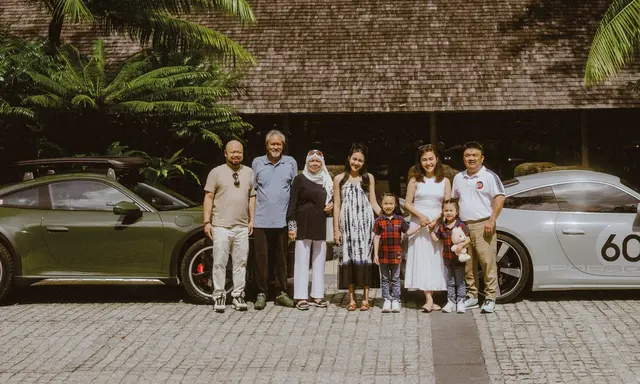
The car belongs to Paul Pouvil, a long-time Porsche customer in Tahiti. His local importer, Jérôme Lety of Centre Porsche Polynésie Française, helped create a highly individual specification inspired by Le Mans, Steve McQueen and the light-blue liveries associated with historic motorsport.
From Bremerhaven to the South Pacific
The 911 began its voyage from Bremerhaven, Germany, on 20 February 2026 aboard the vehicle carrier Höegh Trove. The ship crossed the Atlantic, followed the African coast and rounded Cape Agulhas before crossing the Indian Ocean towards Australia and New Zealand.
The vessel reached Auckland on 28 April. The car then continued aboard the container ship Capitaine Kupe, departing the following day and arriving in Papeete, Tahiti, on 9 May. Porsche calculated the total transit at approximately 1,872 hours.
An 18,000-kilometre dealership relationship
Porsche's importer in Tahiti operates about 18,000 kilometres from Stuttgart as the crow flies, making it the company's most distant showroom. French Polynesia covers a vast Pacific territory of islands and atolls, so both delivery logistics and local support require planning.
A remote buyer cannot assume that replacement components or specialist services will arrive as quickly as they do in mainland Europe. Owning a complex sports car in an island setting involves the quality of the local dealership as well as the car itself.
A colour that recalls Le Mans
The exterior uses Gulfblue through Porsche Exclusive Manufaktur, referencing the familiar 1970s endurance-racing look made famous by the 1971 film Le Mans. Silver stitching, coordinated belts, carbon accents and a titanium exhaust system create a theme that carries through the car.
It is an example of personalisation based on an owner's interests rather than simply selecting the most expensive equipment available. Pouvil's enthusiasm for McQueen and Porsche's racing history helped shape the finished specification.
A first drive on Mooréa
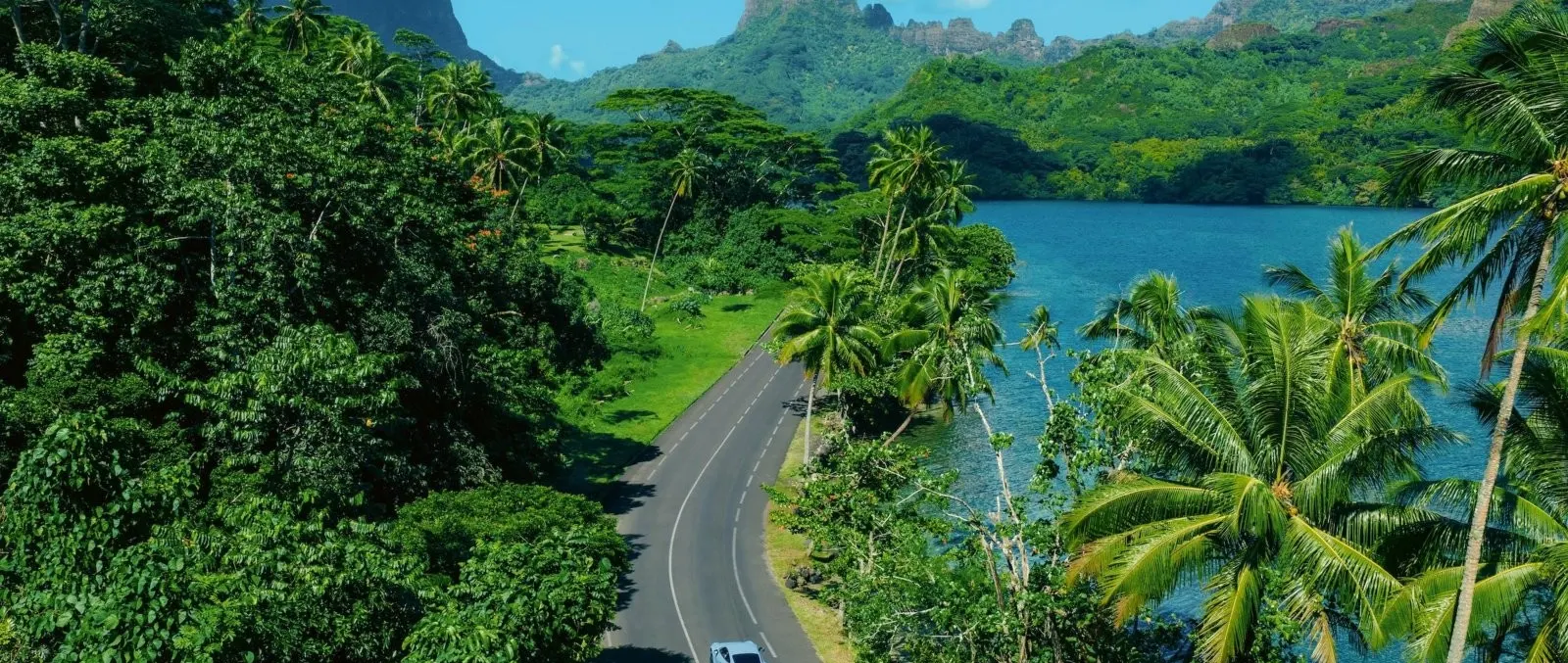
The owner's early driving itinerary included a ferry crossing from Tahiti to neighbouring Mooréa. The island's coastal roads bring the sports car into a landscape of turquoise water, mountains and small settlements, a very different setting from a European motorway.
The contrast also reveals a practical limitation: local speed limits are generally around 80 kilometres per hour on rural roads, far below the car's performance capacity. The pleasure comes from handling, design and the setting rather than attempting top-speed runs.
The technology behind the GTS
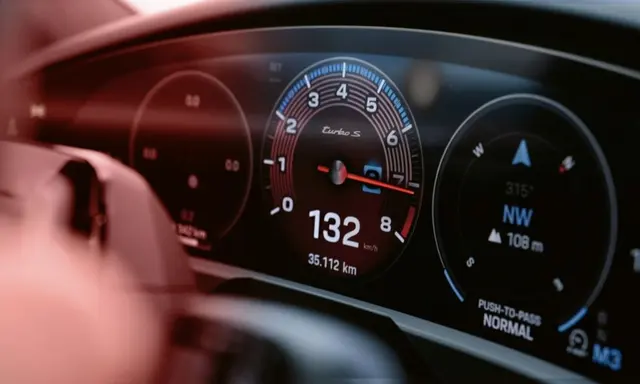
Porsche's current 911 Carrera GTS combines a 3.6-litre flat-six with T-Hybrid technology. The manufacturer's published figures for the variant include around 398 kilowatts, or 541 metric horsepower, and 610 newton metres of torque.
Those capabilities do not change the need to respect local road conditions and driving rules. In a remote tropical climate, practical questions about tyre availability, maintenance intervals and suitable fuel also deserve attention.
Car ownership as a global luxury experience
The story underlines the extraordinary lengths to which a manufacturer and its dealer network can go for a loyal customer. It also exposes the infrastructure involved in delivering an individualised product to an island far from major commercial centres.
The transport journey should not be romanticised as emissions-free travel: two ships and numerous ports were part of the logistics chain. For luxury buyers, the experience encompasses production, global transport and the quality of support after a car is delivered.
Why the Pacific setting matters
Porsche chose to present the vehicle against Tahiti's lagoons and the dramatic landscape of Mooréa. It shows how a product strongly identified with European racing history can take on another character when used for island life.
For travellers interested in both motoring and yachting, the story connects two worlds of high-end transport. It is ultimately a tale of a customer receiving a customised car, not a public launch or new vehicle model.