Four Seasons Hotel Jakarta has appointed Soner Alpkaya as Executive Chef, bringing an internationally experienced culinary leader to a property with several distinct dining venues. Announced on 9 November 2026, the appointment places Alpkaya in charge of the hotel's restaurant kitchens, pastry operation, banquets, in-room dining and bespoke culinary experiences. The Turkish-born chef has worked across Europe, Asia, the Caribbean and the Middle East, including roles connected with Michelin-recognised dining and substantial hospitality operations. For international luxury travellers, the development is a useful example of how a hotel can combine global expertise with the challenge of expressing a particular destination. The release describes a new culinary direction, not the opening of a new restaurant or a completed tasting programme that has already received an independent review.
A chef's appointment affects several different experiences
An executive chef at a large hotel is responsible for more than an individual restaurant's menu. Four Seasons identifies Alto Restaurant & Bar, Palm Court, Nautilus Bar and La Patisserie among the outlets under Alpkaya's supervision, along with banquets and room service. These settings serve different purposes. Alto's Italian-inspired dining can demand a different rhythm from a relaxed meeting at Palm Court; a cocktail bar needs another kind of food and beverage coordination; and a pastry operation depends on precision, timing and consistency. A leader must help each venue retain a recognisable personality while making good standards of food preparation and service dependable across the property. The announcement establishes the responsibilities but not a complete programme of changes.
International experience needs local understanding
Alpkaya's career has included work in several regions, and Four Seasons describes him as having contributed to recognised restaurants and led complex operations. The company does not provide a complete independently audited employment record in its release, so broad claims about awards should remain attributed to the operator. The more interesting question is what an international career can contribute to a Jakarta kitchen. Experience in different hotels may help a chef manage diverse menus and guest expectations, but imported methods must be adapted to the knowledge of local team members and producers. Successful luxury hospitality should be rooted in its destination rather than recreate the same international offerings regardless of location.
Türkiye as an early influence
Four Seasons identifies Alpkaya as born in Türkiye, a country with varied culinary traditions, regional produce and long-established hospitality practices. It would be tempting to predict a Turkish menu or a particular signature dish from that biography, but the hotel has announced no such plan. A chef's background shapes perspective without dictating every choice made in a new position. What matters for the Jakarta operation is whether his experience encourages curiosity about ingredients and techniques while respecting the identities of the hotel's existing venues. The announcement repeatedly emphasises connection and storytelling, but the results will need to be assessed through future dishes and experiences rather than assumptions based on nationality.
Jakarta offers its own culinary context
Indonesia's capital sits within a country with an extraordinarily diverse range of regional cuisines. The chef has stated his eagerness to learn from Indonesian ingredients and traditions. That intention is notable because a hotel with an international guest base could otherwise rely on a standardised menu that communicates little about the surrounding city. Local discovery can include conversations with producers, market visits and learning from experienced cooks. However, the November release does not name a new supplier network or establish that particular dishes have been developed. A responsible preview distinguishes an aspiration to engage with regional food culture from a verifiable programme already operating.
Alto Restaurant & Bar retains an individual identity
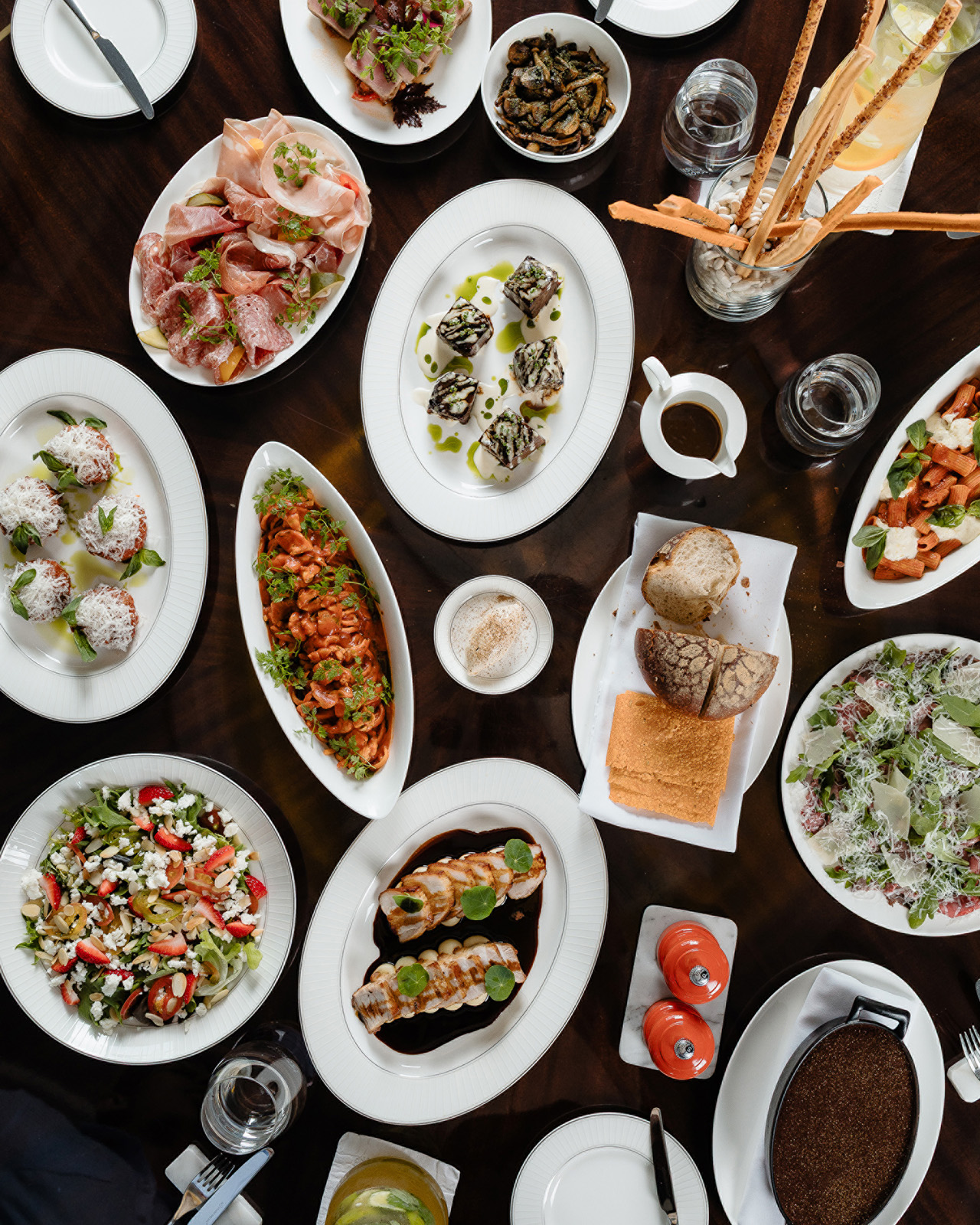
Alto is identified by Four Seasons as one of the restaurants under the chef's supervision. The property's Italian-inspired dining offering has its own culinary references and guest expectations, and a new executive chef should not be described as replacing its concept without official confirmation. The challenge can be to support an existing kitchen while allowing creative development over time. Ingredient quality, timing and a coherent relationship between courses often matter more than adding fashionable effects. Diners visiting Jakarta may appreciate both a sophisticated international meal and an opportunity to try regional Indonesian cooking elsewhere in the city. Those are complementary interests rather than competing definitions of luxury.
Palm Court provides another kind of hospitality
Palm Court is associated with hotel dining and gathering in a setting suited to conversation, informal meetings and slower meals. Such venues can be especially important to guests who spend several days at a property, because they provide a place for recurring routines rather than only special occasions. The hotel's announcement includes Palm Court in Alpkaya's remit, but it does not promise a particular afternoon tea, chef's-table event or seasonal package as a consequence of his arrival. The useful expectation is that food quality and service across different venues will be part of the same leadership framework. The chef's work may be visible in everyday breakfast as well as in elaborate dining.
Nautilus Bar combines beverage and culinary decisions
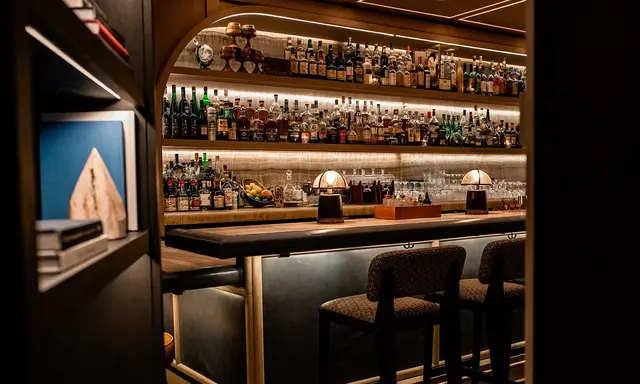
Nautilus Bar has a distinct cocktail identity within Four Seasons Jakarta. Coordinating food with beverages requires more than adding elaborate garnishes or small plates. Flavour balance, timing and the relationship between savoury or sweet dishes and drinks can shape a guest's evening. The executive chef's remit includes the bar, but beverage specialists also contribute their own knowledge. A productive collaboration respects those different skills. Importantly, the hotel's separate announcement of a new Nautilus cocktail menu should not be confused with the chef appointment: the two stories may involve the same property, but they concern different developments. This article reports Alpkaya's leadership role, not a repeat of the bar's existing menu launch.
La Patisserie and the discipline of detail
A pastry operation can reveal the complexity hidden in a seemingly simple hotel experience. Cakes, small pastries, chocolates and baked products demand careful control of ingredients, temperature and storage. A busy hotel's pastry team may serve guests in several settings, including events and in-room dining. Four Seasons lists La Patisserie within Alpkaya's responsibilities, although the announcement does not specify whether its product range will change. Strong culinary leadership can involve creating conditions where specialists have the tools, time and training to maintain consistency. That work may be less visible than a signature dessert but can have a greater effect on the overall guest experience.
Events and banquets require organisational skill
The hotel's banquet and bespoke dining services are also part of the executive chef's brief. Catering for a large event demands a different set of decisions from serving a small restaurant table. Food must be prepared, transported and served at the appropriate temperatures and within an agreed schedule. Special dietary requirements and staffing must be organised before guests arrive. The Four Seasons biography mentions Alpkaya's experience managing sizeable operations, which may be relevant here. Nevertheless, the release does not announce new event capacities or specific menus, so readers should not infer guaranteed availability or pricing. A chef's appointment is a step in organisational development, not a booking confirmation.
Mentorship as a central part of the role
Four Seasons highlights the chef's belief in mentoring teams and developing an environment where people can learn. This is important in hospitality because culinary knowledge is transmitted through repeated practice, feedback and collective experience. A new leader can influence standards by explaining the reasons behind a technique rather than only requiring staff to repeat it. However, the hotel's publicity statement is not evidence that a particular staff development programme has already produced results. It is better understood as a declared management philosophy. The work of chefs, cooks and service teams should remain visible in editorial coverage rather than attributing an entire hotel's performance to one executive.
Culinary storytelling has practical limits
Alpkaya's appointment is presented through the idea that meals are remembered for the people and conversations around them as well as the food. That is a plausible description of hospitality, but the phrase storytelling can become unhelpful if it substitutes for accurate information. Guests still need clear menus, ingredient descriptions, respectful service and suitable responses to allergies. The atmosphere of a restaurant cannot make up for inconsistent preparation. A successful culinary story begins with a coherent dish and honest representation of its ingredients. If local traditions are referenced, the people and communities that maintain those traditions deserve careful treatment rather than being reduced to decorative themes.
Learning from Indonesian ingredients
The source records Alpkaya's interest in Indonesia's regional food cultures and indigenous ingredients. Indonesia's geography creates substantial differences in climate, produce, farming and culinary traditions across its islands. No single restaurant can represent that diversity in a complete way. A hotel chef might explore specific products and preparations as part of future programmes, but none should be named as confirmed menu items without evidence. The opportunity lies in collaboration and curiosity. Working with local cooks and suppliers may give international guests a richer experience while providing chefs with new knowledge. The appointment sets out that ambition; the details remain to be seen.
Leadership at a destination hotel
General Manager Samit Ganguly describes the appointment as part of the hotel's continuing development. A property of this kind operates in a competitive hospitality environment, where guests may compare dining options as much as rooms or service. Bringing in an executive chef with international experience is one way of setting direction, but readers should avoid interpreting a personnel announcement as proof that an entire restaurant has changed overnight. Improvements in kitchens can be gradual. They may involve systems for purchasing and training before being visible in new menus. The most meaningful test is the quality and coherence of the experience over time.
Visitors should verify present offerings
As of 22 November 2026, the official announcement confirms the appointment but does not provide a new set of prices, tasting menus or exclusive dinner dates. Travellers interested in Alto, Palm Court, Nautilus Bar or La Patisserie should check the hotel's current listings and reservation arrangements. That is particularly important when an article refers to a recently appointed leader: plans may evolve, but present availability should never be inferred from an aspiration. Diners with dietary restrictions need direct, up-to-date information. Reporting on an executive chef should make the distinction between leadership, existing operations and future programmes clear.
What the news means for international travellers
Jakarta is a major commercial and cultural destination, and travellers may visit for business, leisure or as part of a wider Asian journey. A hotel dining programme can be convenient, but the city's wider food culture is essential to understanding the destination. Guests should make room to discover independent Indonesian restaurants and regional influences beyond international luxury venues. Four Seasons' culinary leadership is one element in that broader picture. The appointment may be interesting to visitors who value carefully run hospitality, but it should not imply that experiencing Jakarta's food culture requires dining only in a premium hotel.
Relevance to the luxury yachting audience
Owners and guests of 12–24-metre luxury yachts often have interests in international travel, skilled hospitality and destination dining beyond their time on board. A new executive chef in Jakarta is therefore relevant as lifestyle coverage, not because Four Seasons has announced a maritime service. The November release contains no yacht charter package, marina partnership or private-vessel catering arrangement. Its connection to the audience is the attention given to craftsmanship, personal service and the ability of a place to express a distinct identity. These qualities can be appreciated both afloat and ashore without inventing a direct commercial relationship.
An appointment that begins a longer story
The news reported by Four Seasons on 9 November is the appointment of Soner Alpkaya as Executive Chef, with a remit spanning several Jakarta restaurants and hospitality functions. His career covers a variety of international settings, while his stated priority is to engage with Indonesian ingredients and culture as he leads the team. Those are confirmed elements; the eventual dining changes and guest response remain to be documented. For luxury lifestyle readers, this is the beginning of a culinary leadership story rather than the conclusion. The most useful follow-up will be evidence of how the chef and his colleagues translate their ideas into identifiable dishes, service and experiences.
Sources and image credits: Four Seasons Hotel Jakarta, original official announcement dated 9 November 2026, Four Seasons Hotel Jakarta Welcomes Acclaimed Culinary Leader Soner Alpkaya as Executive Chef, and the official downloadable first-party media gallery. Named venues, career description and corporate statements are attributed to Four Seasons; wider culinary analysis is original Luxury Yacht Guide editorial reporting.
Sources and image credits
Reporting based on Four Seasons Hotel Jakarta 9 November 2026 original executive-chef announcement.
Lead photograph: Four Seasons Jakarta Welcomes Soner Alpkaya to Lead Its Kitchens — original Four Seasons official press photograph. Image: Four Seasons Hotel Jakarta, official original photograph from the Alto Famiglia Lunch Club press gallery. Illustrative hotel culinary photograph, not a portrait of Soner Alpkaya. Original official image source.