A vintage watch programme arrives in Hong Kong
For collectors of mechanical watches, Hong Kong offers a rare opportunity to examine several examples of the manufacture’s historical engineering in one location. The display combines historical examples with new contemporary designs and practical watchmaking demonstrations.
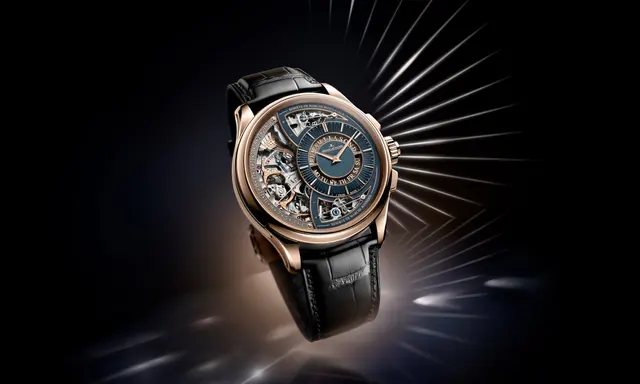
This is the first time the company has organised the programme as a dedicated exhibition, giving visitors a chance to consider vintage originals alongside related contemporary watches. For collectors who normally encounter historic pieces one at a time through auction catalogues, a comparative display can reveal technical continuity that is harder to appreciate in photographs.
Four stories from nearly a century of watchmaking
The exhibition traces four recurring themes in Jaeger-LeCoultre’s history: Duoplan, Reverso, Memovox and Precision. These are not simply decorative styles, because each reflects a technical problem the manufacturer sought to solve at a particular point in the development of the wristwatch.
The Duoplan architecture, introduced in 1925, pursued extreme miniaturisation through a movement arranged across two levels. Reverso, created in 1931, responded to the practical demands of polo players by providing a swivelling case that could protect the dial against knocks.
Memovox introduced a mechanical alarm to the wristwatch in 1950, while the Precision section explores advances spanning the Triple Calendar, Geophysic and other models. Seen together, the watches demonstrate that an important collector’s piece may be valued for an original technical idea as much as for precious materials or an elaborate complication.
Restoration carried out by the manufacturer
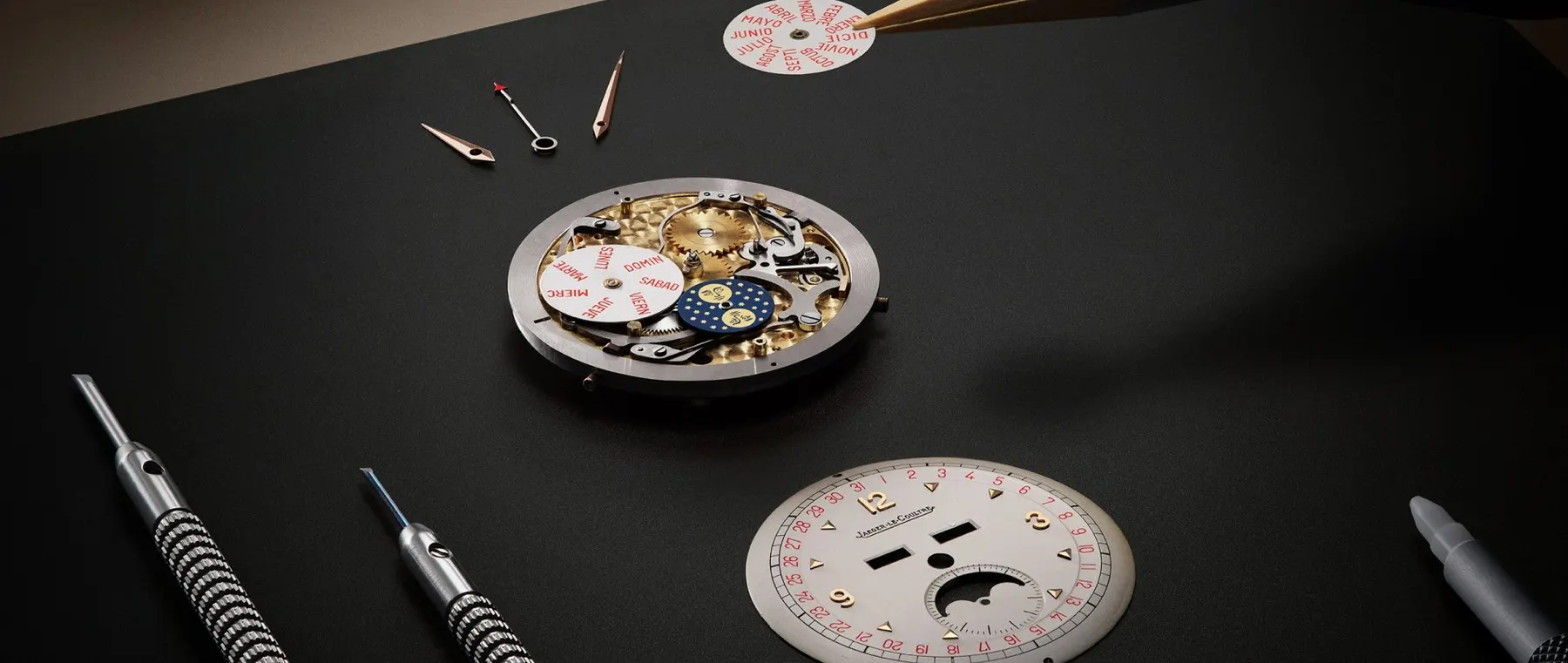
Jaeger-LeCoultre says the watches in The Collectibles pass through a dedicated restoration workshop staffed by ten specialist watchmakers. The process can involve movement servicing, reconstruction of components and the careful use of historical parts, with the aim of maintaining the identity and original character of each piece.
That distinction matters to buyers of vintage mechanical watches, where aggressive cosmetic restoration can reduce the very qualities that make an object desirable. Patina, original dial printing, movement architecture and documentary evidence all warrant close consideration, even when the manufacturer has carried out the work itself.
The exhibition includes demonstrations of watchmaking techniques such as hand blueing and pivot polishing. Watching these operations can help collectors understand why apparently small components can demand exceptional skill and time, and why a detailed service history should accompany a high-value vintage acquisition.
A new generation meets the originals
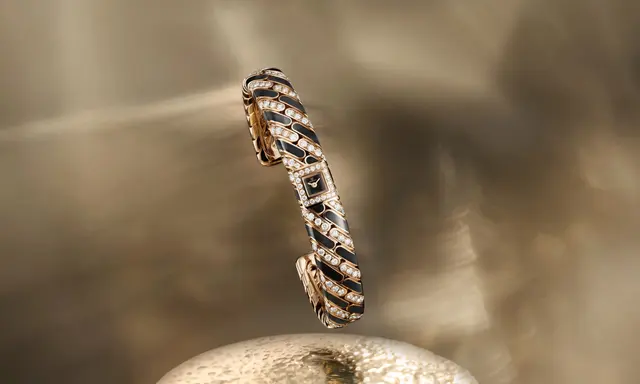
The display brings together sixteen pieces comparing eight emblematic historic models with eight contemporary interpretations, separately from the ten Collectibles capsule watches available for purchase. The company is also presenting its new Calibre 101 Chain high-jewellery watch, which draws inspiration from a historic model and shows how old engineering ideas can inform a very different modern design.
The capsule covers watches from the mid-1920s through the early 1970s, while the full Collectibles programme draws on seventeen emblematic model families. Each sale should still be assessed individually: the presence of a celebrated model name does not mean two specimens have the same originality, condition or value.
For serious collectors, Hong Kong’s exhibition offers a chance to learn directly from the manufacture before considering an acquisition. The watches are available globally through the programme, but buyers should confirm individual availability, certification documents, condition and warranty terms before making a commitment.
Owners and collectors should confirm appointment access and the documentation for any individual vintage piece before arranging a purchase. Independent valuation, insurance and servicing arrangements remain relevant even where a manufacture has carried out the restoration.