Far & East, the Asian brasserie on the twenty-first floor of Four Seasons Hotel Bengaluru at Embassy One, has announced a week of Thai dishes inspired by Loy Krathong, Thailand's Festival of Lights. The programme is scheduled for 24–30 November 2026, following a hotel press announcement on 16 November. It presents traditional flavours and the stories behind them to diners in Bengaluru rather than attempting to recreate an entire festival on another country's waterways. The restaurant's Thai culinary team has prepared a special selection that includes banana fritters, pineapple fried rice, fish jungle curry and a coconut-sago dessert. For travellers interested in contemporary luxury dining, the development is a reminder that good culinary hospitality can reveal the meaning behind a celebration instead of simply decorating a menu with festive symbols.
Understanding the Festival of Lights
Loy Krathong is traditionally associated with the full moon of the twelfth month in the Thai lunar calendar. People gather beside rivers, lakes and other waterways to release small decorated floats called krathongs. The practice is commonly linked with gratitude to water, reflection and leaving behind difficulties from the past. Its meanings and local customs can vary, so a brief restaurant interpretation should not be mistaken for a complete account of how everyone in Thailand celebrates it. Far & East's programme uses food to introduce guests to selected themes of nature, renewal and generosity. The location in Bengaluru creates an interesting cultural exchange, but the organisers are not suggesting that a Thai water festival has simply been moved to India.
From banana leaves to a festive menu
Traditional krathongs have often been made with parts of the banana plant, including trunk and leaves, and decorated with flowers, candles or incense. That botanical connection provides a starting point for the restaurant's choice of Kluai Khaek, Thai banana fritters. The dish is more than an ornamental reference because it invites guests to notice the relation between an everyday ingredient and the materials used in a community ritual. Fried bananas can also offer a pleasing contrast between crisp exterior and soft fruit, depending on their preparation. The hotel presents the dish as one way to evoke Thai seasonal traditions. It should be enjoyed for its culinary qualities as well as the story behind it, without suggesting that every festive food has a single universal symbolic meaning.
Kluai Khaek and familiar ingredients reconsidered
Bananas are widely used in cooking across South and Southeast Asia, so they are familiar to many Bengaluru diners. The Thai interpretation at Far & East may feel accessible while still introducing different techniques and flavours. This is one advantage of a thoughtful international menu: it can begin with an ingredient guests recognise and offer a new way of experiencing it. The restaurant's announcement does not publish a full recipe or promise a fixed serving style for every evening, so details about batter, accompaniments or dietary suitability should not be invented. Guests with allergies or other requirements should check the kitchen's preparations directly. The purpose of the temporary menu is exploration, not a competition to produce the most unusual ingredient.
Pineapple fried rice for a harvest theme
The special menu also includes Khao Pad Sapparod, Thai-style pineapple fried rice. Combining fruit with rice and aromatic seasoning is a familiar feature of many Southeast Asian menus, but its success depends on balance. Pineapple brings acidity and sweetness that can contrast with savoury ingredients, while the rice needs the right texture and seasoning. In the context of Loy Krathong, the hotel connects the dish with abundance and tropical produce. This is an interpretation offered through the restaurant programme, not evidence that pineapple fried rice is essential to every observance of the festival. For a luxury dining experience, the value lies in learning why the chef selected the dish and then tasting whether its flavours form a coherent whole.
A fish jungle curry with fragrant herbs
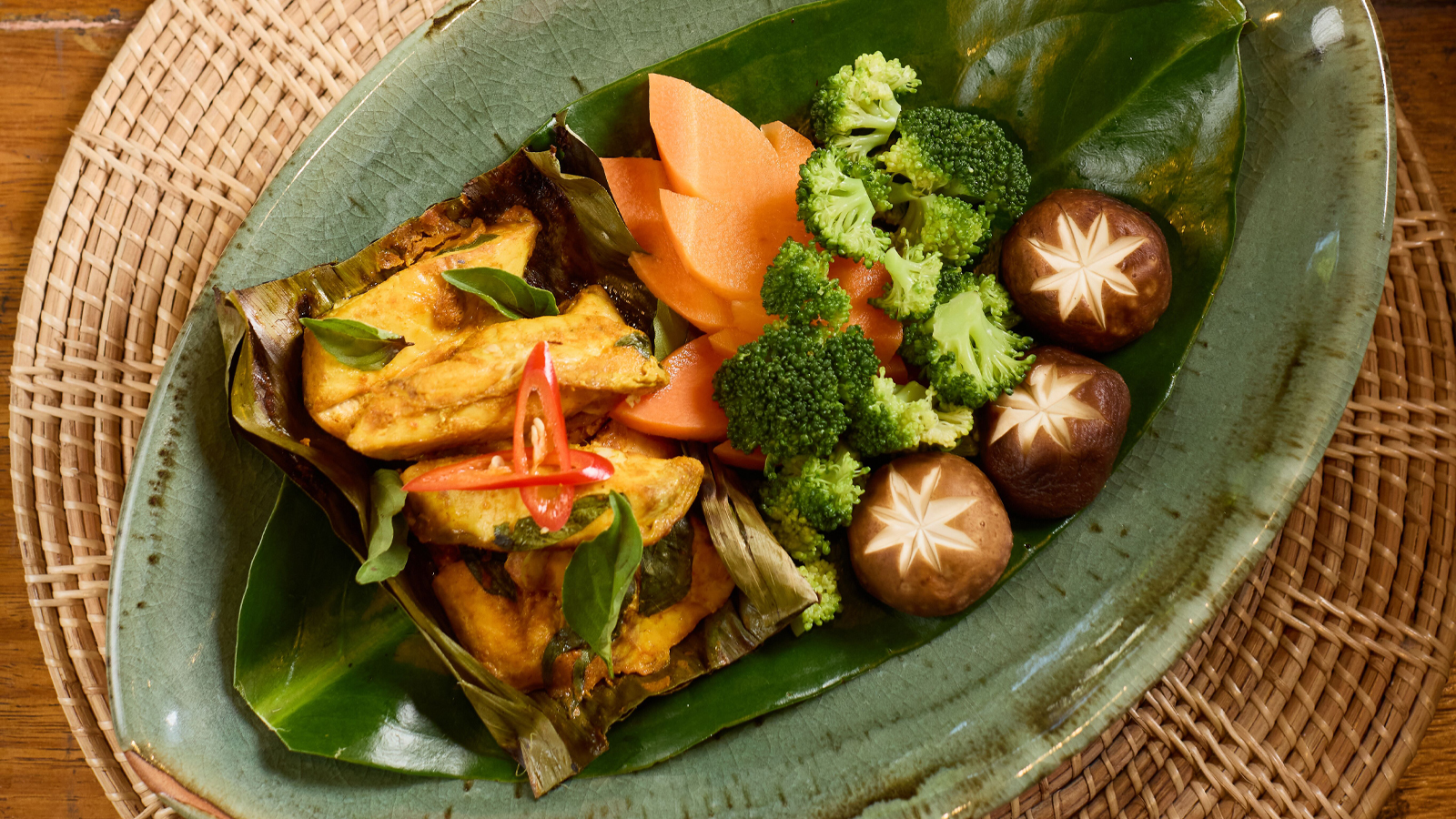
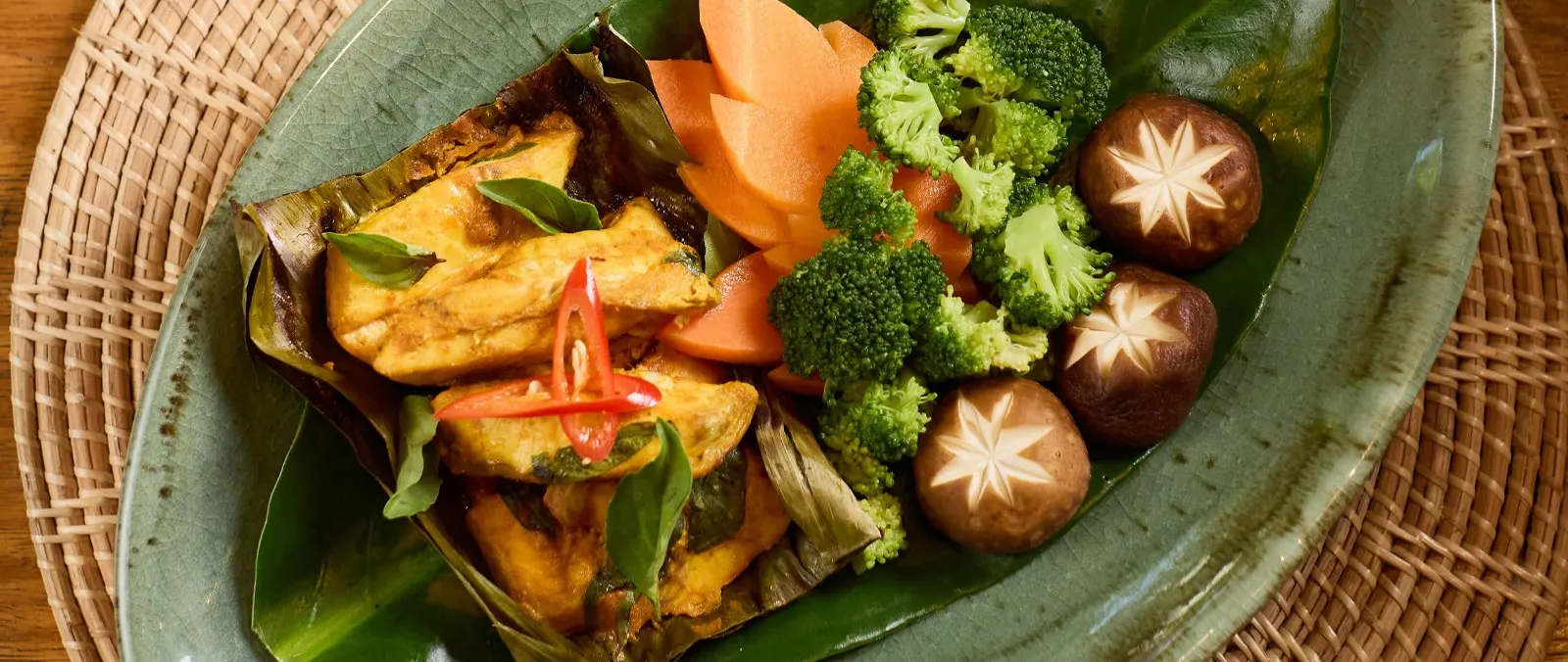
Kaeng Pa Pla, a Thai-style jungle curry with fish, is another featured preparation. The hotel describes a dish built around aromatic herbs and regional cooking traditions. Different forms of jungle curry can vary substantially in heat and composition, so prospective diners should not assume that a familiar restaurant curry will taste or feel the same. Guests who are sensitive to spice can ask about the intended heat level, while those with dietary restrictions should confirm the exact ingredients and preparation. The significance of this dish is that it introduces a more savoury, herb-driven side of Thai cooking alongside the sweeter banana and pineapple examples. A well-balanced special menu should provide variety without reducing the cuisine to a list of stereotypical flavours.
Coconut sago and mango at the end of the meal
The dessert identified in the release is Khanom Saku Piak, a coconut-sago pudding served with mango. The combination suggests the gentle richness of coconut alongside the texture of sago and the bright flavour of fruit. The hotel presents it as an evocation of Thai temple fairs and festive gatherings. Desserts are often a particularly approachable way for a diner to explore a different cuisine, but texture can be as important as taste. Sago pearls have a quality that differs from many conventional western puddings, and their preparation requires attention. Rather than treating the dessert as a novelty, the restaurant positions it within a set of foods intended to describe a celebration. The choice brings the menu to a natural conclusion while linking it back to seasonal food traditions.
The importance of an authentic kitchen team
Four Seasons says the programme is being brought to life by the hotel's Thai culinary team. That detail is important because menus built around another country's traditions work best when the people preparing them understand the techniques, flavours and cultural context. Authenticity is not a simple claim that every ingredient must come from its country of origin. It can also mean that a kitchen treats a recipe respectfully, explains its choices and avoids substituting a generic international style for the character of the original dish. A hotel restaurant may need to adapt to local supply chains and guest preferences, but those decisions can be made transparently. The special week's focus on a small number of named dishes creates an opportunity for informed conversations between guests and staff.
A celebration presented high above Bengaluru
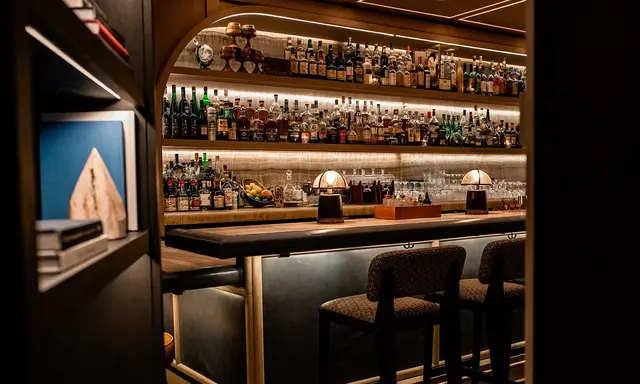
Far & East is described by Four Seasons as a twenty-first-floor Asian brasserie. The elevated setting offers a striking contrast with the waterways and community spaces associated with Loy Krathong in Thailand. Guests are not expected to launch floats from the hotel; the event is primarily culinary. Instead, the restaurant uses its hospitality setting to tell selected stories through food. That can be an effective approach when cultural practices are presented outside their place of origin. A respectful adaptation recognises what can genuinely be shared and what belongs to the original community and location. The Bengaluru event is a themed restaurant programme, not a religious ceremony or a substitute for travel to Thailand during the festival.
General manager Biswajit Chakraborty's explanation
In the official announcement, Four Seasons Hotel Bengaluru General Manager Biswajit Chakraborty describes festivals as a way to learn about a country's culture and sees food as one of the most meaningful routes to that understanding. His statement connects the menu with gratitude, nature and renewal. This is a credible aim for a restaurant, but it also gives the team a responsibility to help guests understand the dishes rather than relying entirely on attractive presentation. A short explanation from a knowledgeable server may add more value than a long decorative menu filled with unfamiliar terms. Diners can appreciate the cultural reference while recognising that no single evening can represent the full diversity of Thai cuisine and the regional variations of Loy Krathong.
Cultural exchange without simplifying the tradition
A themed dining event can be enjoyable and educational, but there is a risk of treating cultural practices as decorative material. The most responsible approach is to identify where an idea comes from and explain what is being interpreted. Four Seasons has chosen to associate particular dishes with elements of Loy Krathong and to acknowledge the tradition's connection with water and renewal. The event should not be described as an exact recreation of Thai festivities. Participants who are especially interested can use the menu as a starting point for learning more about the festival's regional histories and contemporary practices. Good luxury hospitality need not claim to deliver a complete culture in one sitting; it can open a thoughtful window onto one part of it.
Why temporary culinary programmes matter
A restaurant's everyday menu must balance consistency with variety, while a brief event can focus on a narrower cultural or seasonal theme. That creates room for staff to explain dishes in greater depth and for regular guests to experience something different. The week-long schedule from 24 to 30 November makes the programme a short, defined event, not a permanent rebranding of Far & East. The official release does not specify every price, booking condition or individual service time. Anyone planning to attend should confirm reservations directly with the hotel and ask whether the special menu is offered throughout the restaurant's normal opening hours. The limited timetable is an important piece of practical information for travellers.
A lifestyle connection for yacht owners
Owners of 12–24-metre luxury yachts often combine time on the water with city stays, cultural visits and special dining experiences. Bengaluru is not a coastal cruising destination, so the story's relevance is lifestyle rather than yacht navigation. A traveller visiting India on business or en route to a wider Asian itinerary may appreciate a restaurant experience that connects two culinary cultures. The lesson for yacht hospitality is also conceptual. Onboard chefs increasingly work with international ingredients and guests who have varied preferences, and cultural storytelling can enhance a meal when it is accurate and restrained. That comparison does not mean Far & East is supplying yacht catering or has announced any connection with the marine industry.
Sustainability claims should remain specific
The original festival is connected with water and gratitude toward nature, but those themes do not establish that a particular restaurant menu has a quantified environmental benefit. Hotels can make responsible decisions about ingredients and waste, yet the November announcement does not present a lifecycle assessment of the special dishes. An editorial account should therefore avoid claiming that the menu is sustainable simply because it references natural materials or a tradition associated with water. Diners who care about sourcing can ask practical questions about fish, produce and kitchen procedures. Treating a cultural theme with respect includes distinguishing its meaning from environmental claims that would require separate evidence.
What the official announcement establishes
Four Seasons Hotel Bengaluru announced a Loy Krathong-themed culinary programme at its twenty-first-floor Far & East restaurant for 24–30 November 2026. Its Thai kitchen team selected Kluai Khaek, Khao Pad Sapparod, Kaeng Pa Pla and Khanom Saku Piak among the dishes intended to bring the celebration's flavours and symbolism to the city. The hotel relates the menu to gratitude, renewal and nature, while general manager Biswajit Chakraborty emphasises food's role in cultural discovery. This is a limited dining showcase, not the opening of a new hotel or an event taking place on water. For luxury travellers, it offers a thoughtful example of how a restaurant can use a modest seasonal programme to start a larger conversation about place and tradition.
Sources and image credits: Four Seasons Hotel Bengaluru at Embassy One official release of 16 November 2026, Far & East Celebrates Thailand's Festival of Lights with a Special Loy Krathong Culinary Showcase, and original press photography distributed through the hotel's downloadable image gallery. Dates, dishes and cultural descriptions are attributed to the hotel; culinary interpretation and travel considerations are independent Luxury Yacht Guide editorial analysis.
Sources and image credits
Reporting based on Four Seasons Hotel Bengaluru original Loy Krathong special-menu press announcement of 16 November 2026.
Lead photograph: Four Seasons Bengaluru Thai culinary dish and chef photograph from the 16 November 2026 Far and East Loy Krathong announcement. Image: Four Seasons Hotel Bengaluru at Embassy One, alternate official culinary press photo supplied in its 16 November 2026 release. Original official image source.