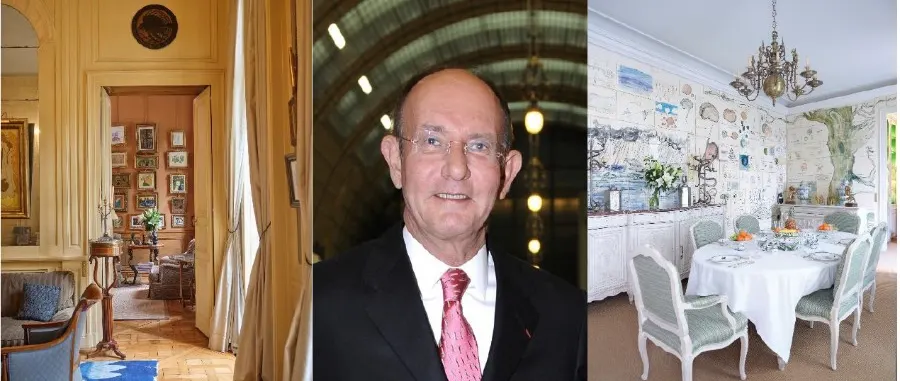
A dealer's private choices become a public collection
Christie's has announced plans to offer approximately 500 lots from the personal collection of Waring Hopkins, the American art dealer long associated with Paris. The sale, titled Waring Hopkins, un américain à Paris, brings his interests in fine art, furniture, decorative objects and design into a single collecting story. The live auction is scheduled for 10 December 2026 in Paris, alongside an online sale running from 4 to 15 December.
A dealer's personal collection is not always assembled according to the commercial priorities of a gallery. Works may be kept because of memories, artistic affinities or their place within a domestic environment. That makes the Hopkins auction interesting beyond the number of objects: it offers the chance to examine the relationship between professional expertise and individual taste.
Five hundred objects across several fields
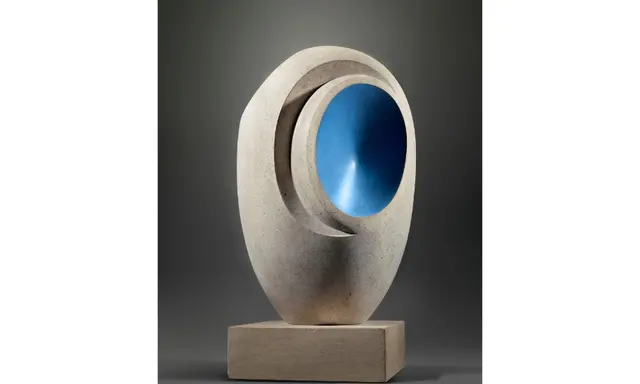
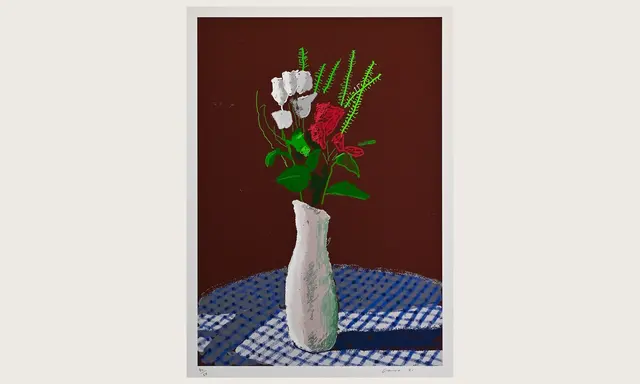
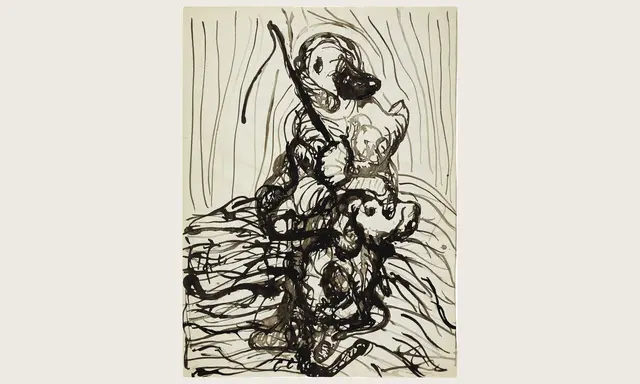
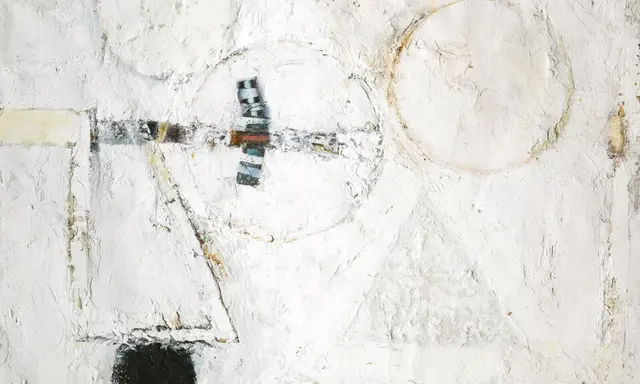
Christie's describes a range from Symbolism and the Nabis to Surrealism and contemporary art, alongside classical furniture and design. These movements span very different periods and approaches, yet they can coexist within a collection organised by one person's choices. A house filled with varied works is not necessarily a stylistically uniform museum, and that variety can reveal a great deal about the owner.
For readers who follow collecting, the sale promises insight into how paintings and decorative pieces can be selected to work together. It is worth looking at relationships between objects rather than only at the most expensive lots. The cumulative character of a collection can offer a form of historical testimony that is difficult to capture through an isolated trophy object.
A Paris apartment as the setting
The official press release includes views of Hopkins's apartment on Avenue Gabriel in Paris, placing objects in the surroundings where they were displayed. This domestic perspective matters because art is often experienced differently in a private room than on the white walls of a gallery. Furniture, lighting and proximity to other works can influence the way a collection is understood.
The photographs also offer a useful starting point for design enthusiasts, though they should not be treated as a complete room-by-room inventory. The auction catalogue remains the essential source for identifying individual works and their conditions. A published image of a collection may show pieces that are not included in a particular sale session.
From Symbolism to the present
The breadth of the announced categories suggests an interest in the evolution of modern visual culture and its relationship with decorative arts. Symbolist imagery, Nabi painting, Surrealist approaches and contemporary objects invite distinct ways of looking. An auction covering all of them can reward close reading of the catalogue rather than quick comparisons based on artist names alone.
Collectors should examine dates, materials and provenance separately for each work. A dealer's personal ownership may be part of the history, but it cannot substitute for the earlier documentation required to establish authenticity or legal title. The importance of careful research increases as a sale moves across periods and object types.
Two different auction formats
Christie's plans a live auction in Paris on 10 December and a separate online session running from 4 to 15 December. These are different formats with potentially different bidding deadlines and procedures. The announcement does not establish that all 500 objects will be sold in one afternoon or that every buyer must attend in person.
Anyone intending to participate should examine lot allocation, viewing arrangements, shipping restrictions and the terms of sale before bidding. Decorative arts and furniture bring practical questions about condition and transport that differ from the handling of a work on paper. Those considerations are essential when a collection is physically dispersed to new owners.
The collection as an expression of taste
A private collection often has an identity that disappears if every piece is discussed only through its estimated sale price. The Hopkins auction provides an opportunity to consider the long process of choosing and living with objects. His interests reach across familiar boundaries between painting, design and domestic furniture, illustrating how collecting can be guided by curiosity rather than narrow specialisation.
The verified story is Christie's announcement of approximately 500 lots from Waring Hopkins, with Paris and online sales in December 2026. Exact estimates and realised prices should be taken from the current catalogue and later results. Until then, the value of the announcement lies in the chance to study an unusually personal selection of art and design.