Christie’s is presenting Bill Blass: American Elegance as an online auction and exhibition timed to New York Fashion Week, bringing clothing, sketches and personal objects from one of American fashion’s defining designers into the auction market. The sale is accompanied by exhibitions at Rockefeller Center and the Bill Blass townhouse.
Blass built a reputation around polished American sportswear and evening dressing that felt luxurious without depending on European couture conventions. His work helped define a specifically American version of high fashion built around confidence, practicality and social ease.
The final Spring 2000 collection provides an emotional anchor
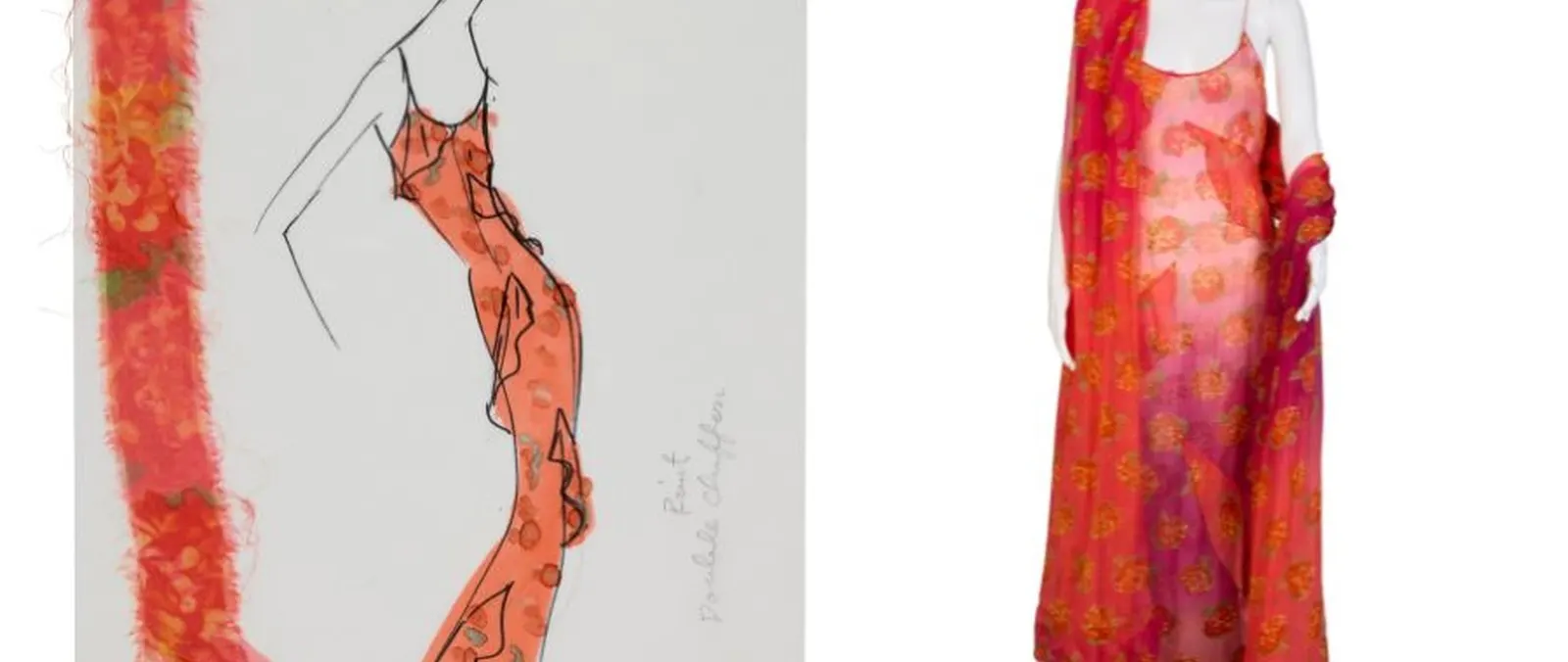
Among the featured objects is a gown with its corresponding sketch from Blass’s final collection. Pairing finished garment and design drawing allows collectors to see the transition from idea to execution rather than encountering the dress as an isolated fashion object.
Sketches can be especially revealing because they capture proportion, movement and intent before fabric, fittings and production choices alter the result. For fashion collectors, the relationship between drawing and garment can be as significant as provenance.
American fashion history is becoming more collectible
Auction interest in fashion has expanded beyond handbags and couture gowns to include archives, working drawings, personal accessories and material linked with important designers. The Bill Blass sale reflects this broader approach by treating a designer’s career as cultural history rather than only as vintage clothing.
This shift matters because fashion is inherently fragile and seasonal. Preserving representative garments and documents helps museums and private collectors reconstruct how people dressed, worked and understood luxury during a particular era.
New York Fashion Week provides the right context
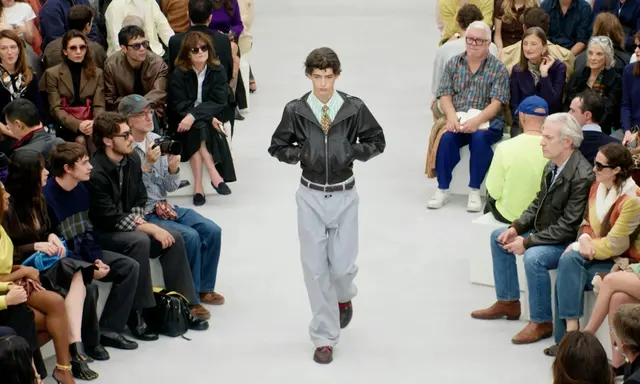
The Rockefeller Center exhibition runs while the city is focused on new collections, creating a dialogue between contemporary fashion and one of the figures who helped establish American ready-to-wear internationally. Visitors can see how ideas about proportion, glamour and practicality have evolved across generations.
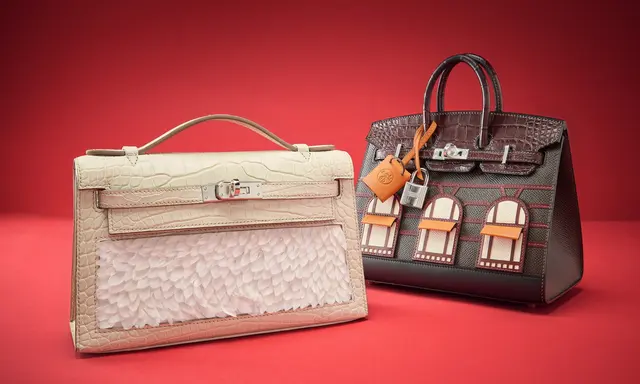
Christie’s also places the sale alongside its handbag auction and The Devil Wears Prada 2 exhibition, creating a wider fashion-focused programme. The result turns the auction house into a temporary museum of American style as much as a marketplace.
The townhouse adds a more personal setting
A second exhibition at the Bill Blass townhouse gives parts of the collection a domestic context closer to the environment in which the designer lived and worked. Historic fashion can feel different when shown inside architecture associated with the person who created it rather than in a neutral white gallery.
For collectors, this kind of setting can strengthen understanding of taste. Furniture, art, clothing and personal objects begin to form one visual world, revealing how a designer’s professional language extended into private life.
Blass remains a reference point for understated luxury
His influence can still be seen in American fashion that prioritises cut, wearability and confidence over obvious ornament. The auction offers collectors a chance to acquire pieces connected with that history while also documenting a period when New York designers were defining their own identity on the world stage.
The strongest lots are likely to be those where provenance, design importance and condition intersect. More broadly, the sale demonstrates that fashion archives can carry cultural value well beyond the season in which the clothes were first shown.