A collection of historic objects heads to Paris
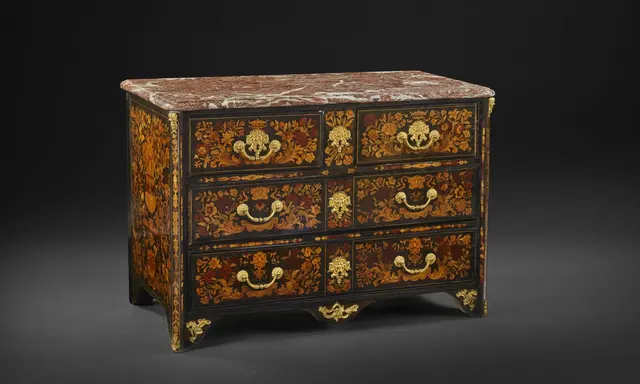
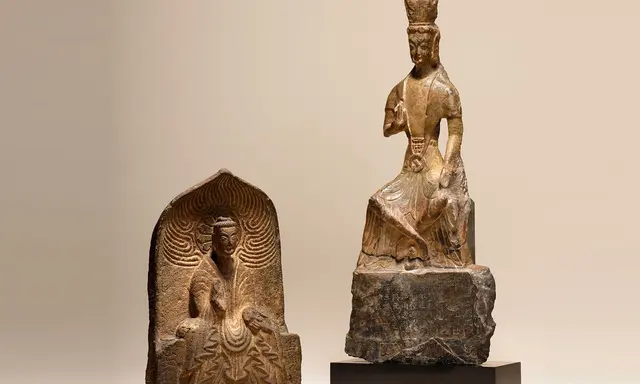
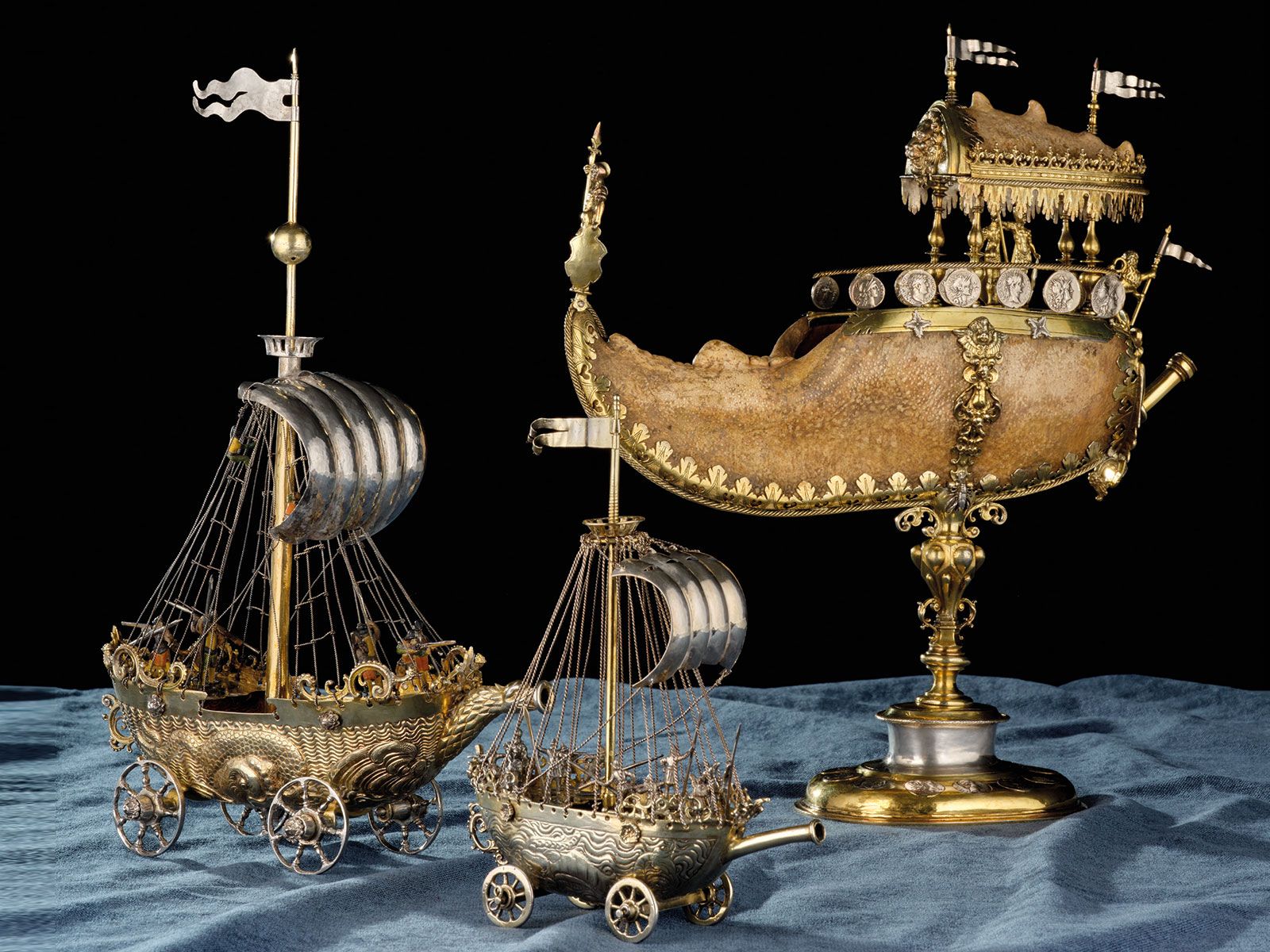
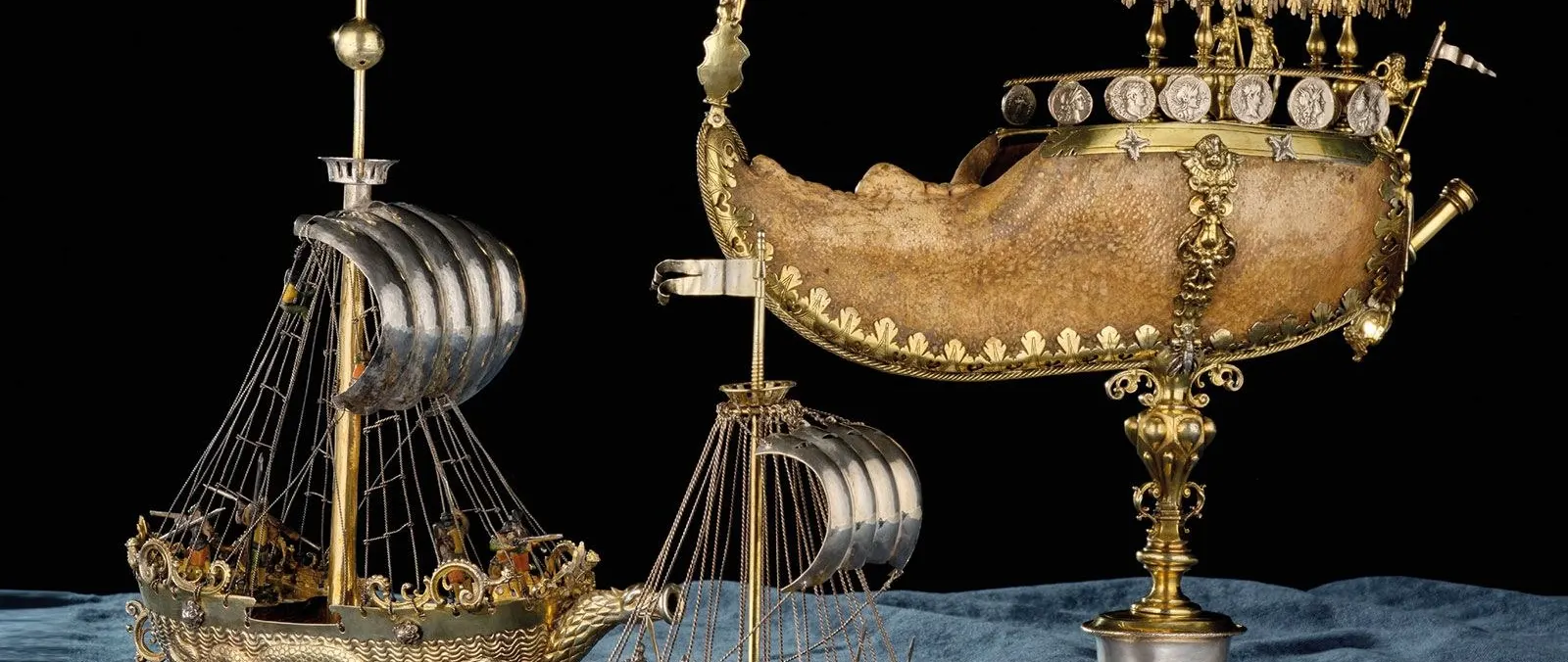
Artcurial has scheduled a Kunstkammer sale for 16 December 2026 in Paris, with an official catalogue containing more than two hundred lots. The early entries include silver and silver-gilt vessels associated with makers and workshops in Riga, Zurich, Fribourg, Nuremberg, Augsburg, Bern and other European centres. The German word Kunstkammer is associated with historic cabinets of curiosities, where collecting could bring together art, science, craft and objects valued for their unusual qualities. In a modern auction setting, the category provides a framework for examining craftsmanship across places and centuries. The event remains ahead as of 25 November, so the published estimates are not transaction prices. Such a collection may interest people who appreciate rare objects for their form and historical associations, but it also calls for particular diligence around authenticity, provenance and preservation. The official catalogue supplies identifiable pieces rather than a licence to assume that every object has a uniformly documented history.
Riga tankards show the reach of northern European craft
The first displayed catalogue lot is a pair of parcel-gilt silver tankards attributed to Matthias Rolowes in Riga and dated to the period 1555–1574, with a presale estimate of €12,000 to €18,000. The description identifies a specific maker, place and range of dates, making it a useful starting point for examining historic metalwork. A tankard is recognisably a vessel, but an old piece of silver should not automatically be used for drinking. Its surface, joins and conservation history may make everyday handling inappropriate. The term parcel-gilt indicates that gilding is applied to selected areas rather than necessarily covering the entire object, but the precise condition must be examined in person. Attribution to a maker requires evidence such as marks, construction methods and expert comparison. The catalogue is a starting point for that inquiry rather than an exhaustive account of the object's ownership over several centuries.
Swiss examples extend the geographical range
Artcurial lists a Swiss parcel-gilt silver cup attributed to Gebhard Brunner, probably made in Zurich around 1544–1547, estimated at €5,000 to €8,000. Other Swiss items include work associated with Fribourg and Bern. Such examples illustrate the regional variety of historic metalworking, with cities developing distinct workshop traditions and client communities. A collector should pay attention to the catalogue's degree of certainty. Terms such as probably and attributed to are deliberate qualifications, not details to remove in a simplified account. Objects can have complex histories of repair, alteration and changing ownership, and later engraving may affect interpretation. The physical relationship between gilded areas and exposed silver also matters for preservation and cleaning. A cup displayed in a glass cabinet today can be appreciated as a work of craft without being subjected to the functions it may once have served. Responsible collecting takes account of both the original form and its present condition.
Nuremberg becomes a recurring centre in the listing
Several of the early catalogue lots are connected to Nuremberg, a city associated with important historic craft traditions. Artcurial names double cups by makers including Arnold Schmid and Andreas Pestreich, each estimated at €30,000 to €40,000. The objects point toward techniques that demanded specialist metalworking and decorative skill. A double cup can have a striking silhouette, and its construction may reveal how practical and ceremonial functions intersected. The catalogue's estimates do not prove that the objects are equally rare or share identical conditions. Different workshop histories, marks and later interventions can affect attribution. For collectors, the recurrence of one city within a sale can provide an opportunity to compare workmanship from related periods. Yet it would be too simplistic to treat all Nuremberg silver as one style. Each object should be studied through its own material features and documentary record.
The windmill beaker combines craft and curiosity
One especially distinctive early entry is a German silver-gilt windmill beaker associated with David Lauer of Nuremberg, dated to around 1594–1602 and estimated at €25,000 to €35,000. The windmill motif makes the piece a natural example of the curiosity that can characterise a Kunstkammer collection. But its apparent playfulness should not obscure the technical demands of the work. Movable or protruding elements may be vulnerable, while surface decoration and joins can require specialist conservation. A buyer should establish whether the object has been repaired or altered and how any delicate parts should be supported. The term beaker describes a form, not a recommendation for contemporary use. An object created hundreds of years ago may be best enjoyed through careful display and study rather than functional use. Its value lies partly in the way craftsmanship transforms a familiar vessel into a miniature sculptural scene.
Augsburg and the diversity of makers
The catalogue also includes a silver cup associated with Paul I Kleebühler of Augsburg, dating from around 1580–1586, and a small pitcher from a later period. Augsburg was another important centre of early modern metalwork, and the inclusion of its products creates a useful comparison with Nuremberg and Swiss examples. A maker's name or location can contribute to an object's historical identity, but such attributions should be examined alongside hallmarks, construction and provenance. The sale's variety is more interesting than simply ranking one city above another. Different workshop practices and customer preferences may have shaped the vessels, while later owners could have modified them. An auction preview supplies a commercial classification; a museum or specialist study may add further historical interpretation. Both perspectives can help a collector understand why a relatively small object merits serious attention.
Decorative silver sometimes incorporates older coins
One displayed lot is a Nuremberg silver-gilt beaker with Roman coins, associated with Hans Kellner and dated around 1592–1594. This brings together objects from different historical periods within one later crafted vessel. Such incorporation can be visually compelling and can raise questions about the meaning attached to antiquity by the maker or commissioning owner. Yet the exact provenance of the coins and their relationship with the vessel should not be invented. A buyer needs documentation about the component materials and the object's history. Conservation also becomes complex where different metals or attachments may respond differently to handling and cleaning. The object demonstrates why a Kunstkammer can cross ordinary boundaries between decorative arts, antiquities and historical curiosity. The opportunity to view such pieces together can be intellectually rewarding, provided their stories remain grounded in evidence rather than romantic speculation.
A covered cup and the importance of complete objects
A covered cup associated with Hans Pezolt of Nuremberg, dated to 1593–1602, is offered with an estimate of €20,000 to €30,000. Historic vessels with multiple components can raise particular questions: is the lid original to the body, and are marks or decorative elements consistent? An auction catalogue may include detailed photographs and notes, but collectors should still ask what is known and what remains uncertain. The presence of a cover can influence a vessel's silhouette and apparent completeness without automatically confirming every part was made together. The condition of hinges, finials and decoration may also matter. A buyer who intends to display the object should establish a safe support system and whether repeated opening would risk damage. The commercial estimate is separate from this technical understanding. An attractive object can be historically complex, and acknowledging that complexity improves responsible ownership.
An international collection needs provenance diligence
The idea of a European museum-style collection can be appealing because the objects bring together different craft centres and historical periods. However, a broad collecting category also raises questions about the movement of cultural objects across borders over centuries. Buyers should seek a reliable ownership history, applicable export documentation and expert assessment where significant provenance gaps exist. Some items may be subject to cultural-property protections, while others can be traded under different rules. The fact that an auction house offers a lot does not remove the need to understand those responsibilities. Older metalwork can also be vulnerable to forgery or misleading attribution, making technical examination important. A knowledgeable collector should distinguish a documented workshop mark from a stylistic similarity. Expertise in historical silver is highly specialised, and assumptions drawn from modern jewellery markets may not translate to objects created several hundred years ago.
Display matters more than a return to old functions
Silver-gilt objects may once have served ceremonial or domestic roles, but using them in that way today can risk altering or damaging historically important surfaces. A private collection might be displayed in secure cabinets with suitable supports, controlled humidity and carefully planned lighting. Some owners may be tempted to place such objects on shelves as decorative accents, but the weight and fragility of older pieces can make that unwise. A yacht's movement and marine environment create additional concerns involving corrosion, vibration and securing. An owner intending to travel with historic metalwork should consult conservators, specialist packers and insurers. The goal is to make the works accessible for appreciation without sacrificing the material evidence they carry. Even an apparently robust metal vessel may have thin sections, old repairs or fragile gilding. Responsible display depends on the individual object's condition.
Understanding the upcoming sale's prices and terms
The Artcurial catalogue lists estimates across a range of amounts, reflecting the variety of pieces, sizes and attributions. These are pre-auction expectations, not confirmed sales results. A bidder may pay a buyer's premium, taxes and other charges beyond a hammer price, and international transport can be complex. An object may also fail to sell or be withdrawn. Prospective buyers should review the most current catalogue and request condition information before bidding. An exhibition can offer a chance to examine craftsmanship and compare makers, whether or not a visitor intends to purchase anything. Paris has many collections and museums that provide additional historical context, while the auction presents a specific group of objects available for private ownership. The usefulness of the sale is not limited to its financial outcomes; it also offers a focused encounter with historic craft.
The verified Kunstkammer programme
Artcurial's official sale page establishes Kunstkammer as a Paris auction scheduled for 16 December 2026, with more than two hundred lots and an early catalogue selection featuring historic European silver and silver-gilt vessels. Named examples include pieces associated with makers in Riga, Zurich, Bern, Nuremberg and Augsburg, including a windmill beaker and double cups. The published figures are presale estimates, not final transaction amounts. Luxury Yacht Guide reports the event for readers interested in craftsmanship, interiors and collecting, with the official Artcurial image attributed to its publisher and the relevant rights holders. The catalogue offers an opportunity to examine early modern metalworking through identifiable objects, while responsible acquisition depends on provenance, condition and preservation. Future results should only be reported once independently confirmed after the sale.
Sources and image credits
Reporting based on Artcurial first-party official 2026 announcement or auction catalogue for Artcurial’s Kunstkammer Sale Revisits the European Cabinet of Curiosities.
Lead photograph: Artcurial’s Kunstkammer Sale Revisits the European Cabinet of Curiosities — official Artcurial media illustration, Luxury Yacht Guide 25 November 2026. © Artcurial and original photographer, artist, designer or publisher; first-party image from the credited official Artcurial announcement or catalogue. Any artwork copyrights remain with rights holders. Original official image source.