A December catalogue spans centuries of craftsmanship
Artcurial has scheduled an Art d'Asie auction for 9 December 2026 in Paris, with its first-party online catalogue displaying several hundred lots. The selection includes Chinese ceramics and decorative objects from different dynastic periods, with examples of qingbai porcelain, celadon wares, blue-and-white vessels and later enamelled pieces. The sale is still forthcoming as of 25 November, so the advertised estimates should not be confused with final realised prices. Asian art is a broad commercial category and should not be treated as one artistic tradition. The catalogue's displayed entries concentrate on a selection of Chinese objects, but individual items may have different origins, histories and techniques. An informed collector needs to examine what each lot actually is, rather than assuming a category title supplies all the context. The material record of ceramics can reveal changing technologies and trade connections, while responsible collecting also requires consideration of provenance and applicable cultural-property laws.
Qingbai porcelain shows the importance of subtle surfaces
The official listing includes an ensemble of qingbai porcelains with brown markings, described as Chinese and dating to the fourteenth century, with a presale estimate of €1,500 to €2,000. Other qingbai vessels are associated with the Song dynasty and the thirteenth or fourteenth century. Qingbai ceramics are often appreciated for pale glazes and refined form, but the qualities of a particular object cannot be judged fully from a small catalogue image. Surface condition, kiln flaws, restoration and later alterations can have substantial significance. The fact that several small vessels are grouped in one lot also affects how a collector should interpret the estimate. A group may contain pieces of different periods or states of preservation. The official description is a starting point for examining these questions, not an independent guarantee of every attribution. Looking carefully at materials can be more rewarding than relying on the broad appeal of an ancient date.
Blue-and-white decoration crosses different periods
The sale includes small blue-and-white porcelain pots attributed to fourteenth-century China, together with other vessels associated with the Ming and Qing dynasties. Blue-and-white is a familiar decorative language, but it encompasses many technical and historical variations. A collector should pay attention to body, glaze, shape, decoration and evidence of restoration. A vessel's age may be suggested by style, but authenticity requires expert scrutiny, and auction listings should be read alongside condition reports and supporting documentation. The displayed catalogue also includes pieces with copper-red and iron-red decoration, indicating different approaches to colour and firing. Such technical distinctions matter because a label such as blue-and-white does not adequately describe the complexity of ceramic production. These objects may be attractive for a private interior, yet their historical significance should guide the way they are handled and displayed. An elegant vessel can also be fragile and unsuitable for everyday use.
Longquan celadon introduces another glaze tradition
Several displayed lots involve Longquan celadon from the thirteenth and fourteenth centuries. The listing identifies a group of three celadon bowls estimated at €4,000 to €6,000, as well as a selection combining small vases and a dish with a lower estimate. Celadon is associated with glaze qualities that can respond delicately to light and form. But the specific character of a bowl depends on its actual firing and condition, not the word celadon alone. A buyer may wish to examine colour variations, chips, cracks and any past restoration under suitable lighting. It is also important to understand whether a lot groups pieces of the same period or includes later examples. The catalogue may describe objects as being from one period and later, which should not be simplified into a uniform age claim. A well-considered collection recognises these distinctions and avoids treating all green-glazed ceramics as interchangeable.
Song dynasty objects require historical context
The online selection includes qingbai bowls and vessels attributed to the Northern and Southern Song periods. Artcurial gives examples such as a footed cup with stand, estimated at €1,500 to €2,000, and other small bowls offered at different ranges. These are objects connected with social practices, ceramic production and the development of form over time. Yet a catalogue price does not measure their cultural significance. The age and survival of a ceramic piece can invite curiosity about the people who made and used it, but an editorial report should not invent an exact original owner or ceremonial function without evidence. Attribution depends on expert understanding of materials and historical comparison. A potential buyer should also be alert to the distinction between a period piece, a later example in a traditional style and an object with a more complex restoration history. Careful study can deepen appreciation beyond decorative appearance.
Kangxi-era objects form another part of the offering
The displayed catalogue references Qing dynasty objects associated with the Kangxi period, including scholar's items and enamelled bowls. Such material can have different collecting traditions from earlier Song ceramics. The category scholar's objects may refer to things used or appreciated within literary and artistic settings, but it does not establish the exact history of every piece in a mixed lot. Buyers should examine each component and any restoration notes. Some combinations may contain objects from more than one period, and the catalogue should be read accurately rather than simplified. Decorative quality can be important, but so are authenticity and historical context. A collector who acquires objects solely to match an interior palette may overlook the stories embedded in their materials and craftsmanship. The first-party catalogue provides a route into that research, while specialist resources can help interpret the techniques and traditions represented.
A small silver crane introduces metalwork
Among the first displayed lots is a small enamelled silver crane, described as Chinese and dating to the early twentieth century, with an estimate of €80 to €120. Its presence alongside ancient porcelains demonstrates the range of objects that can be grouped under Asian decorative arts. Metalwork requires different conservation considerations from ceramics, including possible reactions to handling and environmental conditions. An enamelled surface can be vulnerable to chipping or past repair. The bird motif may have cultural associations, but the specific symbolism of this object should not be asserted without credible documentation. A relatively modest estimate does not mean that the work lacks craftsmanship or historical interest. Auctions can present material across a wide range of prices, giving visitors the chance to compare technique rather than simply search for the most expensive lots. The importance of an individual object depends on more than its anticipated hammer price.
Wucai and mixed porcelain lots deserve careful reading
The listing also includes a wucai porcelain vase and a covered blue-and-white jar, described as Chinese with seventeenth-century and later elements, with a presale estimate of €400 to €600. The phrase and later is significant because it indicates that the components should not be treated as uniformly from one date. Mixed lots can be attractive to collectors who enjoy varied forms, but they may require more attention than a single documented vessel. Each object needs its own condition review, and a shared photograph may not reveal differences in restoration or manufacture. Wucai describes a multicolour decoration approach, but the label does not establish a specific workshop or maker. Collectors should ask how the auction house reached its attribution and which parts of the object are original. A responsible account preserves those uncertainties rather than translating them into overly confident claims.
Provenance and cultural-property responsibilities
Historic Asian objects can raise particularly important questions about ownership history and export documentation. A buyer should establish whether a piece has been legally acquired and whether it may be moved across borders under current rules. The age or apparent cultural significance of an object does not automatically prove that a specific restriction applies, but it makes careful due diligence essential. Auction houses provide catalogues and conditions of sale, yet buyers may need independent specialist advice where provenance or legal status is uncertain. This is not solely a financial issue: the movement of cultural objects has historical and ethical dimensions. Museums, collectors and source communities may have different interests, which should be taken seriously. The catalogue's brief descriptions can introduce an object but may not fully document every stage of its history. A thoughtful collector should make time for that research.
Displaying fragile objects safely
Ceramics are often collected for their ability to transform the atmosphere of a room, but they can be easily damaged by impact or unsuitable handling. A large historic collection may require secure cabinets, appropriate supports and environmental monitoring. On a yacht, vibration and movement create hazards beyond those of a stationary residence, and fragile objects should not be placed unsecured on open shelves. A ceramic vase may be appealing as a decorative feature but unsuitable for use in the same manner as a contemporary mass-produced piece. Conservation considerations should guide decisions about cleaning, lighting and transport. Professional packing may also be needed for international purchases. The cost of acquiring an object is only part of the responsibility associated with preserving it. Thoughtful display can allow enjoyment while respecting the craft and history of the work.
Auction estimates are not guarantees
Artcurial's published estimates for the displayed objects range from relatively small sums to several thousand euros, reflecting different lot compositions and expectations. Those figures are not realised prices and do not include every possible acquisition cost. A successful bidder may face premiums, taxes, insurance and shipping charges, as well as export requirements. A lot may sell for more or less than anticipated or fail to sell at all. The catalogue is also subject to change, so anyone considering attendance or bidding should review the current official listing. For travellers visiting Paris, a presale exhibition can offer an opportunity to examine historic ceramics, but access and viewing hours should be confirmed. An encounter with the objects may be rewarding even without a purchase, especially when it encourages a deeper understanding of material traditions and cultural history.
The verified Asian art event
The official Artcurial page establishes Art d'Asie as a Paris auction scheduled for 9 December 2026, with a substantial catalogue including qingbai and Longquan ceramics, blue-and-white and enamelled wares, small metal objects and later decorative pieces. The dates, descriptions and estimates in this report are attributable to that first-party catalogue. They do not establish independent authenticity, provenance or future sale results. Luxury Yacht Guide covers the event for readers interested in international art and design collecting, with its first-party sale image credited to Artcurial and the original artwork and image rights holders. Future reporting can assess the actual results when the sale has taken place. The current story is an opportunity to examine different materials and periods while maintaining the careful provenance and conservation standards that historic objects deserve.
Sources and image credits
Reporting based on Artcurial first-party official 2026 announcement or auction catalogue for Artcurial Prepares an Asian Art and Decorative Objects Sale.
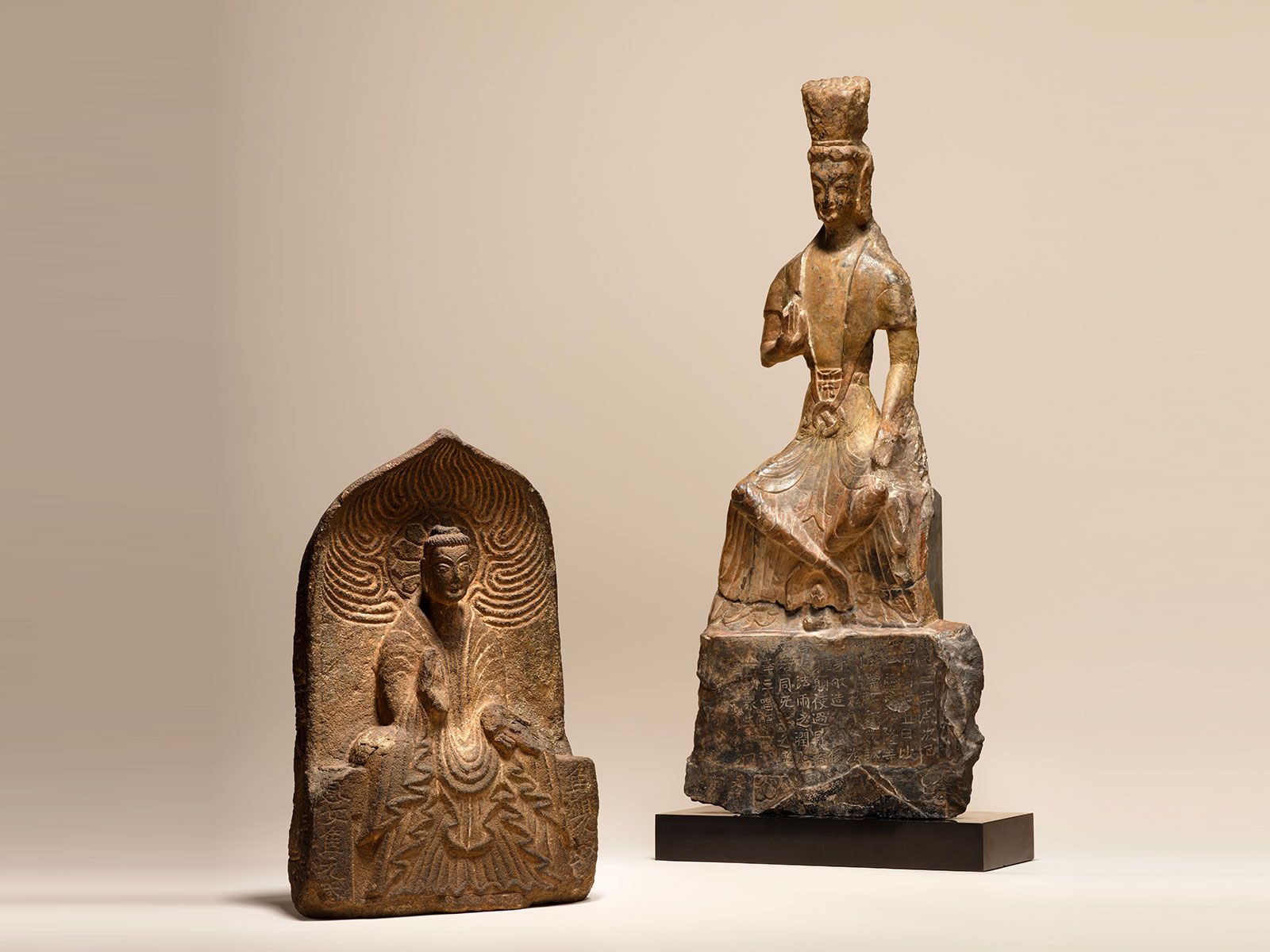
Lead photograph: Artcurial Prepares an Asian Art and Decorative Objects Sale — official Artcurial media illustration, Luxury Yacht Guide 25 November 2026. © Artcurial and original photographer, artist, designer or publisher; first-party image from the credited official Artcurial announcement or catalogue. Any artwork copyrights remain with rights holders. Original official image source.