An expansion close to the original yard
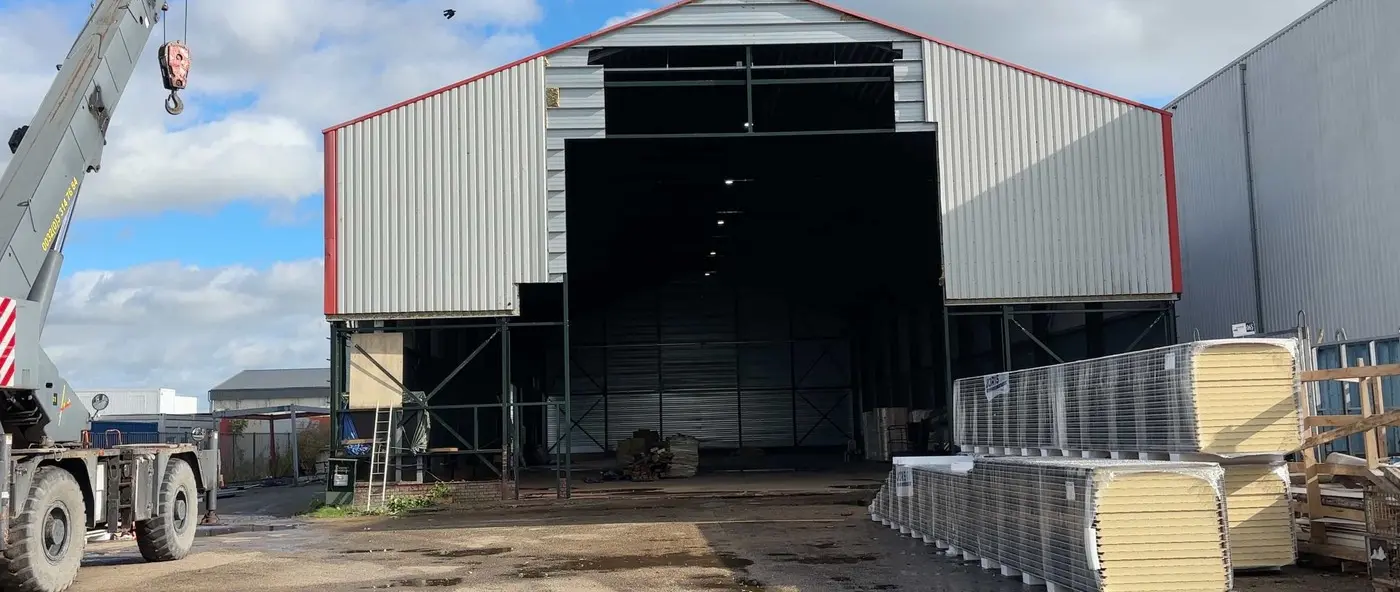
Van den Hoven Jachtbouw is nearing completion of a dedicated refit hall at Waspik in the Netherlands, with the company expecting the facility to begin operating in the second or third week of November 2026. The hall stands around 100 metres from the established shipyard. That close proximity is important because staff, specialist tools and supervisory personnel can move between new construction and servicing without treating the two sites as unrelated businesses.
The Dutch builder's late-October announcement says the space will accommodate six yachts and is expected to be occupied soon after opening. These are company forecasts rather than verified completed-work figures, so the actual commissioning date and initial workload remain to be confirmed. Still, the project points to a practical investment in supporting vessels after delivery.
Why refit capacity matters to owners
An owner may spend much more time arranging maintenance, upgrades and winter work than thinking about a yacht's original launch ceremony. Paint, electrical systems, joinery, engine servicing and general wear all demand attention over a vessel's life. A dedicated hall can make planned work less dependent on weather and may give crews a more predictable environment in which to coordinate inspections and suppliers.
Van den Hoven says the decision to build was made earlier in 2026 to meet growing requests for refits of its yachts. That explanation comes from the shipyard itself and should not be treated as independent market research about the wider Dutch yacht industry. For clients, the relevant question is how much more control the new space gives the builder over timing and quality.
Six spaces, but not six identical jobs
The company describes capacity for six yachts in its new building. That indicates the intended scale of the facility but does not establish that six large vessels of any length can enter simultaneously. Space requirements vary with hull dimensions, scaffolding, lifting equipment and the type of work undertaken. Owners considering a booking should confirm the exact clearances and what operations the yard can safely support.
A repair programme also affects how space can be shared. A yacht undergoing detailed joinery work has different needs from one receiving major exterior refinishing or technical replacement, and those jobs may require segregated work zones. The headline capacity is useful news, but detailed scheduling remains a yard-by-yard discussion rather than a simple multiplication of berth numbers.
The advantage of nearby technical oversight
Keeping the new hall close to the production yard could allow Van den Hoven's technical team to inspect refit work without lengthy travel or a separate contractor chain. The builder specifically highlights logistics, supervision and flexibility as benefits of the location. On a custom yacht, those areas matter because service requirements may involve historical build drawings, original suppliers or specialist knowledge of concealed systems.
Proximity alone does not prove that every repair will be faster. A project's progress still depends on parts, labour availability, survey requirements and decisions taken by the owner. The practical advantage is that a yard with direct knowledge of a boat's design may be able to coordinate the work with fewer handovers. That can be particularly relevant when upgrading older yachts to accommodate current equipment.
Tools, facilities and working conditions
Van den Hoven says the building is being equipped with modern facilities and tools intended to let craftsmen work efficiently and comfortably. The announcement does not identify a new travel-lift capacity, paint-booth certification or environmental system, so claims about those specific capabilities would be premature. Equipment details should be obtained from the yard before planning a demanding technical refit.
Nevertheless, workshop conditions are part of the owner's result. Good lighting, secure access, appropriate lifting equipment and organised work areas can help technicians protect finished surfaces and document what has been changed. They also affect how safely multiple contractors can work around a vessel. A new building offers an opportunity to design those processes into the service operation from the outset.
Planning a sensible winter programme
The timing of the projected opening is relevant to Northern European yacht owners who are preparing winter maintenance work. Removing a yacht from regular use for several weeks creates an opportunity to combine routine servicing with improvements that would be disruptive during the cruising season. The temptation is to add tasks once work begins, but each change can affect deadlines and budgets.
A written scope remains essential. Owners and managers should identify essential safety items, optional cosmetic work, required survey activities and the date by which the vessel must be ready to return to service. A newly opened hall may offer fresh capacity, but that does not remove the need for agreed decision points, photographic records and timely approval of variations.
The owner's relationship with the original builder
For yachts built by Van den Hoven, returning to the original yard may provide access to people familiar with the design and production details. The builder's announcement refers specifically to demand for work on its own vessels. That focus suggests a continuing relationship with existing customers rather than a blanket claim that the new hall will accept every type of yacht.
Owners should still compare the proposed work package with the skills and facilities required. Routine servicing, structural modification, painting and major machinery replacement call for different specialists and inspections. The most appropriate provider is the one that can support the actual work with suitable technical knowledge and a realistic programme, whether or not it built the yacht originally.
What a refit should achieve
A successful refit is not merely a boat that looks refreshed when it leaves the shed. Technical work should produce documentation of inspections, replaced parts, software or equipment changes and any new operating procedures. The crew also needs to understand how systems have been modified before heading back to sea. These are general best practices, not promises attributed to this particular development.
Cosmetic work is equally important when it affects durability and maintenance. The right finish, protection of adjacent materials and proper cure times may determine how well a new surface survives the next season. Project managers should establish acceptance criteria at the start rather than discover different expectations during the final walk-through.
A wider lesson for yacht businesses
New-build publicity attracts attention, but continuing service capacity helps shape the long-term ownership experience. A yacht will return for maintenance repeatedly, and the availability of skilled people during those visits can influence owner satisfaction. Van den Hoven's decision to create another hall is therefore worth recording as a business investment, even though the company has not supplied a total project cost.
The announced opening also illustrates how a specialist builder may choose incremental infrastructure growth rather than an entirely separate site. Whether that approach improves efficiency can only be judged after the hall has been operating for some time. For now, the documented facts are the location, planned capacity and expected November start of refit activity.
What owners should confirm next
The shipyard expects to begin work shortly after the opening, and its website invites owners to discuss desired tasks and schedules. Anyone considering a slot should ask for the exact available dates, maximum vessel dimensions, included services and responsibility for external contractors. A quote should distinguish known repairs from provisional work uncovered after inspection.
The final commissioning date, first completed refits and measured output of the new hall remain future evidence. Luxury Yacht Guide will treat those as new developments if the builder supplies confirmation. For Dutch yacht owners, the immediate news is a near-complete, six-yacht service facility located within walking distance of Van den Hoven's original yard, with initial work expected during November 2026.
Source: Van den Hoven Jachtbouw official October 2026 announcement.