The Royal Yachting Association has urged recreational mariners to respond to the UK Hydrographic Office's consultation on the future supply of paper charts. The July request follows the UK's work on a more sustainable printed-chart production system and does not amount to an immediate withdrawal of the entire catalogue.
Owners of 12–23.99-metre yachts rely on current navigation data whether they use paper, electronic charts or both. A change in supply may affect cruising preparation, training and backup choices, which is why the industry's consultation remains relevant.
Paper remains in the plan
The hydrographic office has previously extended its paper-chart provision to at least 2030 and is developing production methods tied to current digital chart data. That is not a guarantee that each individual chart edition will remain on sale unchanged.
Skippers should consult the current ADMIRALTY catalogue and the relevant hydrographic office for the waters they intend to visit. A paper chart held aboard for years is not automatically an up-to-date backup.
A leisure-yacht perspective
Small-craft and yacht navigators have different electronic installations, training backgrounds and practical backup arrangements. The RYA's consultation notice seeks information about how those users obtain and use printed products.
A vessel's formal carriage obligations also depend on its registration, operating status and voyage. An owner should not treat a general industry story as a statement of flag-specific compliance.
The next step is evidence from users
Feedback to the consultation can help identify coverage and distribution needs that might be missed in a commercial shipping-only assessment. It also gives marine schools and chart suppliers a way to describe their requirements.
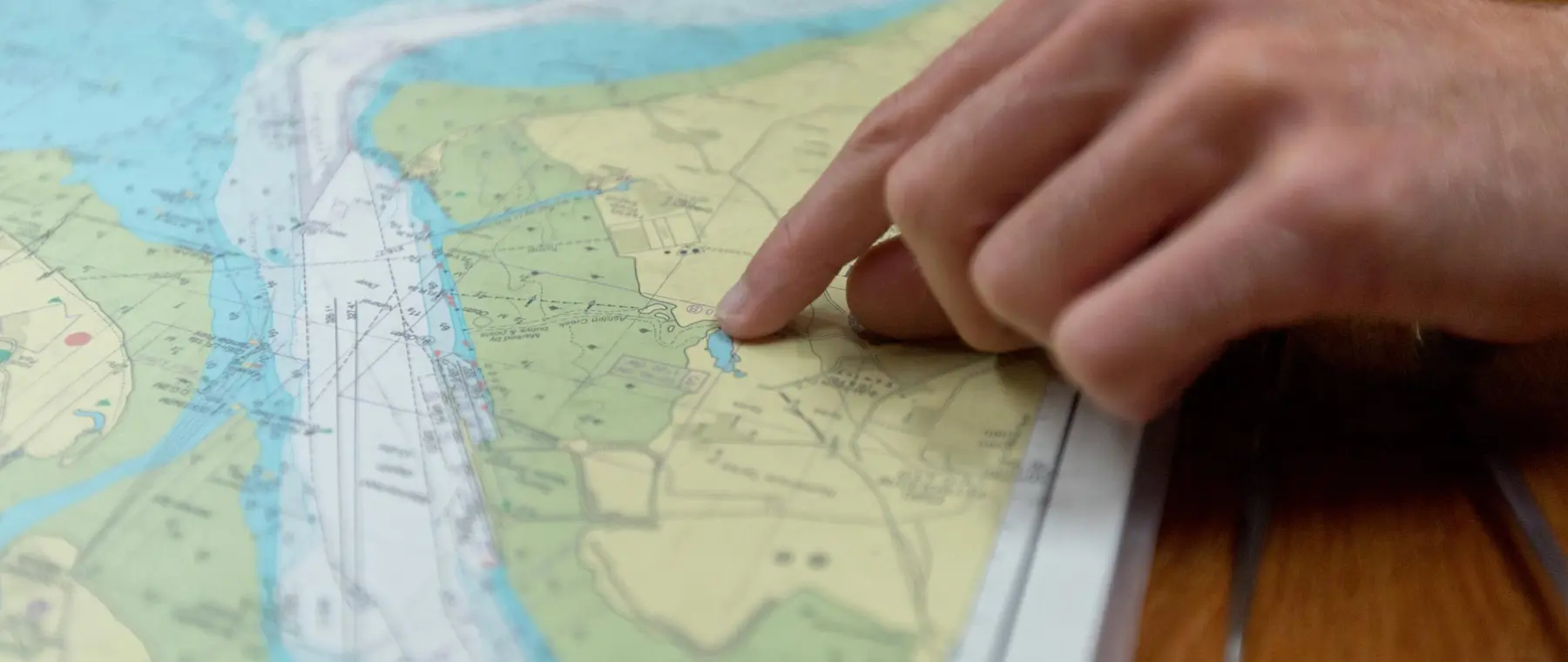
This article records the July consultation and the continuing 2026 discussion, not a new September regulatory decision. The official association photograph illustrates the source topic and is not an unrelated yacht image.