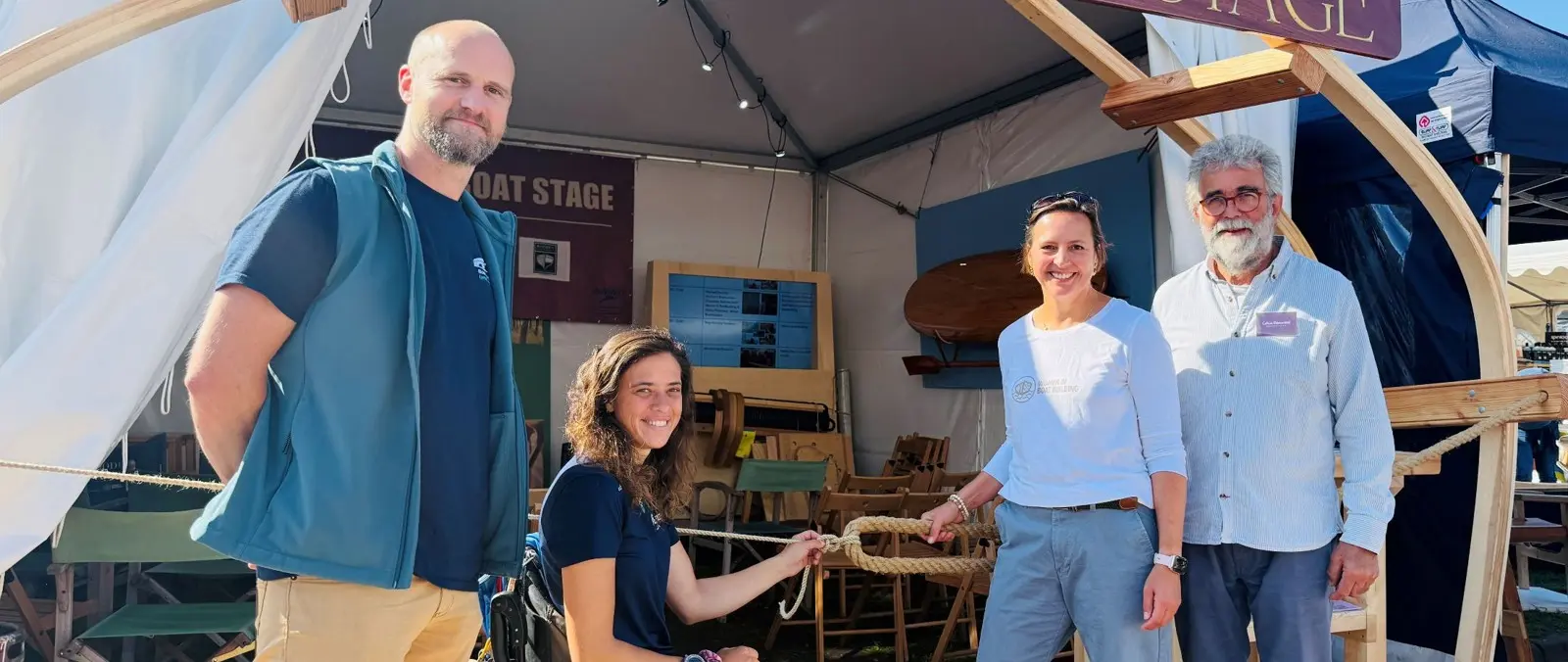
Traditional skills at the 2026 show
The Wooden Boat Stage returned to the Southampton International Boat Show in September 2026 with an expanded programme of workshops, demonstrations and discussions intended to introduce younger visitors to wooden boatbuilding careers. It was the second year of the dedicated stage.
The programme combined practical work with stories from apprentices and professional boatbuilders. Its purpose was not to announce a new production yacht, but to encourage understanding of craft skills that remain relevant across the industry.
Why timber skills survive
Even when a yacht has a composite or aluminium hull, marine timber work remains important for furniture, decks, trim and the repair of historic boats. Practical joinery demands knowledge of moisture movement, adhesives and the way materials behave over time.
A beautifully varnished surface may conceal poor construction if it was made without adequate attention to drainage or structural support. Responsible woodworking combines aesthetics with durability and inspection.
Apprentices and technical education
The programme sought to make training routes visible to potential entrants by connecting them with practising craftsmen and colleges. Demonstrations can help visitors understand the difference between everyday woodworking and the specific demands of work in a marine environment.
Apprenticeships involve supervised practice and the gradual development of judgement. Short public demonstrations are useful introductions but cannot replace formal training and a competent workshop environment.
Relevance to refit and restoration
Owners of 12–23.99m yachts may need repair to deck joinery, cabin furniture or specialist timber fittings. A skilled yard can diagnose rot, failed coatings and moisture ingress before those problems affect larger areas.
The right repair may involve preserving original material rather than replacing everything that appears worn. A surveyor or experienced craftsperson can advise on what should be retained.
The show as a workplace showcase
Southampton's broader exhibition attracts consumers alongside trade professionals, allowing the stage to reach people who might not otherwise consider a maritime career. Events can create opportunities for introductions to employers.
The success of such outreach would need follow-up data about applications, apprenticeships and retention. An enthusiastic audience alone is not evidence of a larger skilled workforce.
The continuing need for craftsmanship
Boatbuilding continues to change through digital design and composite production, but traditional skills remain important where vessels need accurate fitting and sympathetic repair. The expanded stage illustrates that technical heritage can coexist with new technology.
For owners, the most practical benefit is access to competent marine craftspeople when a yacht requires maintenance or restoration. The October retrospective concerns the completed show programme and its workforce ambitions.