Solace Collects a Second Major Refit Award
Pendennis has announced that motor yacht Solace won Best in Refit at the 2026 International Superyacht Society Awards, adding to her recognition at the World Superyacht Awards in May. The Falmouth yard's latest statement concerns the quality of a completed restoration and upgrade programme rather than the launch of a newly constructed vessel. Two separate awards put renewed attention on the choices made when a mature yacht is adapted for another phase of service.
The award follows a refit described by Pendennis as both technically demanding and sympathetic to the vessel's original identity. The yard presents the result as a demonstration of its in-house specialist skills. An award is a form of industry recognition, not a substitute for a survey or a vessel's own technical records, but it gives the project a reason to revisit how substantial improvements can be made without erasing the qualities that originally distinguished a yacht.
A Feadship Built for Long-Range Cruising
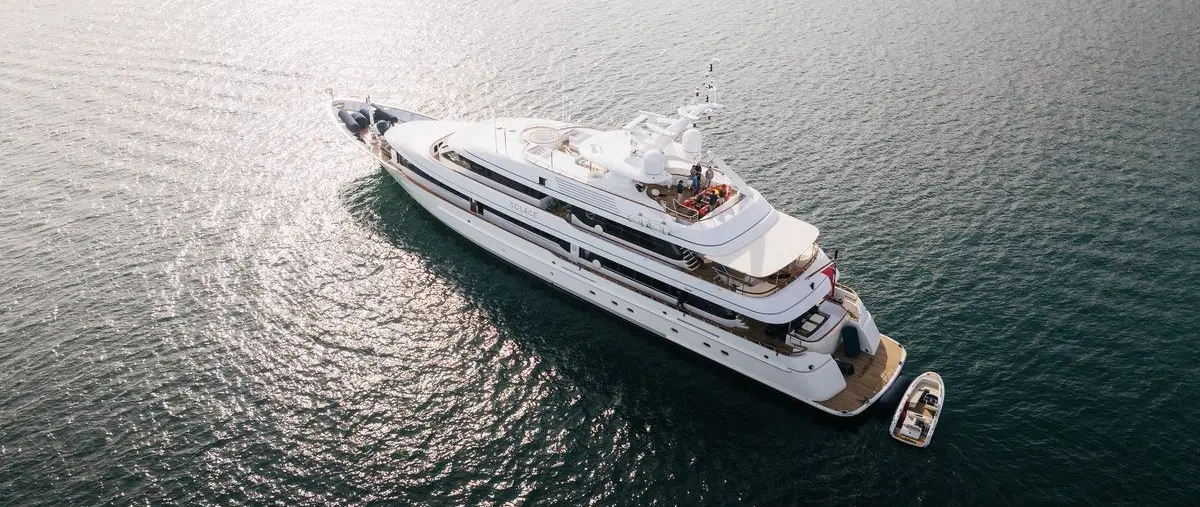
Solace began life as a Feadship motor yacht completed in 2005 and has previously carried names including Twizzle, Drizzle and Madsummer. Pendennis describes the original vessel as having been designed with long-range cruising and capable seakeeping in mind. The refit did not start with a blank sheet; it had to work with an existing steel hull, aluminium superstructure and an arrangement that had already seen many years of use.
That history is an important part of the story. Older custom yachts can offer proportions, structural qualities and a sense of character that owners wish to preserve, even when their operational needs change. The challenge is to identify which elements should remain and which require replacement or alteration. Pendennis says the Solace programme was deliberately planned to retain the vessel's personality while updating the functions required for more demanding future journeys.
Falmouth Undertakes a Ten-Month Transformation
The yacht arrived at Pendennis in late 2024 for a comprehensive programme that the yard says took around ten months. The work brought together new interiors, significant structural changes and upgraded technical systems. A refit on this scale is not a routine maintenance stop, because the finished vessel can differ materially from the one that entered the facility, even when the designers work to retain a recognisable overall character.
Scheduling this type of project requires coordination between engineering, joinery, coating teams, installation specialists and the people overseeing the owner's objectives. Work on one system can affect access to another, and an interior change may need structural or services alterations before it can be completed. The award recognises a finished outcome, while the shipyard's account offers a useful reminder that successful results depend on years of practical experience across several trades.
A Stern Extension Changes the Aft Arrangement
Among the most tangible modifications was a 1.5-metre extension to the stern, accompanied by changes to the yacht's bridge-deck accommodation. Pendennis identifies these as major elements of the programme, intended to increase the usefulness of the vessel for her next cruising phase. On a yacht already built to a bespoke design, extending the aft structure requires careful treatment of weight, engineering and the transition between original and new sections.
The physical increase in length should not be confused with a claim about higher speed or improved range, as the company did not give such performance figures in its award announcement. The more immediate effect is on usable space and the organisation of the aft area. It demonstrates how a refit can change the experience of boarding, relaxing by the water or managing equipment without requiring an entirely new hull to be constructed.
New Spaces for Extended Voyages
Pendennis' project summary describes a new bridge-deck cabin as well as an additional double cabin intended for guides, pilots or other specialists on remote voyages. These spaces respond to the practical needs of longer expeditions, where the people required aboard may differ from those on a short leisure cruise. A design that works for a few days between familiar ports can be less suitable when the yacht is far from routine shoreside support.
Accommodation planning has consequences for crew circulation, privacy, service routines and the number of people who can comfortably remain aboard. Adding a cabin is therefore more than an exercise in increasing a headline guest count. Pendennis' explanation centres on supporting the yacht's intended use. That approach is a good example of why owners considering a refit should begin by defining how they expect to travel, rather than starting solely with finishes and furnishings.
A Fresh Interior by Vickers Studio
The interior was substantially reworked by Vickers Studio, which Pendennis credits with creating a new environment while respecting the vessel's character. The programme incorporated specialist joinery and an effort to make the rooms coherent with the yacht's updated purpose. The operator’s announcement says contemporary enhancements were balanced with the original qualities of the boat, a delicate task in a design that has already evolved through earlier ownership periods.
A successful interior refit needs to withstand the realities of life afloat as well as look good at a public showing. Materials must be installed in spaces subject to motion, ventilation and service demands, while routes for crew and access for maintenance need to remain workable. The Solace project illustrates how aesthetics and technical practicality can be pursued together. The awards reflect the overall result, although individual materials and specifications should be verified against the yacht's current documents.
Technical Work for Remote Cruising
The refit also included a full technical overhaul and equipment intended to support operations in more demanding cruising regions. Pendennis specifically identifies the integration of FarSounder sonar among the upgrades, alongside measures addressing safety and compliance. The company has connected the work to a programme of extended travel, including polar and high-latitude regions, but it has not claimed that the yacht can operate without the normal limitations imposed by weather, ice and regulation.
Remote cruising involves questions that are less prominent on a short coastal itinerary. Crews must assess navigation equipment, redundancy, onboard supplies, communications and the practical availability of assistance. Technical refits can provide tools that help address some of those risks, but no single sensor or redesign makes an expedition automatically safe. The owner's programme, the vessel's actual certification and the judgement of an experienced crew remain central.
The Beach Club Gains a Sauna
Pendennis reconfigured the lazarette and swim platform to improve the aft arrangement, including the introduction of a glass-fronted sauna. The detail gives a visible illustration of the refit’s balance between comfort and more substantial structural work. While the vessel’s long-range purpose shaped many technical decisions, the people aboard still expect places to relax, recover and enjoy the surroundings when conditions allow.
A leisure feature should not be mistaken for the entire purpose of a complex rebuild. The sauna sits within a wider programme that included accommodation changes, engineering and a new interior, and its value depends on how the space functions with the yacht's daily routines. This mixture of practical upgrades and carefully judged luxury explains why modern refit projects are often as much about reshaping a yacht's use as restoring its original appearance.
Pendennis Joins a Shorter List of Double Winners
The company says Solace joins earlier Pendennis projects Aquila, A2 and G2 in receiving recognition from both the World Superyacht Awards and the ISS Awards in the refit category. That places the achievement within an established record for the Falmouth yard, rather than suggesting this is its first award-winning conversion. The shipyard attributes the result to collaboration across technical departments and to the workmanship involved throughout the project.
Industry awards can draw attention to an area of yachting that is sometimes overshadowed by new deliveries. A carefully refitted vessel can offer decades of additional utility, and restoring an existing yacht involves different judgments from designing a new one. Success depends on understanding the original structure and the owner's future plans. The Solace result offers a concrete case study in that combination, even though the award itself does not reveal the project budget.
Recognition for a Finished Vessel
The facts support a clear conclusion: Solace won the 2026 ISS Best in Refit award after securing World Superyacht Awards recognition earlier the same year; the work was carried out by Pendennis in Falmouth; and the documented project included structural, accommodation, interior and technical upgrades. The yacht has had a lengthy life under several names, and this programme was intended to make her suitable for another chapter of cruising.
Neither Pendennis’ award announcement nor its published case summary provides a final refit price, and readers should not expect one to be invented. Nor does recognition establish future itineraries or operating permissions. The story is about a completed transformation receiving a second industry distinction. It demonstrates that refit expertise can be as consequential to an owner’s experience as the design of a new yacht, when workmanship and intended use are kept closely aligned.