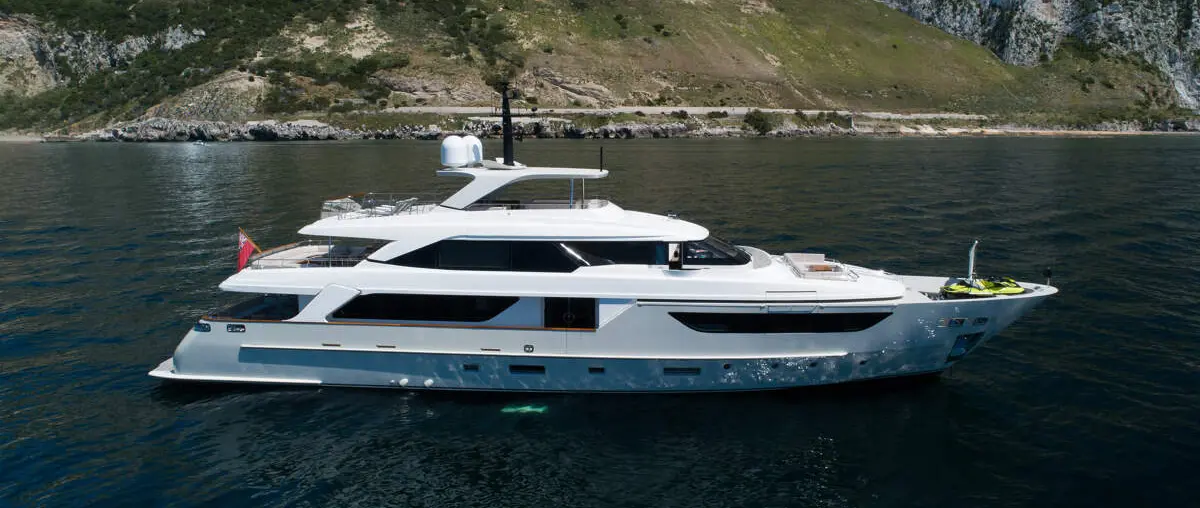
A semi-displacement Sanlorenzo enters the market
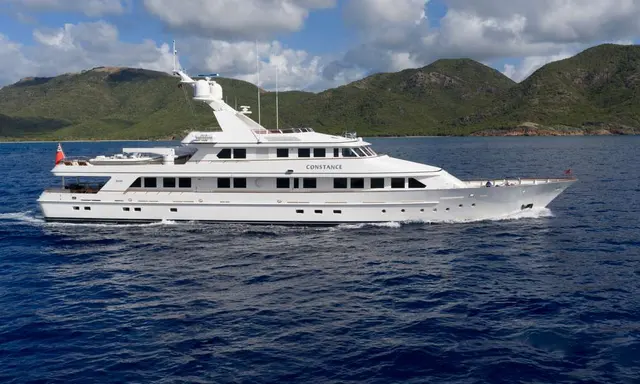
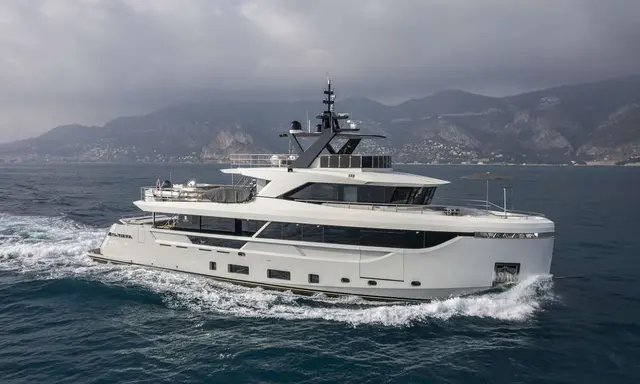
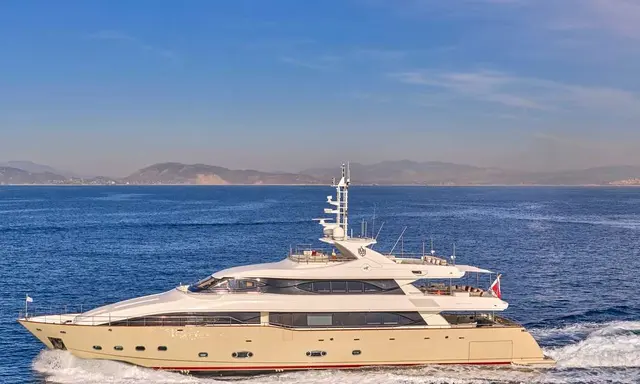
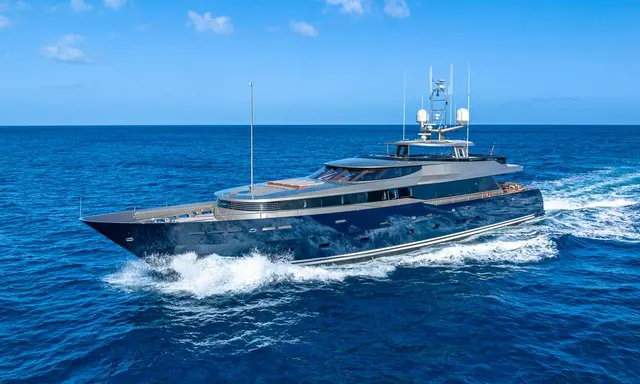
Fraser has announced that SUPERNOVA, a thirty-eight-metre Sanlorenzo SD126, has joined its sales fleet. The public announcement, issued on 14 October 2026, emphasises the yacht’s semi-displacement hull, 314 gross tons of enclosed volume and relatively modest engine hours. For a buyer considering a vessel of this scale, the central appeal is not a record-breaking top speed but a substantial amount of guest and service space within a manageable length.
The SD126 is a familiar type in Sanlorenzo’s family of larger motor yachts, built around measured cruising and broad accommodation rather than the lightest possible planing platform. SUPERNOVA’s exterior is credited to Francesco Paszkowski, whose design language gives the yacht a recognisable contemporary profile. The precise interior finish and equipment deserve an individual inspection, because production families can contain meaningful custom decisions from one hull to another.
Fraser says the main engines had 948 operating hours as of October 2026. The date qualifier is important: hours change whenever the yacht is moved or run, and the number alone is not evidence of mechanical condition. A buyer should examine service intervals, time spent at different loads and the independent survey results. Low hours without adequate maintenance can present different risks from higher hours supported by excellent documentation.
Understanding the importance of 314 gross tons
Gross tonnage is often misunderstood as a vessel’s weight, but it is a measure related to internal volume. In the case of SUPERNOVA, the broker’s 314GT figure indicates an accommodation envelope of a scale not immediately obvious from a thirty-eight-metre length. Owners should consider how that volume is distributed between saloons, guest rooms, crew accommodation, stores and machinery, rather than treating it as a simple measure of luxury.
A practical inspection would trace the route from the tender or boarding point through exterior decks into the main guest areas. Large windows and generous rooms can create excellent sea views, but circulation and shelter are crucial during real passages. Where a family spends days at anchor, the ability to move safely between shaded dining, enclosed spaces and waterside recreation becomes more important than the maximum number of formal reception areas.
Crew accommodation and service pathways should receive equal scrutiny. A yacht that looks spacious for guests may still have operational pinch points around galleys, laundry, stores or maintenance access. These issues become visible during an extended viewing or by walking through a typical day with the captain. The volume figure is a useful invitation to study the arrangement, not a substitute for detailed plans and practical observation.
Performance, systems and recent use
The semi-displacement arrangement is intended to balance cruising comfort and efficient movement, but the precise performance of SUPERNOVA should be assessed through current fuel-consumption figures and a sea trial. Engine hours alone do not define range or passage speed. Tank capacity, hull fouling, weather and equipment load all matter. A prospective owner should ask for logs showing real journeys rather than relying only on a performance table from the original build.
A careful review should examine generator hours separately from propulsion time. A yacht spending much of its life at anchor may show relatively low main-engine hours while hotel systems have worked extensively. Air conditioning, water-making and electrical distribution can therefore require significant attention. Confirm the age and maintenance record of stabilisers, pumps, navigation systems and tender equipment as well as the engines.
Sanlorenzo’s international support network may be relevant to a new owner, but maintenance still depends on the individual boat and cruising region. Technical access, spare parts and qualified contractors must be considered before moving a yacht to a remote area. Buyers should also verify the flag, registration, class and any commercial-use arrangements. A complete ownership budget includes much more than the purchase price and fuel.
A listing that needs informed comparison
Fraser’s sale announcement provides a credible starting point for SUPERNOVA’s status, but it does not amount to an independent condition report. Interested purchasers should request the broker’s latest specification, recent works and current positioning, followed by an appropriately scoped survey. This is especially important if the buyer intends to upgrade entertainment systems or adapt the vessel for charter, because changes can affect certification and equipment spaces.
A comparison with another thirty-eight-metre yacht should adjust for both internal volume and operating style. A faster yacht may have different fuel costs and less space, while a more heavily built displacement boat may offer a different passage character. The correct choice depends on the owner’s destinations and the extent to which the yacht will spend time underway rather than anchored. It is unhelpful to rank vessels solely by length or one engine-hour number.
SUPERNOVA’s latest sales status highlights the appeal of an established Sanlorenzo platform with significant accommodation volume. The stated 314GT and October engine-hour reading are valuable pieces of information, provided they are interpreted accurately. As with any brokerage yacht, the decision turns on the evidence gathered at inspection, the quality of records and the fit with the buyer’s intended life aboard.
Primary announcement: https://www.fraseryachts.com/en/news-detail/lsupernova-is-now-available-for-sale/. Details and availability are subject to current brokerage confirmation.