The emergency continued after the grounding
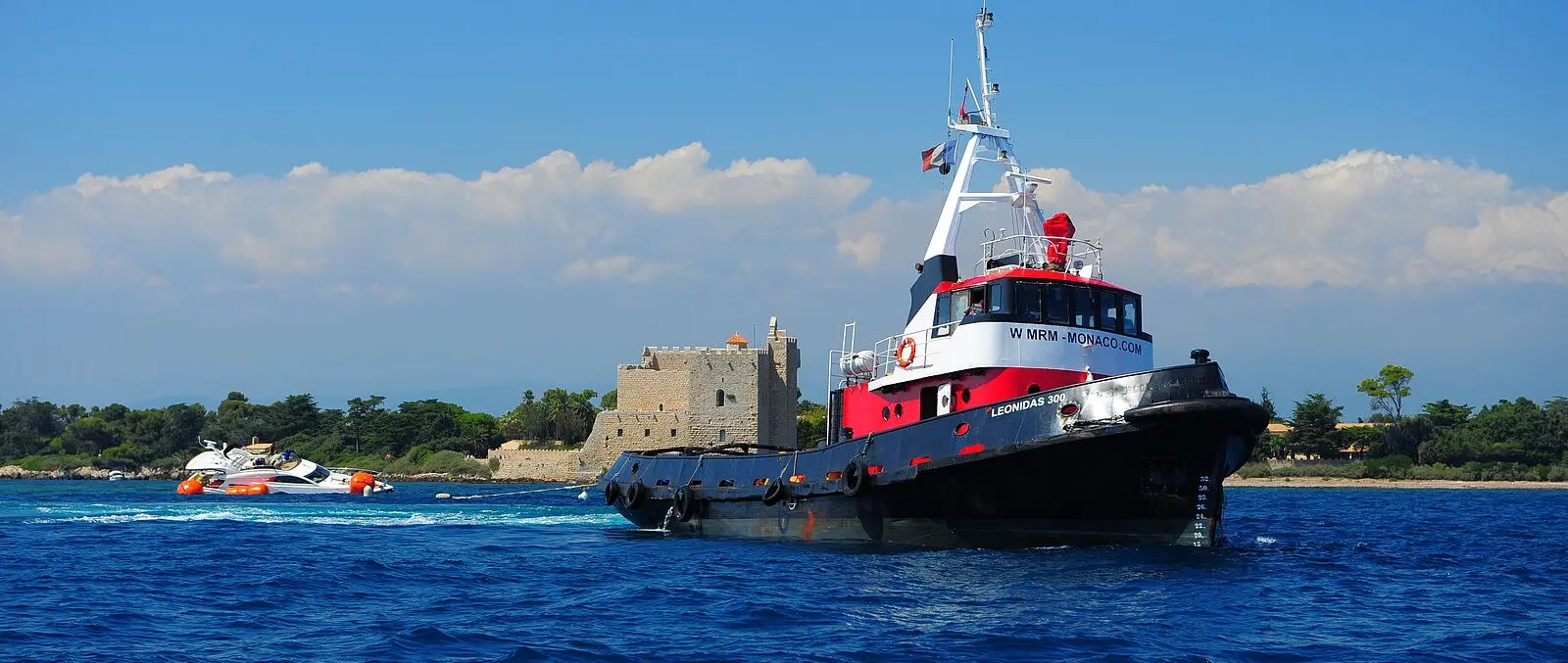
Unexpected salvage charges are an ownership risk across recreational vessels. Pantaenius uses a documented incident to explain why owners and skippers need to understand contract terms. Pantaenius has published a case study describing a yacht grounding that escalated from hull damage into loss of propulsion, electricity and bilge-pump capability. One crew member was injured, seawater contaminated the diesel tanks and the yacht ultimately required towing to a shipyard with a travel lift.
The account is useful because it separates the immediate rescue from the commercial negotiations that followed. Reaching a safe berth did not end the owner's exposure once a professional salvor had become involved.
A simple request created a commercial issue
During the response, the salvage team asked to see the yacht's insurance papers and the captain complied. Pantaenius warns that disclosing insured value can affect later salvage negotiations because vessel value can be one factor considered when calculating an award.
That advice is the insurer's interpretation of a real claims scenario rather than independent legal advice for every jurisdiction. Captains should follow applicable law and obtain professional guidance where a salvage agreement or disclosure requirement is unclear.
Salvage is not always ordinary towing
Pantaenius stresses that a professional salvor may seek an award reflecting the circumstances of a successful operation, rather than charging only a standard towing fee. In the published case, the insurer says it later negotiated the salvor's initial demand down to a substantially lower settlement.
This distinction matters to yacht managers because commercial decisions can be made under pressure while crew are still dealing with damage and safety concerns. Emergency procedures should therefore include clear insurer and legal contact information, not only technical-response checklists.
Preparation can reduce avoidable mistakes
The insurer recommends contacting the insurer or emergency-assistance provider once immediate danger to life is under control and seeking advice before agreeing commercial terms. It also cautions against volunteering insurance documents or insured value unless required, and points captains towards established salvage-contract frameworks where appropriate.
The primary source is a Pantaenius claims case and should be read in that context. Luxury Yacht Guide has linked the existing Pantaenius profile and presents the lessons as attributed operational guidance, not as universal legal instruction. The case illustrates a general risk rather than legal advice for any particular owner. Salvage arrangements depend on the circumstances and relevant jurisdiction, so an insured skipper should consult the insurer before agreeing terms where possible.