Barcelona adds an established power-catamaran option
The Leopard 46 Powercat is among the vessels listed for the 2026 Barcelona International Boat Show, placing a practical motor catamaran alongside a wide selection of monohull sports boats and sailing yachts. The Port Vell exhibition runs from 14 to 18 October, with the Leopard recorded in the event's in-water inventory.
The model was developed by Leopard Catamarans with naval architecture by Simonis Voogd Design and is built by Robertson and Caine in South Africa. It is an established yacht rather than a 2026 world premiere, and the significance of the Barcelona appearance is the opportunity for Spanish and European buyers to compare its layout and handling.
The official list records a length of 14.44 metres including a platform, while the builder quotes 14.13 metres for the basic hull. Both dimensions can be correct under different measuring conventions and should be checked against the yacht's certified papers when assessing marina charges.
A wide platform designed for family travel
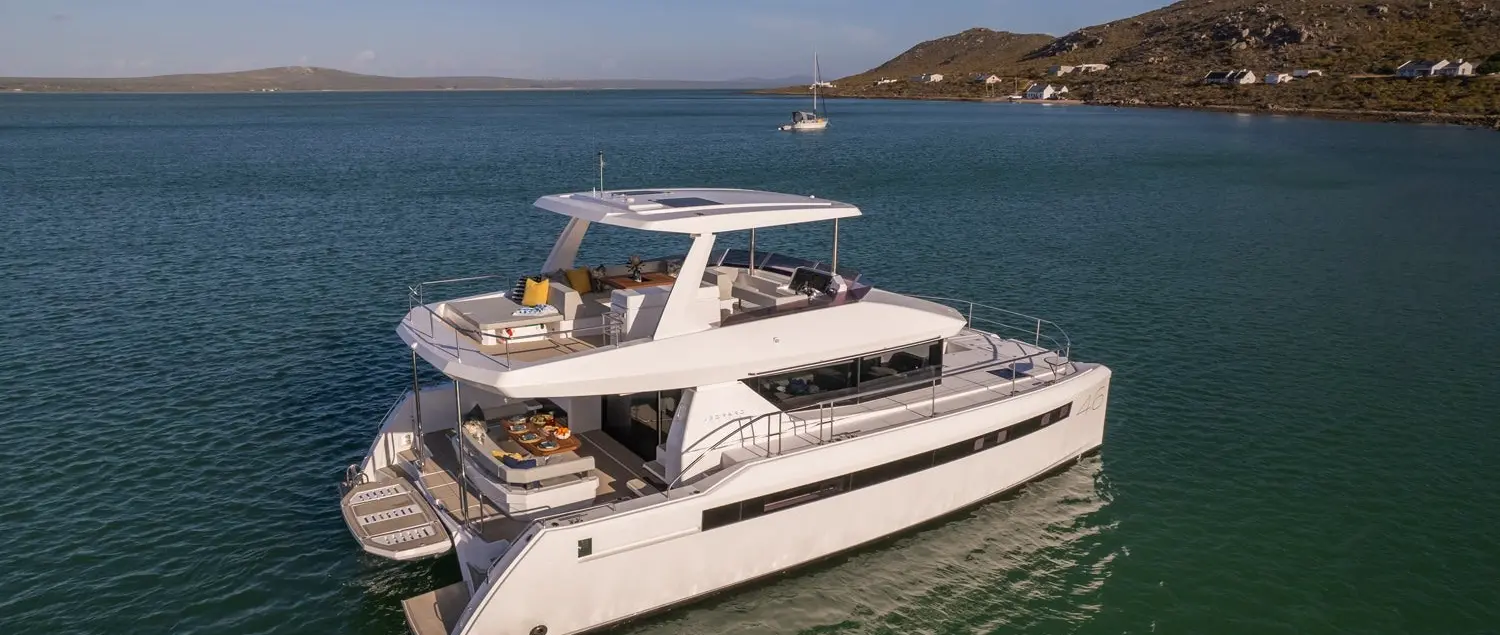
The 46 Powercat has a beam of approximately 7.34 metres, considerably greater than a monohull of similar overall length. That width creates distinct living areas, including a large main-deck saloon and outside cockpit, while two hulls provide cabin space separated from the busiest social areas.
The flybridge offers a second steering position and a lounge that can provide expansive views underway or at anchor. A second helm may suit owners cruising in warm conditions, though passengers need safe access and protection from wind and sun during longer passages.
Leopard offers three- and four-cabin arrangements, with the owner's version allowing a larger private suite and storage within one hull. Choosing between them depends on how often a family stays aboard and whether the yacht will be used primarily privately or for occasional guests.
Engine rooms are kept away from sleeping spaces
The standard published engines are twin Yanmar 250hp diesels, with options for 320hp or 370hp units. The hulls have dedicated engine rooms that can be reached from the aft deck, helping to keep service activity away from the principal living areas and simplifying some routine inspections.
The builder quotes a maximum speed of approximately 23.5 knots and cruising speed around 16 knots under stated conditions, but actual results vary with load and engine selection. A buyer comparing alternatives should seek consumption and range information at the speeds the family will actually use.
Fuel capacity is stated at approximately 1,800 litres and freshwater at 700 litres. These quantities are useful for longer trips, but the yacht's relatively large beam may limit berth choices in certain harbours even when its hull draft of about 0.94 metres permits access.
What to inspect in Barcelona
A visit to the Leopard should include a practical walk between the helm, galley, stern seating and cabins. The relationship between spaces often determines how comfortable a yacht feels during repeated days aboard more than its published floor area.
Prospective owners should also examine visibility from both helm positions, access to the engine compartments and arrangements for connecting shore power or handling lines at the dock. The choice of catamaran will affect haul-out arrangements, marina rates and repair facilities in some cruising regions.
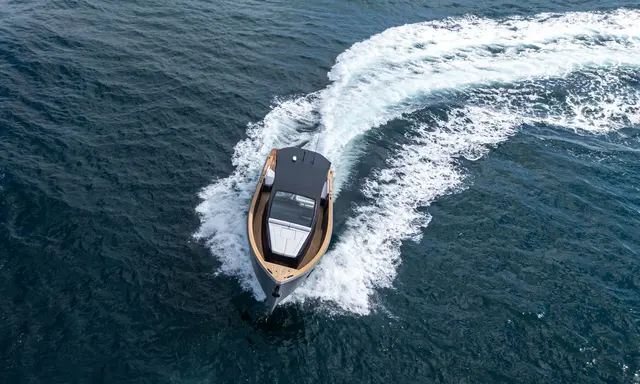
The accompanying image comes from Leopard Catamarans' own 46 Powercat material and depicts the actual model. Barcelona presents the chance for a hands-on comparison rather than evidence of a newly launched yacht or a fresh set of independently verified performance claims.