Efficiency sits at the centre of the Grand Banks proposition
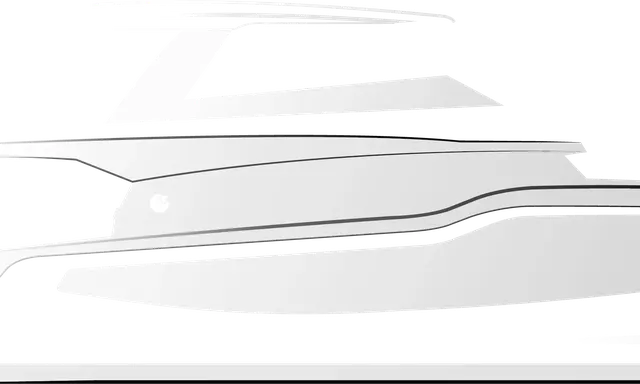
Grand Banks uses its V-WARP approach to combine hull design, lightweight composite structures and careful weight control. The company says the objective is to support higher cruising speeds without the fuel consumption normally associated with pushing a heavy displacement yacht faster.
For owners covering significant distances, efficiency affects more than operating cost. Longer range between fuel stops can expand itinerary options, reduce time spent alongside and make remote cruising more practical when suitable bunkering infrastructure is limited.
Composite construction is treated as a system rather than a material choice
The builder combines infused E-glass laminates with carbon-fibre structural components, bulkheads, decks and superstructures. Grand Banks presents this as a coordinated construction method intended to reduce unnecessary weight while preserving stiffness and durability.
Weight reduction can improve several parts of the ownership experience at once. The yacht may require less power, respond more predictably in a seaway and carry useful stores or equipment without eroding performance as quickly as a heavier platform.
The range targets owners who want passage-making at speed
Grand Banks has built its modern identity around long-range motor yachts that can cruise faster than traditional displacement trawlers. The idea is to let owners cover meaningful distance when needed without giving up the economy and seaworthiness expected from a passage-making yacht.
This can be particularly attractive in Europe, where a summer itinerary may combine long open-water legs with short hops between marinas. Owners can choose a faster passage when weather or schedule demands it, then settle into economical cruising for less time-sensitive sections.
Genoa gives the brand direct access to Mediterranean buyers
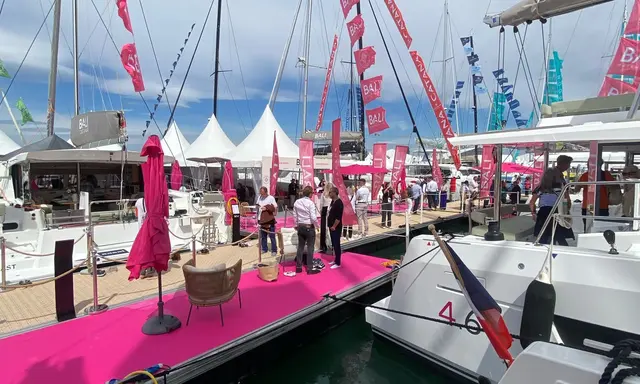
The show runs from 1 to 6 October and places Grand Banks among a broad mix of European production-yacht builders. Prospective owners can compare the company’s efficiency-led approach directly with faster planing yachts and more conventional cruising designs.
That comparison is useful because long-range claims can mean very different things across brands. Buyers should examine fuel capacity, realistic cruising speeds, machinery access and onboard storage together rather than judging a passage-making yacht by a single quoted range figure.
Official sources: www.grandbanks.com.