Four Seasons sets out its next travel map
Four Seasons has outlined an extensive programme of anticipated hotel, resort and residential openings for 2027 and beyond, using its 20 October travel preview to connect new destinations with a wider collection of renovated landmarks. The places named range from Belize and Zanzibar to Okinawa, the Dominican Republic and historic European cities. For travellers who plan premium holidays well ahead, the useful news is not a single ribbon-cutting date but the range of experiences the company intends to bring into its portfolio.
The announcement must be read carefully. Several of the properties are future openings, while others are already operating or have recently been refurbished. Neither category should be confused with a confirmed room reservation at a project that has not yet opened. The company positions its pipeline as a guide for 2027 trip planning, and discerning guests should check individual hotel opening dates, available services and local travel advice before making commitments.
Beach destinations from Belize to Zanzibar
Among the anticipated openings is Four Seasons Resort and Residences Caye Chapel, Belize, an island development that the group says will combine overwater accommodation with a golf course designed by Greg Norman and a conservation institute led by Fabien Cousteau. That mixture of leisure and environmental programming offers a distinctive proposition, but exact activities and facilities will need to be confirmed as the project approaches opening. The company's October preview treats Caye Chapel as part of its future pipeline, not as an established resort that can be booked immediately.
In East Africa, Four Seasons Resort Zanzibar is planned as a 126-acre beachfront property, extending the brand's presence in Tanzania alongside its existing safari offering. A separate project on Playa Esmeralda in the Dominican Republic, Four Seasons Resort and Residences Dominican Republic at Tropicalia, is described as a sustainable luxury beach retreat with tropical modernist architecture by Isay Weinfeld. For potential guests, these are quite different journeys: an Indian Ocean island stay, a Caribbean private-island environment and a larger beachfront destination linked to the landscape of Samaná Bay.
Okinawa and the changing shape of resort design
In Japan, the planned Four Seasons Resort and Residences Okinawa marks a significant expansion into resort hospitality. Four Seasons says the 100-acre coastal scheme will be designed with the involvement of Kengo Kuma and Kuniken, drawing on Okinawa's landscapes and cultural identity. The project is particularly interesting to travellers who have associated the brand's Japanese presence with major cities and traditional cultural centres. A coastal Okinawa stay offers a different base for exploring the country's southern island chain.
Architecture and cultural positioning are promises that will need to be tested against the finished guest experience. The involvement of established design practices indicates ambition, but it does not by itself establish the environmental footprint of the project or the quality of future service. A well-prepared traveller should look for confirmed opening information, transport arrangements and the actual range of cultural or nature-focused programmes before choosing dates.
Historic European addresses return
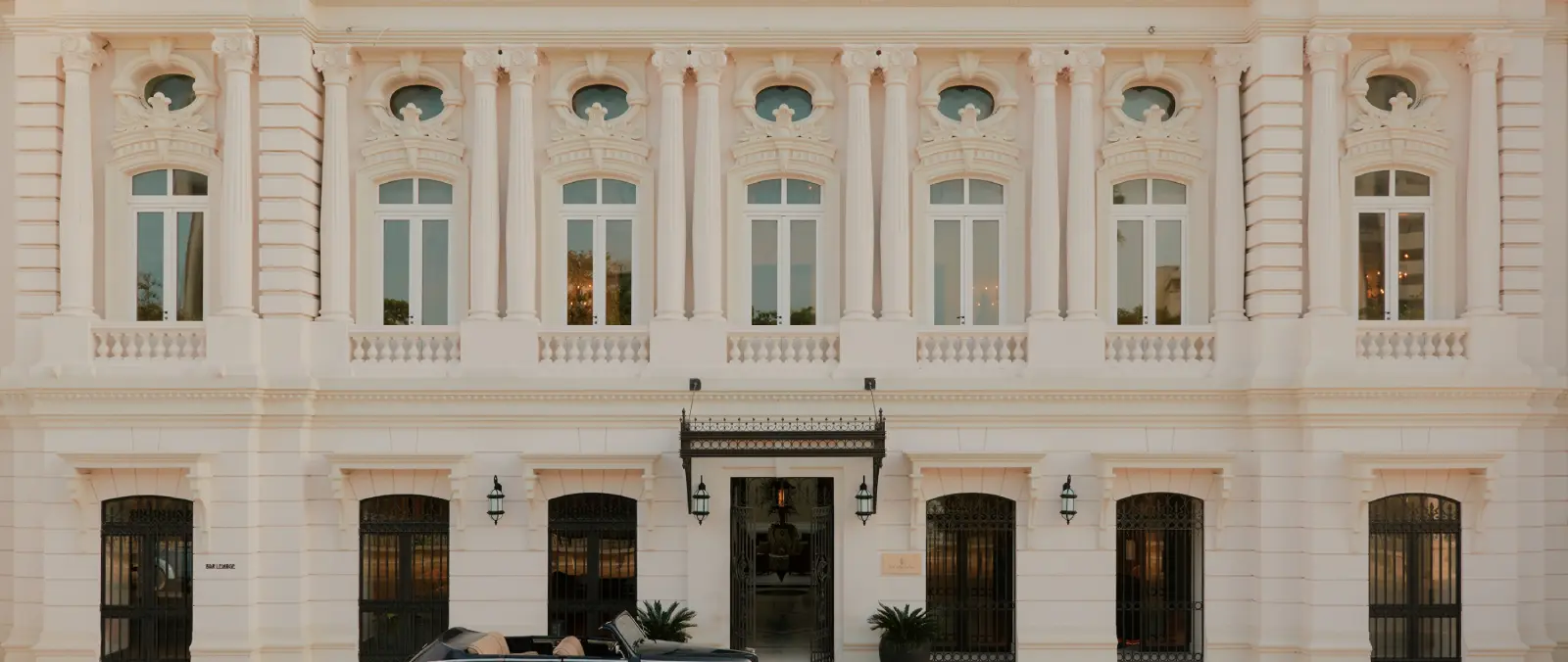
The group's 2027 outlook also includes significant transformations of existing landmarks. The Park Gstaad, A Four Seasons Hotel is expected to return after an extensive project led by Joseph Dirand, connecting a celebrated Swiss Alpine address dating from 1910 with a more contemporary hospitality programme. In Berlin, the former Hotel de Rome is set to become Four Seasons Hotel Berlin, an architectural conversion within a nineteenth-century building originally associated with Dresdner Bank.
These projects are distinct from brand-new beachfront developments because their appeal rests partly on established architectural heritage. A transformation can create an elegant new experience while also changing what regular visitors remember about a hotel. The company has highlighted design, dining and social spaces, but travellers should await finished-room photography and definitive opening details before judging the result. Historic context is a strength only when carefully integrated into modern comfort.
The Americas expand beyond classic resorts
Four Seasons Hotel and Residences Jacksonville is planned for the redeveloped shipyards on the St Johns River, introducing a new waterfront hotel and residential address in Florida. The company describes dining spaces, a rooftop venue and resort-style amenities against a riverfront setting. The project illustrates a broader trend in premium hospitality: a hotel can be part of a substantial mixed-use urban district rather than a self-contained resort isolated from the city around it.
Other properties in the outlook include the return of Four Seasons Resort The Biltmore Santa Barbara and a series of residential developments in the United States. These are different types of propositions for different audiences. A returning California coastal landmark will appeal to guests familiar with its previous identity, while a new urban waterfront property is likely to attract travellers who want cultural, business and leisure activities combined. The opening and operating arrangements for each need separate verification.
Egypt and the Red Sea add new options
In Egypt, Four Seasons has identified a planned hotel in Luxor, a destination with an extraordinary concentration of historical sites, along with a hotel and private-residences scheme in Cairo's Madinaty district. Saudi Arabian plans include Four Seasons Hotel Madinah and a waterfront project on the Jeddah Corniche. Together these announcements show the group widening its geography across destinations with very different traditions, visitor expectations and reasons to travel.
Guests considering these properties should distinguish a heritage-focused journey to Luxor from a city stay in Jeddah or Cairo. Cultural guidance, transport logistics, local customs and the practical realities of heat or seasonal demand will shape the experience as much as the hotel itself. Four Seasons is also presenting newer Red Sea hospitality developments and wellness-led coastal resorts as part of its broader growth, but a travel itinerary should depend on current operating status rather than a general announcement.
2026 openings create a bridge to 2027
The October company preview also looks backward to openings and transformations already part of the 2026 portfolio. It highlights Four Seasons Hotel and Residences Cartagena in restored heritage buildings, a beachfront property in Mykonos and the transition of the historic Danieli in Venice into the Four Seasons collection. Those destinations give travellers tangible, near-term alternatives while they wait for the future hotels to become ready.
For guests deciding between a new address and an established landmark, the distinction is useful. A 2026 property may have a developing range of services and newly opened restaurants, whereas a hotel returning after a major renovation may provide a different experience from an older review. It is wise to verify which facilities are operational during the planned stay. A press preview is a source of leads, but careful trip planning still calls for current property-level information.
Journeys by yacht and private aircraft
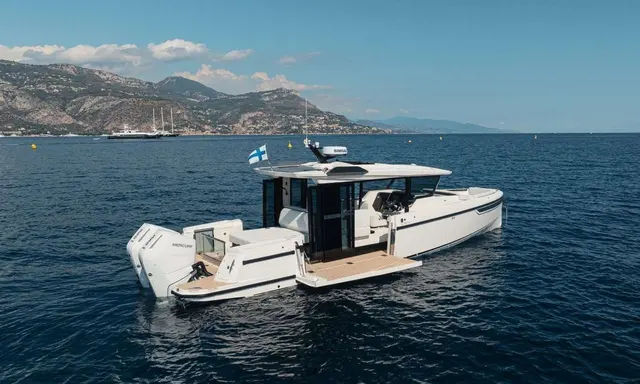
Four Seasons is extending the travel picture beyond fixed hotels. The company says its 2027 yacht programme will expand itineraries in the Mediterranean and Caribbean, including Egypt and Costa Rica, with select voyages offering a chef-in-residence experience. This offers a different kind of luxury journey from a stay in a resort: guests move between coastal destinations while using the vessel as a continuous base. The company also lists private jet itineraries under named programmes spanning several continents.
Such itineraries require a different approach to comparison. Travellers should look at actual departure dates, the ports and experiences included, cabin categories, access arrangements and terms if a destination changes. The yacht and air programmes create connections across the brand, but they should not be confused with independent private-yacht charters or individually tailored aviation services. The detail of what is included matters more than the shared Four Seasons name.
A pipeline to watch, not a booking guarantee
The scale of the 2027 outlook makes it tempting to treat every named location as an imminent opening. In reality, the announcement groups properties at varying stages, from operating hotels to anticipated developments beyond 2027. Some design concepts and amenity descriptions may evolve before the first guests arrive. Luxury travellers, advisors and charter concierge teams should therefore verify milestones individually and avoid building non-refundable journeys around an unconfirmed project date.
What emerges is a clear view of the directions Four Seasons is pursuing: historic architecture, islands and coastlines, large-format residences, wellness travel and itineraries that connect multiple destinations. The opportunities are genuinely interesting, especially for travellers who enjoy combining a private voyage with a stay ashore. The sensible next step is to follow official property updates, assess the finished offering and make decisions on confirmed facts. Thoughtful planning, rather than the longest list of openings, will make the strongest luxury itinerary.