Dufour is turning part of its yacht-development process into a public design session on 25 September, with naval architect Umberto Felci discussing the choices behind the current range. The online Nautic Days episode looks at how hull shape, volume, sail plans and steering arrangements are balanced before a new yacht reaches production.
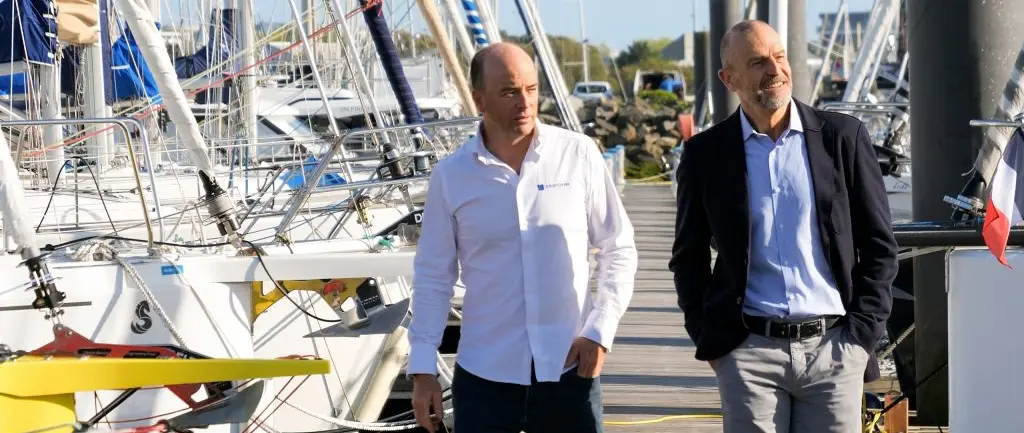
A 25-year design relationship
Felci has worked with Dufour for more than 25 years, giving the session a longer historical perspective than a normal new-model presentation. That continuity allows the discussion to compare how owner expectations, modelling tools and performance targets have changed while the builder has expanded its cruising range.
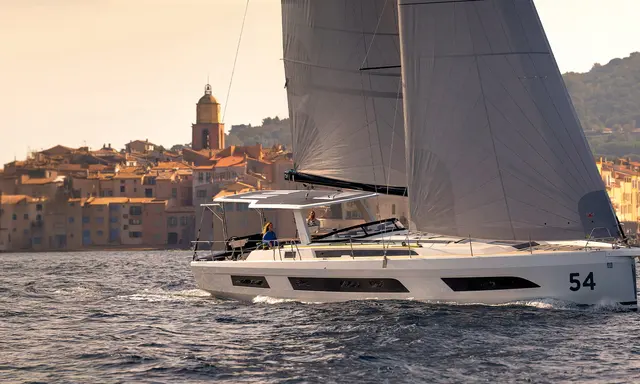
The current LYG-size Dufour line includes models from the 12.00-metre Dufour 39 through the 16.84-metre Dufour 54. Although each model addresses a different part of the market, the builder uses a common design philosophy intended to combine usable interior volume with sailing performance and simple handling.
Hull lines, volume and CFD
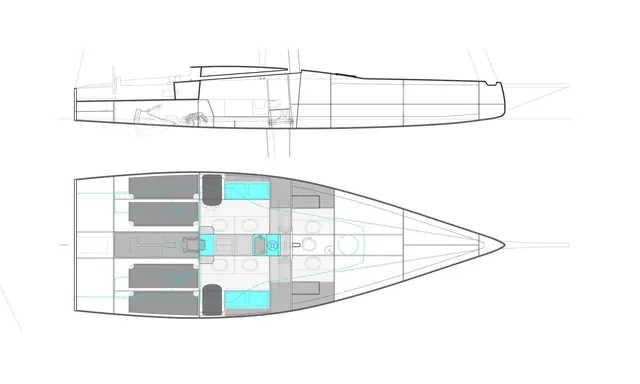
One part of the webcast focuses on hull architecture and the trade-offs created when designers add more internal volume. A fuller hull can produce valuable living space, but the underwater shape still has to control drag, balance and behaviour across a wide range of sailing conditions.
Computational fluid dynamics has become an important part of that process because designers can study flow and compare alternatives before committing to tooling. Dufour is also highlighting sea trials, making the point that simulation remains a development tool rather than a replacement for validating a yacht on the water.
Sail plans and rudder choices
The session also covers sail-plan design and rudder configuration, two areas that strongly affect how approachable a production cruiser feels to its owner. Dufour’s recent yachts are expected to work for short-handed crews, so performance gains have to be balanced against manageable loads and predictable handling.
That requirement influences more than the size of individual sails because deck layout, control positions and steering response all shape the experience of the yacht. The design challenge is therefore to create enough power for enjoyable sailing without making routine manoeuvres unnecessarily complex.
Design content as part of the ownership journey
Dufour’s decision to make the session public gives prospective buyers more context than a specification sheet can provide. Understanding why a hull, keel or rig was chosen can help owners compare models on intended use rather than simply ranking them by length, cabin count or quoted speed.
The webcast begins at 12:00 CEST on 25 September and is available online, with Dufour saying a replay will remain accessible for a limited period. Registration is handled through the builder’s Nautic Days programme rather than through a physical boat-show stand.
For LYG readers, the useful point is that design decisions normally hidden behind a finished production yacht are being explained by the architect responsible for them. That makes the session relevant not only to Dufour owners but also to anyone comparing modern cruising yachts and trying to understand the engineering behind their increasingly spacious interiors.