Nominations open for the 2027 award
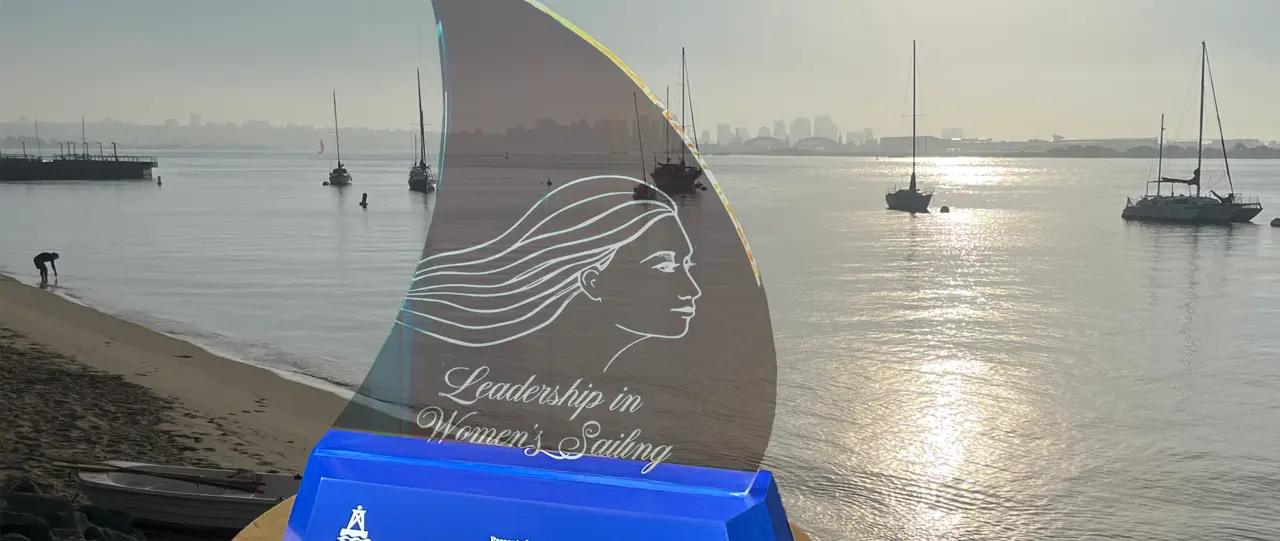
The National Women's Sailing Association and BoatUS have opened nominations for the 2027 Leadership in Women's Sailing Award, which honours individuals who have helped women learn, develop and remain active in the sport. BoatUS announced the new nomination period on 16 October 2026. The deadline is 1 February 2027, giving sailing organisations, clubs and individuals time to put forward someone whose contribution extends beyond a single competition or season.
The annual recognition has been co-sponsored by the two organisations since 1999. It is intended for an individual in the United States with a substantial record of inspiring, educating and enriching women's experience of sailing. The award is not restricted to someone who has won a prominent race; instruction, writing, mentoring, club leadership and professional maritime work have all featured among past recipients.
An award that looks beyond race results
The purpose of the programme is to recognise long-term contributions that create opportunities for other sailors. That may mean teaching someone to handle a boat independently, organising training programmes, developing confidence offshore or helping people find a welcoming sailing community. These achievements often take many years to build and may receive less public attention than a championship result.
NWSA's stated mission involves education, opportunities and community for women of different ages. The award's selection therefore concerns the effect an individual has had on other people rather than equipment, a new model or a commercial product. Applicants and nominators should focus on demonstrable experience and sustained participation instead of assuming that publicity or a single notable achievement will determine the result.
The deadline and the Boston announcement
Nominations are being accepted through the NWSA website until 1 February 2027. The recipient is scheduled to be announced during the association's June 2027 Women's Sailing Conference in Boston, Massachusetts. These are future steps in the selection process: the October announcement starts the search, and no winner for 2027 has yet been identified in the published statement.
The official association website supplies the nomination route and programme details, while questions can be directed to its leadership contact. Anyone preparing a submission should read the published eligibility instructions carefully, including the evidence required to describe the nominee's work. A supportive personal statement may be useful, but dates, roles and examples of teaching or organisational impact can make a nomination easier to assess.
Karen Prioleau was the 2026 recipient
The announcement highlights Karen Prioleau, who received the 2026 award for her work educating sailors and encouraging women's involvement in maritime training. Prioleau spent more than two decades at Orange Coast College, including service aboard the training vessel Alaska Eagle. The foundation says the proportion of female students in her classes grew from zero to forty percent over her teaching career.
Her work also includes US Sailing Safety at Sea programmes and instruction for ocean cruising and racing organisations. That background illustrates the type of practical, sustained service the award is designed to recognise. Prioleau is the previous winner mentioned in the 2027 call for nominations, not a candidate newly selected for the 2027 prize.
Mentoring matters on the water
Learning to sail involves more than understanding how to raise a sail or steer a compass course. New participants need opportunities to practise judgement, work safely with others and build confidence in changing conditions. Patient instruction and constructive feedback can help a beginner progress towards independent decisions, whether in a dinghy, keelboat or offshore yacht.
Mentors can also provide access to networks that are difficult for newcomers to enter. They may introduce sailors to clubs, race crews, cruising passages and formal qualifications. The organisations behind the award say they want to acknowledge people who sustain this kind of opportunity, while recognising that learning and participation look different across local community programmes and established offshore teams.
A programme with roots in the 1990s
The National Women's Sailing Association was founded in 1990 by sailor Doris Colgate and operates as a programme of the nonprofit Women's Sailing Foundation. It supports educational activities, scholarships and events designed to help women join or develop within sailing. Its annual leadership award, established nine years later, has become one way of drawing attention to contributions across that wider community.
BoatUS is a boating advocacy, safety and services organisation that has partnered with NWSA for more than a quarter of a century. The association says the relationship reflects a commitment to recognising leadership, mentorship, competition and service. Such recognition can direct attention towards programmes that do not always receive the visibility of high-profile professional sailing events.
Education and community remain central
Beyond the award, NWSA supports initiatives such as AdventureSail for girls, youth training scholarships and conference assistance. The organisation describes sailing as a way to learn leadership, teamwork, technical knowledge and personal responsibility. Some programmes are aimed at newcomers, while others support people who want to progress into more demanding courses or professional marine activities.
A single prize cannot by itself remove every barrier to participation, and the nomination process should not be confused with funding for all these programmes. Its value is in making examples of effective work visible and encouraging clubs and organisations to recognise long-serving contributors. The official resources provide separate routes for those who want to nominate someone, join an activity or support the association.
What sailing organisations can do now
Local clubs, training centres, race organisers and yacht crews can use the new call to consider who has made a sustained difference to women in their sailing community. Strong examples may include a long-running teaching programme, practical support for aspiring offshore sailors or the development of routes into competitive and recreational boating. The award deliberately considers many forms of contribution.
The immediate action is to review the nomination requirements and prepare a submission before 1 February. The selected individual will be identified at the June 2027 conference, and the published announcement makes no claim about the eventual outcome. For the marine industry, the nomination window is a reminder that committed instructors and mentors are an essential part of bringing the next generation onto the water.